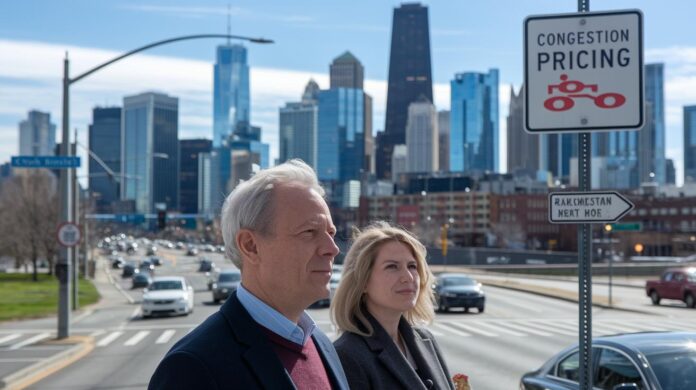

New tolls during rush hour have sparked a lively debate in the city. Some locals believe charging drivers will clear traffic and help upgrade bus and subway rides. Others worry that extra fees might hurt families and small businesses without fixing the bigger transit issues.
I lean toward cautious support. If the benefits are clear and fair, this plan could lead to smoother commutes for many New Yorkers.
Congestion Pricing’s Impact: Good or Bad for New Yorkers?
New York City's congestion pricing plan has sparked a big debate. Many locals back the idea, saying it could ease heavy traffic and help pay for better bus and subway services. They believe that charging drivers on busy roads is fair and can lead to cleaner air.
Others worry the toll will put extra pressure on working families and small businesses. They argue that without fixing deeper transit funding problems, this charge might take resources away from drivers without truly solving the MTA's budget issues.
This debate touches on broader issues of trust and past challenges with city policies. Some say that if the toll system is well managed, it could transform daily commutes. Others fear that it might add to everyday hardships.
| Support | Critics |
|---|---|
| Reduces traffic and funds transit upgrades | May hurt low-income drivers without solving transit funding issues |
I lean toward cautious support. The plan could work, but only if the city shows clear, real benefits for everyone.
Congestion Pricing and Traffic Management in NYC
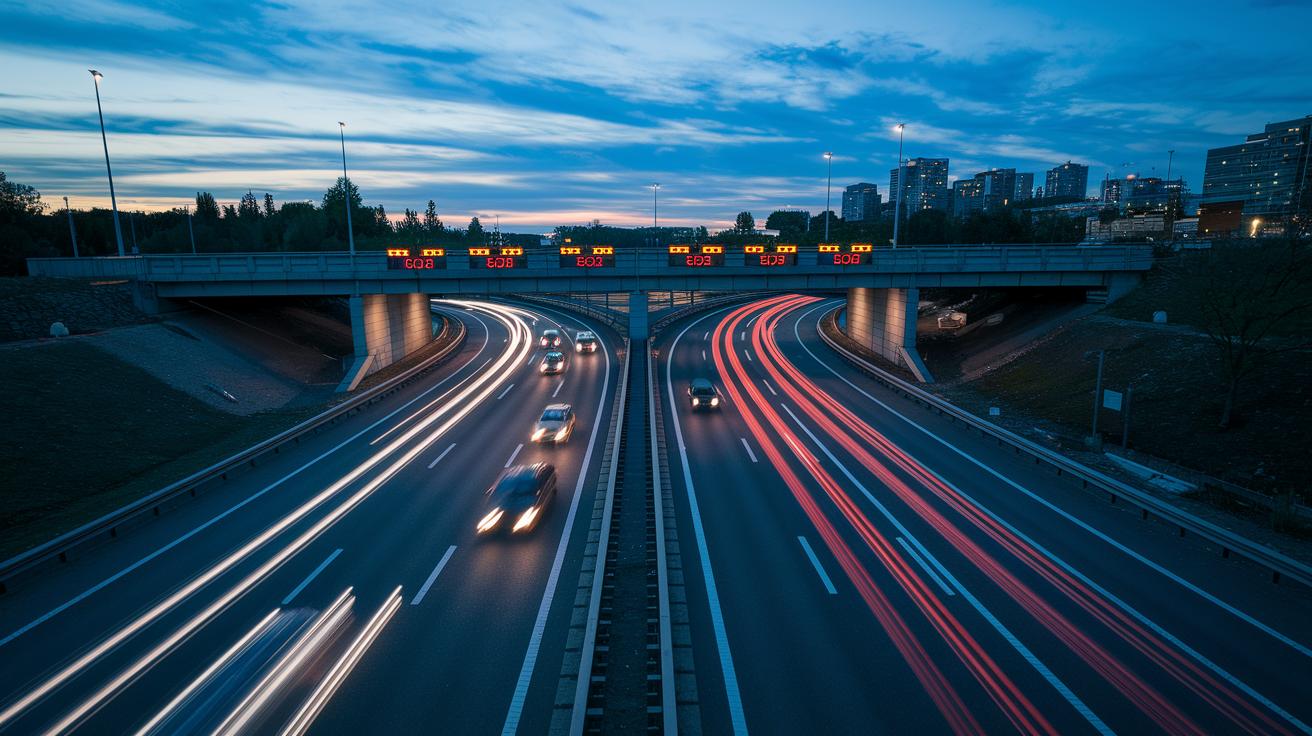
Northern Virginia drivers know the drill: toll lanes change their fee with the time of day. In busy hours, drivers pay more, and in quieter moments, they pay less. Locals like this plan because it eases heavy traffic and cuts down on jams. Many commuters say their trips feel more predictable now.
Right here in NYC, a $9 toll pilot is testing a similar idea. The plan charges a premium fee during rush hour to lessen the number of cars on the road. Early data shows this method is easing gridlock. City officials are studying the numbers to see how the fee changes driver habits. They also say the toll revenue can help improve transit without slowing down the roads, a lesson learned from Northern Virginia.
Initial figures from the pilot show fewer cars during peak times, which makes traffic flow smoother and cuts wait times at busy intersections. These changes suggest that adjusting tolls based on demand could be a smart way to manage NYC traffic when the system is fine-tuned. Officials are now looking at more tweaks to better serve local commuters.
Congestion Pricing’s Economic Impact on NYC Residents
NYC’s congestion pricing plan now has a clear strategy for spending its toll revenue. About 25% of the money will go toward upgrading transit and funding green projects. Local reports also show that outer-borough neighborhoods may get special programs to help with higher operating costs. This includes efforts to support small businesses and ease the burden on commercial drivers.
Studies in places like Brooklyn and the Bronx show different impacts. While riders in Manhattan might enjoy more frequent subway service, extra fees elsewhere could hit daily budgets harder if local support isn’t strong enough.
• Transit riders might see better bus and subway schedules.
• Green projects aim to cut local pollution.
• Outer-borough commuters could benefit from service upgrades.
• Local small businesses may get help with rising delivery costs.
• Commercial drivers might face higher tolls without relief.
• Occasional drivers could notice smoother traffic if funds boost road management.
Officials are still fine-tuning the plan. They say that targeted local support could ease these challenges for those most affected.
Congestion Pricing and Transit Access for New Yorkers
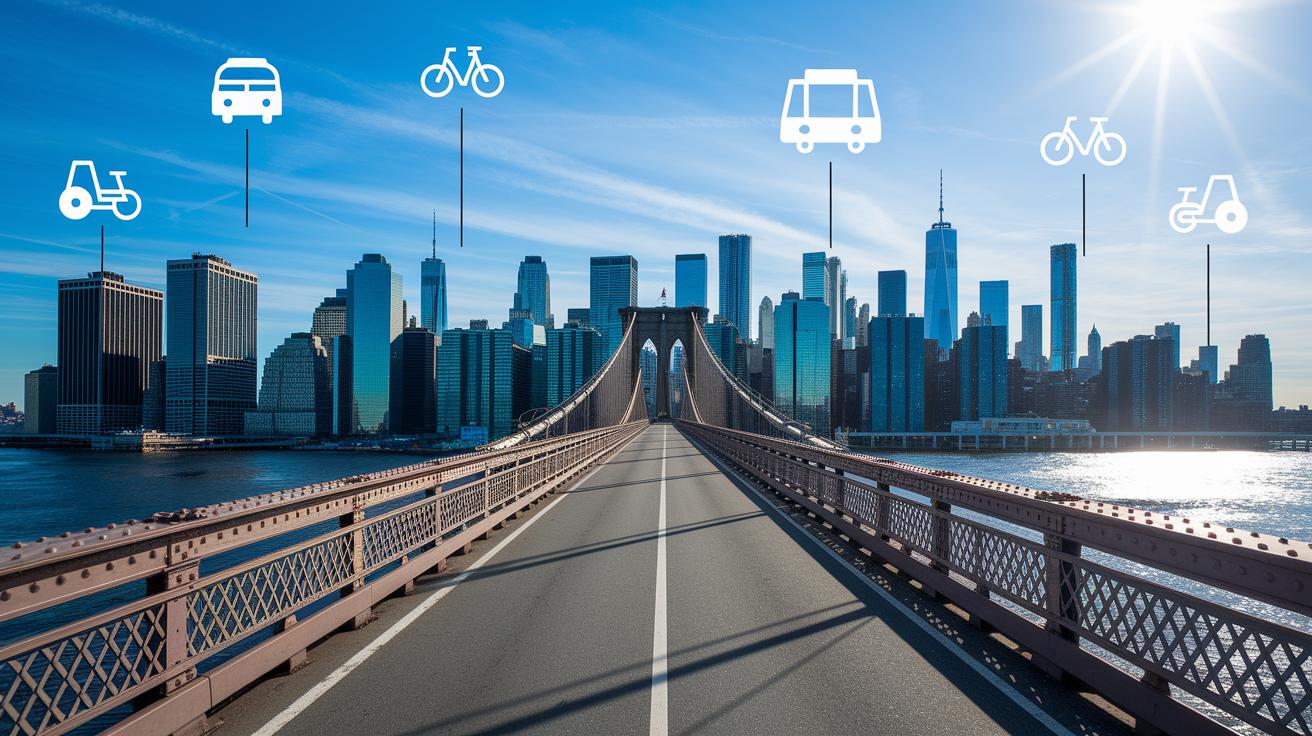
Many New Yorkers are keeping a close eye on how toll money is put to work in our city. They expect this cash to be spent on making buses, subways, and short trip connections a lot better for our daily rides.
City leaders have a plan. They want to add bus routes, update older subway cars, and make it safer to use bikes and scooters. They are also introducing the Metro Mobility Application, a tool that gives real-time updates and easier route planning. This means smoother commutes and a more connected community.
Still, some residents worry. They say that without clear checks and regular reviews, the funds might not hit the mark. They ask for strict oversight to ensure every dollar goes toward real improvements that matter on our streets.
Governance and Public Trust in NYC Congestion Pricing Implementation
New York has been stuck in a gridlock for years, with different sides blocking strong moves. Now, with leaders working together, the city is moving forward with congestion pricing. City officials are fixing past mistakes in how transit was managed and learning from earlier errors. The new toll plans have started talks on how to balance travel needs with the city's budget, especially after times of broken promises in city planning.
Residents feel this history too. Many New Yorkers remember when failed policies made them doubt city promises. One Long Islander noted that past errors still affect new ideas. Across the city, people are calling for clear and honest oversight to rebuild trust in a system that has let them down before. This shows why restoring public confidence is just as key as refining the toll system.
Alternative Pricing Models Compared to NYC Congestion Pricing
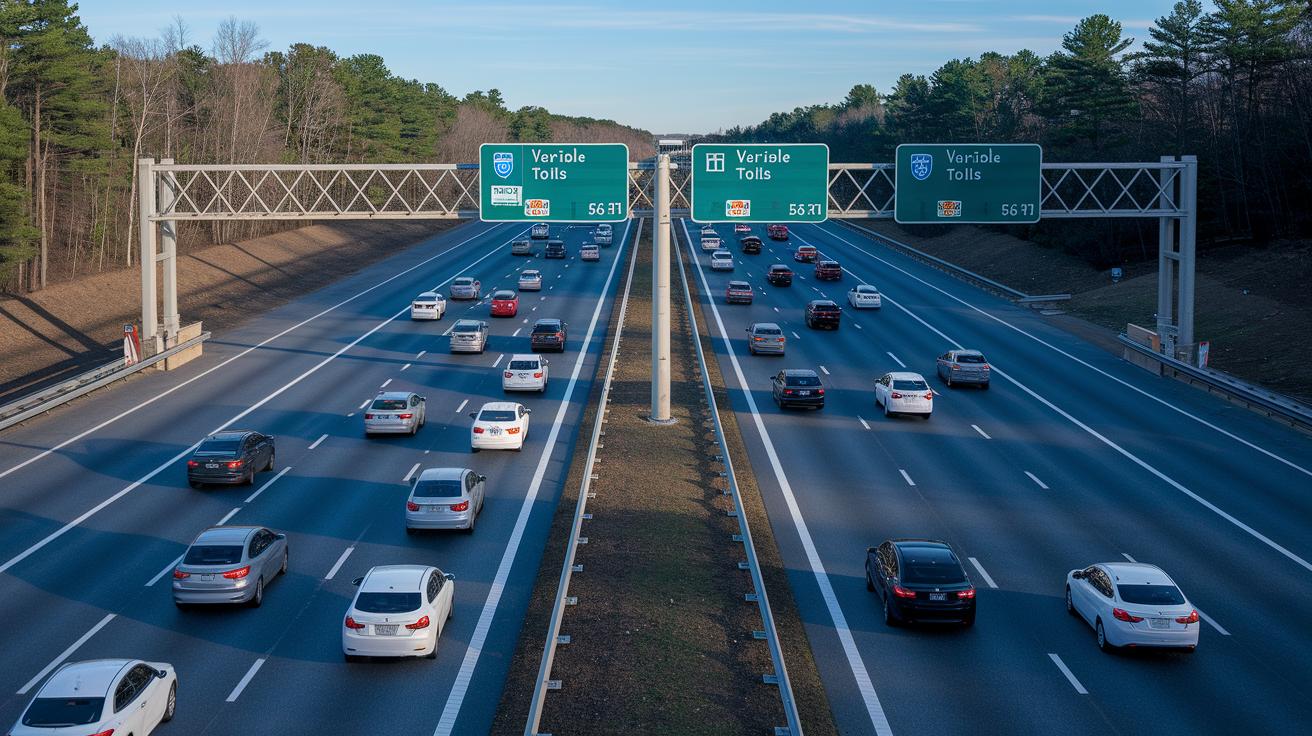
In Northern Virginia, express lanes adjust tolls on busy routes during rush hours. They charge more when traffic is heavy and less when it's slow. Local drivers see this as fair because it eases delays and helps fund transit fixes.
London and Singapore use similar ideas. In London, drivers are charged when they enter downtown, and in Singapore, fees change based on real-time traffic in different zones. Both plans aim to keep traffic moving and boost transit funds.
NYC could learn from these examples. A flexible toll system might gain public backing and steady revenue if it stays simple to run. The goal is to reduce congestion while paying for needed transit upgrades. These examples may guide better policies for the city.
Final Words
In the action, we tracked how congestion pricing shapes traffic flow, driver costs, and transit improvements in New York. We highlighted key points: increased funding for transit upgrades, concerns over added expenses for some drivers, lessons from other cities, and the need for clear accountability in revenue use.
We also weighed opinions on is NYC congestion pricing good for New Yorkers. The discussion leaves room for positive change as policymakers adjust and refine the plan for a fairer, smoother city.
FAQ
What do New Yorkers think of congestion pricing?
The question shows that many New Yorkers hold mixed views on congestion pricing. Some value the potential for smoother traffic and better transit funding, while others worry about cost burdens affecting their daily commutes.
How popular is congestion pricing in NYC?
The question points out that congestion pricing remains a hot topic in NYC. Surveys and polls indicate split opinions, with a portion of residents supporting it and others opposing due to potential financial impacts.
Who benefits from congestion pricing?
The question clarifies that congestion pricing mainly benefits public transit users and the environment. The generated revenue can fund subway and bus improvements, helping reduce traffic and improve overall mobility in the city.
What are the pros of congestion pricing in NYC?
The question explains that supporters highlight reduced traffic congestion, increased transit funding, improved safety, and better avenues for investment in public transportation as key advantages of congestion pricing.
Does congestion pricing affect Manhattan residents?
The question indicates that congestion pricing specifically targets busy areas like Manhattan. While it may result in higher costs for drivers, the policy aims to lower overall congestion and enhance transit services for everyone.
What is the latest update on congestion pricing in NYC?
The question reveals that ongoing updates include recent surveys and polls, adjustments in policy proposals, and discussions about a potential implementation timeline around 2026, reflecting a dynamic and evolving debate.