

Ever wonder if buying a home in New York City is only for the super rich? It may seem risky with million-dollar price tags, but a smart plan can turn risk into reward.
What to do:
First, set a budget that fits your wallet. Next, get pre-approved for a mortgage. Then, find a local agent who knows your neighborhood inside and out.
With choices from condos to townhomes, these steps help you compete in a busy market. Follow them and you could soon own your own piece of the city.
How to Buy NYC Real Estate: A Step-by-Step NYC Property Purchase Guide
Start by mapping out your buying process. Figure out your budget, pick a local agent who really knows the neighborhood, and get pre-approved for your loan. Look at all kinds of properties, condos, co-ops, townhomes, and commercial spaces scattered throughout NYC. For example, you might see listings like 35 E 62nd Street priced at $60 M, 12-14 E 64th Street at $48.6 M, and 10 E 67th Street at $36 M. There are also off-market gems like Brooklyn Point and Quay Tower that give buyers a unique edge.
NYC real estate comes in many shapes and sizes. A co-op needs board approval and may have extra fees like a flip tax. Condos are more like owning traditional property but with monthly fees that vary by square footage. Townhomes offer extra space and privacy, while commercial spots have their own set of rules for leasing or buying, tailored to business needs.
Here are some essential steps to keep in mind:
- Get pre-approved for your mortgage so you know your price range.
- Meet with a local agent to tap into neighborhood insights.
- Check several boroughs to find the best property for your needs.
- Plan your offer carefully to handle competitive bidding.
- Be ready for closing steps such as gathering documents and setting a settlement date.
| Step | What to Do |
|---|---|
| 1 | Pre-approval for a mortgage so you know your limits |
| 2 | Consult with an agent for local tips |
| 3 | Explore different boroughs for the best property matches |
| 4 | Develop a strategy for making a competitive offer |
| 5 | Prepare for closing with all the needed paperwork |
Closing a deal in New York City usually takes 60 to 90 days. Plan ahead for contract negotiations, document reviews, and, for co-ops, board meetings. With a clear, step-by-step plan, from setting your budget to finalizing the purchase, you’ll be ready to secure the property that fits your needs in the Big Apple.
NYC Neighborhood Buyer’s Guide: Manhattan, Brooklyn & Queens Real Estate

Manhattan Overview
Manhattan is still a top pick for luxury condo buyers. Neighborhoods like Turtle Bay, Mott Haven and the Financial District have sleek towers with upscale finishes. Prices usually run from $36M to $60M, and condos average about $1,800 per square foot. New projects mix modern design with unforgettable city views. One tower even features floor-to-ceiling glass windows, letting you start your day with a stunning skyline view, a recent resident said.
Brooklyn Insights
Brooklyn has a mix of mid-priced and high-end options. Developments such as Brooklyn Point, Huxley New York and Reed and The Birchwood in Brooklyn Bridge Park are drawing in buyers. Waterfront high-rises are trending, with prices around $1,200 per square foot. The area blends historic charm with new, clever touches. Imagine a renovated loft brimming with industrial character and modern upgrades, a local agent remarked, "It’s like living in a piece of Brooklyn’s artistic legacy."
Queens Snapshot
Queens is quickly becoming a go-to spot for buyers who want style and value. Spots like Astoria and Long Island City are growing fast, led by projects like VELA and Mason LIC. Here, prices average about $900 per square foot. Modern design meets a friendly, community feel in this borough. For example, a new condo in LIC offers open-plan living that is both practical and up-to-date. As one recent buyer put it, "You get the space you need without sacrificing urban convenience."
Financing Your NYC Real Estate Purchase: Mortgage Planning & Big Apple Financing Insights
New York City offers several ways to fund your home purchase. Traditional loans come as either fixed or adjustable rate options, giving you steady, predictable payments. Jumbo loans cater to buyers in Manhattan looking for higher-end properties and require strong credit along with detailed income checks. And if you're in the process of selling your current home, a bridge loan can help you secure a new place while you finish up the sale.
Here are some common choices:
- FHA
- VA
- Conventional
- Bridge Loans
Most lenders look for a credit score of 680 or higher to offer better rates. Some programs even let you put down as little as 3% with conforming Fannie Mae or FHA options. Interest rates usually hover between 3.5% and 4.5%, depending on the market and your borrowing profile. It all comes down to balancing today’s rates with your long-term plans.
With the right planning and advice from local experts, you can nail down a mortgage that fits your needs and makes buying in New York City less stressful. Take a look at your financial goals, compare different offers, and talk with trusted local advisors to secure the best mortgage for your situation.
Making an Offer & Closing NYC Real Estate Deals: Tactics & Process Insights
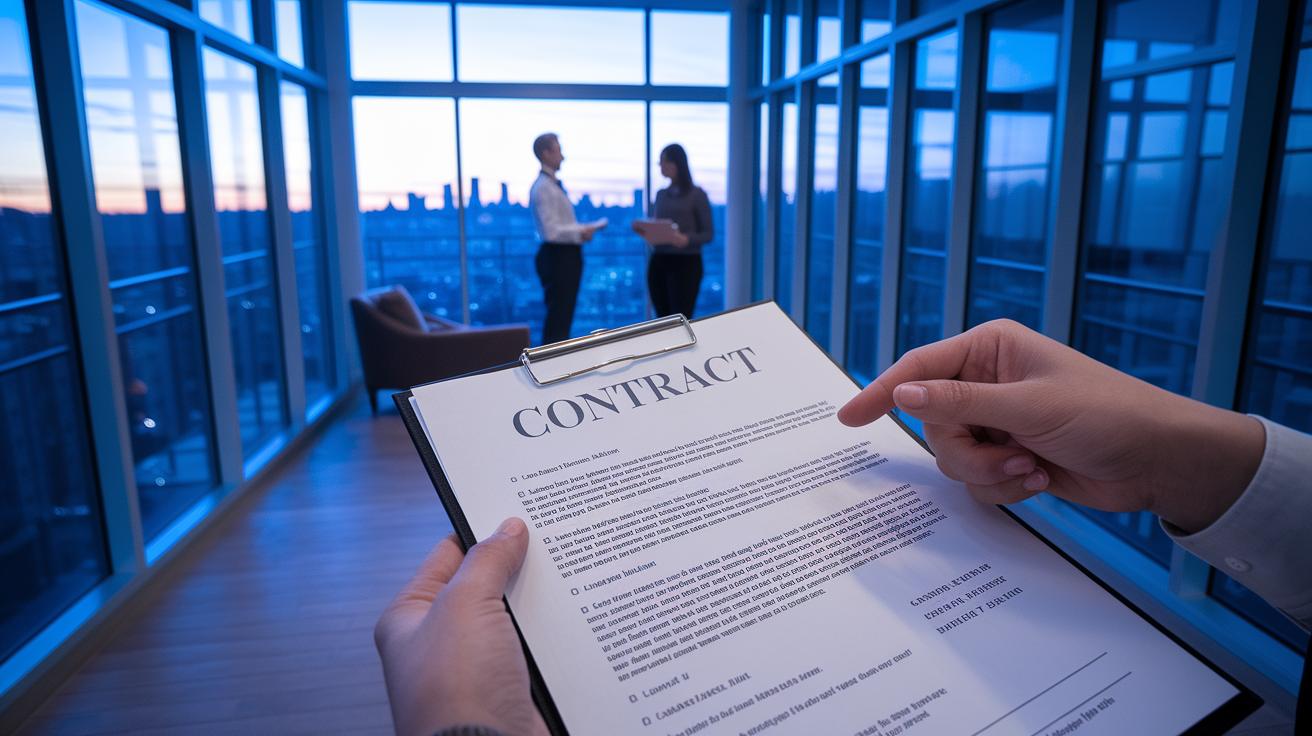
When you’re ready to make an offer in New York City, focus on your price, conditions, and deposit. Your offer should clearly state the price while including conditions like financing approval or property inspections. The deposit shows you mean business and can help set you apart in competitive markets, especially when off-market luxury listings trigger bidding wars.
Negotiation Tactics
Stick to your terms when you’re in Manhattan’s fast-moving market. If several bids come in, a solid deposit and clear conditions can give you an edge. Sellers tend to favor buyers who come prepared with simple, straightforward terms.
As you head toward closing, know that the process usually takes 60 to 90 days. Get all your documents in order, such as alteration agreements and board packages if you’re buying a co-op. Keep an eye out for extra costs that might not be obvious at first. Common hidden fees include:
- Move-in fees some buildings charge to cover administration costs
- Flip taxes that certain co-ops add when you resell
- Shared common charges that can add up over time
Staying alert to these details helps you navigate from the initial bid to final signing with confidence.
Selecting Real Estate Professionals & Due Diligence for NYC Properties
When you buy property in New York City, having a solid team makes a real difference. Local brokers know the ins and outs of neighborhoods and building rules, and they catch small details that discount sites can miss. Sure, new tech like S.MPLE helps with the work, but years of on-the-ground experience give seasoned agents the upper hand. They know how to spot problems and help you find the deal that works for you.
Here's what a good team can do:
- Check for hidden problems with a thorough inspection
- Do a title search to confirm ownership history
- Help you prepare for board interviews when buying a co-op
- Review finances to cover all related costs
- Check building policies to understand any restrictions
A trusted real estate attorney is also key in your NYC purchase. They go over board packages and handle contract talks. Their keen eye on the fine print can protect you from costly mistakes. Legal fees usually run about 0.5% to 1% of the purchase price, a small price to pay when the stakes are high. With the right mix of local agent know-how and legal support, you can confidently tackle New York City's bustling real estate market and make smart choices for your future.
NYC Urban Market Trends & Forecasts for Real Estate Buyers

NYC's property market is still buzzing. Data from 2023 shows a strong bounce back after the pandemic. Last year, prices went up from about $1,650 to roughly $1,780 per square foot. Sales grew by 8% compared to the previous year, adding more pressure for buyers. Experts expect the city to move around 21,500 units in 2024, which shows steady demand.
Neighborhoods like Williamsburg and Long Island City are especially popular. Young professionals are flocking to these areas, with a 12% increase in residents looking for convenient, modern homes. This trend is reshaping the local market and changing buyer habits. On an international scale, average listings in NYC are around $1.85 million, which is higher than prices in places like Antwerp, where they average $1.5 million. These numbers show that living in New York is both a lifestyle choice and a smart investment.
| Metric | 2022 | 2023 | 2024 Forecast |
|---|---|---|---|
| Avg Price PSF | $1,650 | $1,780 | $1,900 |
| Sales Volume | 18,500 | 20,000 | 21,500 |
| YoY Growth | 6% | 8% | 5%–7% |
buy nyc real estate: Thrive in the City
Investing in NYC property means knowing your returns and making smart choices. Cap rate shows the yearly income compared to the property's cost. For example, multi-family buildings in the city often have cap rates of 3% to 4%, which means steady rental income. Cash-on-cash return measures the annual yield on the cash you spend after getting financing. One Brooklyn case is a 4-unit townhome bought for $2.5M in 2020 that is now valued at $3.2M. This jump shows how a wise purchase can boost your overall return.
Here are some practical ideas:
- Multi-family purchases: Look for homes with several units that bring in reliable rent.
- Condo rentals: Invest in high-demand condos for steady monthly income.
- Fixer-upper flips: Buy older properties, improve them, and aim for returns between 15% and 20%.
- Off-market deals: Find properties not widely advertised to uncover hidden value.
Long-term equity growth remains a big draw for NYC investors. Converting unusual spaces, like turning a Manhattan parking garage into apartments, shows how smart ideas add value. With steady improvements and market trends, property equity grows over time. Tax benefits, such as 1031 exchanges, let you delay capital gains taxes when you reinvest in similar properties. This approach builds wealth and helps create a solid, diversified investment portfolio in one of the world's liveliest real estate markets.
Choosing Between Co-ops and Condos: Decision Guide for NYC Buyers
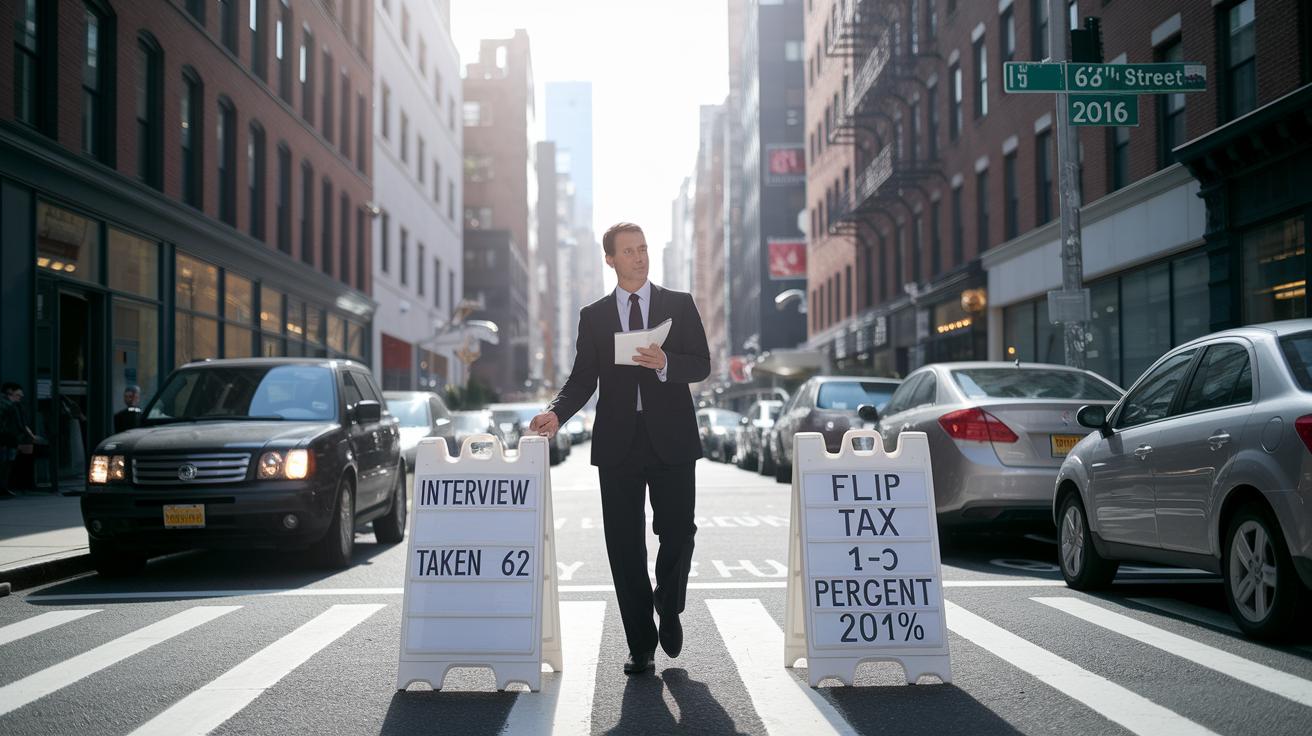
NYC buyers often need to decide fast: do you want a co-op or a condo? With co-ops, you might face extra steps like a board interview and a flip tax of 1% to 3%. Condos, on the other hand, come with set maintenance fees, around $1.50 to $2.00 per square foot, that make ownership simpler. Many high-end spots, like 10 E 67th Street, favor condo rules to speed things up. Plus, first-time buyers can get a boost from NYCHP down payment grants of up to $40k.
What you need to know:
- Board rules: Co-ops require board interviews. Condos let you own outright.
- Financing: Banks often have tighter rules for co-ops.
- Maintenance: Co-op fees usually take care of the building’s upkeep. Condo fees can vary.
- Resale: Condos are generally easier to sell later.
- Flexibility: Condos give you more freedom to renovate your space.
If you value a tight-knit community with set rules, a co-op might be right for you. But if you want fewer hoops to jump through and more control over your home, a condo could be a better fit.
Final Words
In the action, our guide laid out each step, from budgeting and selecting experts to evaluating co-ops, condos, and off-market opportunities. We covered how to prepare financially, scout properties, manage offers, and handle the closing process. Clear tips on financing and commitment timelines keep buyers informed and ready to act. This hands-on guide helps you plan each move practically and confidently. Stay updated, safe, and empowered to buy nyc real estate with smart, actionable steps.
FAQ
What are my options for cheap houses for sale in New York City and nearby areas?
The query about cheap houses means options are limited in NYC due to high prices. Look for affordable listings on online platforms and consider outer boroughs or upstate communities for better pricing.
Where can I find homes for sale in Upstate New York under $100,000?
The question about Upstate New York homes under $100,000 suggests budget-friendly options. Local listings and online platforms often showcase properties in less urbanized areas away from the city.
How can I view Zillow homes for sale in NYC?
The inquiry about Zillow listings for NYC real estate means you can visit Zillow’s website, input your desired neighborhood, and apply price filters to narrow down the available options.
What are my options for houses to rent in New York?
The question about houses for rent means New York’s rental market offers a mix of apartments and houses. Check local rental sites and community boards to find listings that fit your budget and lifestyle.
What are the real estate opportunities in Brooklyn?
The question on Brooklyn real estate indicates there are varied options from residential homes to mixed-use properties. Local agents and online listings often detail available opportunities in neighborhoods like Brooklyn Bridge Park.
Is it worth buying real estate in NYC?
The inquiry about buying in NYC often reflects that, despite high costs, property in NYC generally holds long-term value due to its location and steady market demand.
What is the $1 property in NYC?
The question about a $1 property refers to promotional offers with strict conditions, designed to attract interest. Always verify details with credible local resources before taking any action.
What salary do I need to buy a house in NYC?
The query about the required salary means that buying a NYC house depends on property cost, down payment, and loan terms. A stable income, strong credit, and careful budgeting are essential factors.
Are real estate prices dropping in New York?
The inquiry about dropping prices suggests that while some fluctuations occur in certain areas, overall NYC property values have traditionally shown stability and long-term growth.