

Wondering if your daily NYC commute can be smoother? Many New Yorkers take the subway, bus, commuter rail or bike share to get around. Each option has its own perks, whether you need a fast ride, extra comfort or a bit of flexibility.
We break down each transit choice so you can pick the best route for your day. Use this guide to plan your next trip and make your ride as stress-free as possible.
NYC Commute: Smooth, Reliable Transit Options
New York City has plenty of ways to get around for busy locals. Whether you're off to work or checking out a new neighborhood, you can pick from trains, subways, buses, bikes, or just walking. The 2018 American Community Survey shows that many New Yorkers lean on these choices. Lots of people also use tools like the Commute Calculator to figure out how long each trip will take.
Travel times in the city change with your route and the time of day. No one way works for everyone. Some options get you there faster, while others offer more space or comfort. Each mode comes with its own perks, so you can choose what fits your schedule and budget best.
- Subway: Enjoy quick rides on 24 lines that link Manhattan to the outer boroughs.
- Bus: Buses cover large parts of the city, making it easy to reach different neighborhoods.
- Commuter rail: Services like the Long Island Rail Road and NJ Transit help with trips across boroughs.
- Ferry: Ferries give you a scenic ride, especially during quieter times.
- Bike-share: Bike-share lets you dodge traffic while staying active.
- Walking: A short walk gives you a close look at your neighborhood and is a healthy option.
Each option has its ups and downs. The subway might be fast but crowded during rush hours, while buses and trains might offer more room and stops. Your best choice depends on where you're headed, your budget, and how quickly you need to get there.
Mastering the NYC Subway System for Daily Travel Efficiency
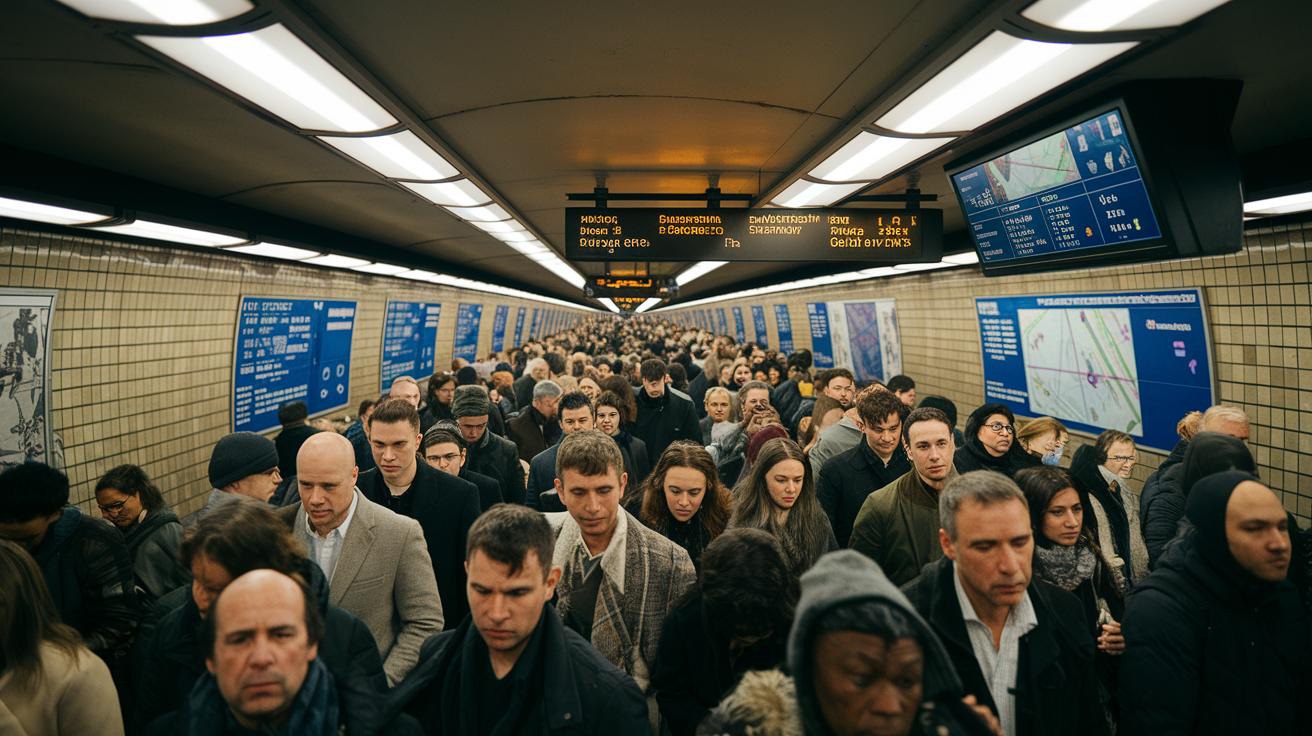
New York City's subway system covers nearly every part of the city with 24 train lines running from early morning until late at night. Most trains run often from 6 a.m. to 10 p.m., so whether you're off to a meeting or coming home after a long day, there's a train for you. The fast service during rush hour makes it a real lifesaver for New Yorkers.
You can check subway schedules and maps at station kiosks or online. These maps show where to transfer and how services run, which helps in planning your trip. For example, if you need to switch lines at a spot like 14th Street, clear signs and digital boards will point you in the right direction. Using these tools lets you see train timings and pick the best route.
Keep an eye on official MTA alerts for any service changes or delays. Real-time updates via push notifications or digital boards will let you know if a train is delayed or rerouted. When you hear about a delay or maintenance on a line, check these alerts immediately to adjust your travel plans and avoid extra waiting time.
NYC Bus Journey Guide: Routes, Timetables, and Rider Tips
New York City buses cover more than 300 routes across all five boroughs. Whether you're coming from the Bronx or heading to Staten Island, there's a bus to get you where you need to go. They run all day, though times can change based on the location and hour.
Checking bus times is pretty easy once you know what to look for. Many stops have digital screens that share arrival times, and you can use mobile apps to plan your trip. One rider said, "I checked the bus tracker and saw my bus was just two minutes away!" Signing up for alerts can help you stay in the loop about delays or changes so you can adjust your plans.
Before you board, make sure you're using the right door and have your fare ready. Sitting near the middle can give you a smoother ride, and keep an eye out for clear signs and announcements if you need to change routes.
Regional and Suburban Commutes into NYC

Living in the suburbs and working in the city means you have many transit choices that fit your routine. Depending on where you live and what time you travel, you can pick the option that best fits your day. For example, New Jersey offers quick trains straight to Penn Station plus pretty ferry rides and even luxury buses for extra comfort. Over on Long Island, the LIRR now gets you to both Penn Station and Grand Central with help from the East Side Access plan. If you’re coming from Connecticut, the Metro-North New Haven Line brings you right to Grand Central, making those early mornings or late nights a bit easier. And in Westchester County, the Harlem, Hudson, and New Haven lines not only end at Grand Central but also give you access to Hudson Yards. These choices offer a mix of speed and variety to match different needs.
| Region | Service | NYC Stop |
|---|---|---|
| New Jersey | NJ Transit & Ferry | Penn Station |
| Long Island | LIRR | Penn Station & Grand Central |
| Connecticut | Metro-North New Haven | Grand Central |
| Westchester | Metro-North Harlem/Hudson/New Haven | Grand Central & Hudson Yards |
When you plan your trip, keep in mind that prices can be different during rush hours and off-peak times. There are even reverse-commute services that work well when it’s less crowded. It helps a lot to check the schedule ahead of time and consider traveling when things are slower. These small changes can save you time and money while fitting right into your daily routine.
Analyzing NYC Commute Times Across Neighborhoods
We used 2018 data from the ACS 5-Year Estimates and mapped it to 188 NYC neighborhoods to see how long commuters spend traveling. This tells us a lot about why transit matters in our city. In Manhattan, 17 out of 20 neighborhoods enjoy some of the shortest commutes thanks to strong transit links. Meanwhile, Brooklyn shows both the fastest and slowest travel times, highlighting big differences within the borough.
| Neighborhood | Avg Commute Time |
|---|---|
| Midtown | 30 min |
| Williamsburg | 27 min |
| Bay Ridge | 45 min |
| East New York | 50 min |
These numbers show clear trends by borough. Areas like Midtown and Williamsburg, with their crowded transit systems, help residents get around faster. But neighborhoods in parts of Brooklyn and on the city’s outskirts face longer travel times. This study is a handy guide to see how local transit options can affect your daily schedule and remind us why investing in public transit matters for our community.
Real-Time Tools and Mobile Apps for NYC Commute Optimization

If you're commuting around New York City, real-time transit info and live alerts can make a big difference. They keep you updated on delays, maintenance work, and sudden route changes that might throw off your schedule. You can quickly change your plans as soon as new info comes in, which means your ride won't be interrupted as much. A quick alert about a delayed train, for example, might prompt you to switch to another option and save you time.
A number of mobile apps have become everyday helpers for keeping track of city transit. MTA Official gives you updates straight from the subway and bus networks. Citymapper plans trips across different modes and shows clear route maps to help you make easy transfers. Google Maps even offers estimated travel times and walking directions to add another layer of help.
Using alerts, saved routes, and push notifications can really smooth out your travel day. Set notifications to know when trains are coming or if there are delays. Save your regular routes so you can check them quickly during rush hour. This way, you can act fast when transit conditions change. Play around with different alert settings until you find what fits your travel needs best. With these tools, you can plan smarter and even shave precious minutes off your morning and night commutes.
Digital Fare Payment and Ticketing for Seamless Travel
MetroCard is still a trusted choice for many New Yorkers. It lets you pay per ride or use unlimited weekly and monthly passes. The fare prices change based on busy times and quieter hours, so you can save money when it's less crowded. Commuters appreciate its steady performance, it’s been a go-to for decades.
OMNY is NYC’s fresh way to pay your fare without touching cash. Now, you can tap your bank card or digital wallet to ride. This contactless method speeds up station entry and even puts a cap on your daily spending. It’s a modern twist that cuts down the need for plastic cards and keeps travel smooth.
Transfers let you switch between services without an extra charge, as long as you do it within the set time. If you have any unused balance, you can ask for a refund at select machines or online. A good tip is to plan trips to make the most of free transfers and tap into fare promotions. A little planning goes a long way in keeping costs down.
Peak-Period Strategies and Rush Hour Insights for NYC Commuters

The busiest times on our streets are usually from 7 a.m. to 9 a.m. and from 5 p.m. to 7 p.m. In these windows, subway lines and bus stops across Manhattan and the outer boroughs get very crowded. A lot of riders end up feeling squeezed. Knowing these hours can help you avoid the worst delays.
Looking for extra paths might give you a smoother ride. Try leaving a bit earlier or later to skip the thickest crowds. Some neighbors mix it up by taking a quick subway ride and then switching to a bike-share. This mix-and-match plan can trim wait times and ease your journey.
Sometimes, jams can’t be avoided. When that happens, listen to your favorite podcast or some calming tunes. It can even turn your ride into a little break. Use the time to catch up on emails or plan your day, and you might find a bit of productivity amid the rush.
Last-Mile Connectivity: Walking, Bike-Share, and Rideshare Solutions
Walking is still a favorite way for New Yorkers to finish their trips. Sidewalks along 34th Street and routes in the Financial District are well-kept, making it easy to head from a subway stop to your building. It's a quick walk that can feel like a refreshing break in a busy day.
Citi Bike and e-scooters bridge the gap between transit stops and doorsteps. The bike-share stations are located near key subway stops. For example, at Columbus Circle you'll see easy-to-reach docks right by the busy sidewalk. It helps you switch rides smoothly and keep moving on time.
When the distance is a bit too long, rideshare options like taxis and shuttles can get you there fast. These services can avoid the heavy foot traffic, and taxis work well for quick pickups during slower times. They offer a reliable way to reach your next destination without delay.
Final Words
In the action, this post broke down the many ways to handle the nyc commute. It shared tips on riding subways, catching buses, and taking suburban trains, along with advice for peak hours and finishing your journey with walking, bike-share, or rideshare options.
The guide pointed out how digital tools and updated fare systems make route planning easier. Stay informed, plan ahead, and enjoy smoother travels every day.
FAQ
Frequently Asked Questions
What is the best way to commute in NYC?
The best way to commute in NYC depends on your destination and schedule. Options include the subway, bus, commuter rail, biking or walking, each offering different speed, cost, and coverage across neighborhoods.
What are NYC commute times and what is considered a normal commute in NYC?
NYC commute times differ by mode and neighborhood. Many daily journeys range from 30 to 50 minutes during peak hours, with shorter trips downtown and longer rides from outer boroughs or suburbs.
Do people commute into NYC?
People from nearby towns, suburban areas, and outer boroughs commute into NYC daily. They rely on trains, buses, ferries, and other transit services to reach work, schools, and leisure activities in the city.
What are the best commuter towns to NYC for young families?
The top commuter towns for young families blend affordable housing and good schools with easy transit connections. Many options in New Jersey, Long Island, and Westchester offer a balance of comfort and accessibility.
Is $1000 enough for 4 days in New York?
Whether $1000 covers 4 days in New York depends on your spending habits. With careful planning around affordable lodging, food options, and smart transit, many visitors manage a comfortable stay on that budget.
What resources can help me plan my NYC commute?
Online tools like commute calculators, interactive maps and real-time transit apps aid in route planning. Community discussions on platforms and official NYC subway maps and benefit updates can also guide your travel choices.
Is a 30-minute commute to NYC realistic?
A 30-minute commute to NYC is realistic if you live near a major transit hub. Many residents enjoy shorter travel times during non-peak hours when transfers and service frequency work in their favor.