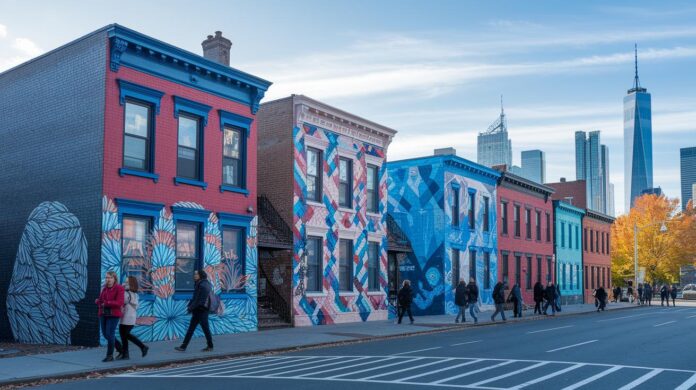

NYC streets tell their own story.
Walk through Woodlawn and you can feel Irish history around every corner. In Richmond Hill, the beat of Caribbean music fills the air. These neighborhoods pulse with the lives of 3.1 million immigrants, who brought with them over 700 different languages.
Traditions, food, and music have turned our blocks into living history lessons. Today, every street and storefront holds a piece of the city’s past, showing us that history is more than old books, it’s right at our feet.
Overview of New York City’s Enclave History
New York City’s story is built on the lives of many migrant communities who have brought their traditions and resilience to our streets. Almost 37% of the city’s residents, roughly 3.1 million people, are immigrants. You can hear over 700 languages spoken in neighborhoods all around town. More than 20 ethnic enclaves in Manhattan, Brooklyn, Queens, the Bronx, and Staten Island each share a unique tale of migration and change that shows how old customs mix with new ideas.
Each new wave of immigrants has left a clear mark on local landmarks and neighborhoods. Their shared history paints a picture of a city growing through rich traditions, diverse cultures, and steady community ties. These stories together shape the colorful identity that makes New York City truly unique.
Migration Waves Shaping NYC Enclaves
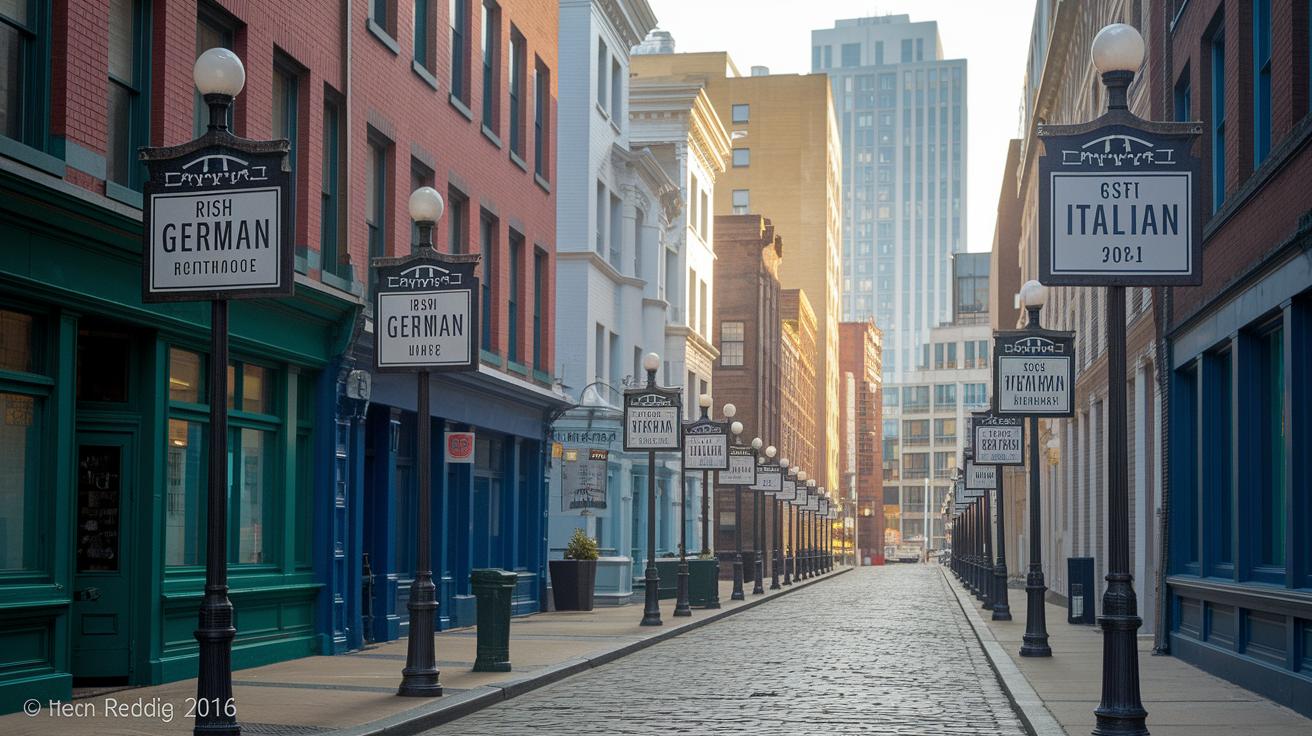
New York City got its unique vibe from waves of newcomers. In the 19th century, Irish families started settling in Woodlawn while German immigrants made their mark in Greenpoint. Each group brought its own food, language, and traditions, crafting small communities filled with both struggle and hope. This early mix set the stage for a city that welcomed those looking for a fresh start.
By the early 1900s, vibrant groups of Eastern European Jews moved into the Lower East Side. At the same time, Italian immigrants began planting roots in East Harlem, adding their own customs and flavors to the community. In the mid-1900s, families from the Caribbean made Richmond Hill their home, and more people from the Dominican Republic found a place in Washington Heights. Later on, after 1965, South Asians began arriving in Jackson Heights and Flushing, while Southeast Asians settled in Elmhurst. These later waves have made the city even richer in its cultural mix.
| Migration Wave | Period | Origin Regions | Notable Enclaves |
|---|---|---|---|
| Early Settlers | 19th century | Ireland, Germany | Woodlawn, Greenpoint |
| Immigrant Builders | Early 1900s | Eastern Europe, Italy | Lower East Side, East Harlem |
| Caribbean Influx | 1950s-60s | Caribbean regions | Richmond Hill, Washington Heights |
| Modern Diversification | Post-1965 | South and Southeast Asia | Jackson Heights, Flushing, Elmhurst |
Today, the impact of these migration waves is clear around every corner of New York City. Each group has left its legacy, shaping neighborhood life and keeping community ties strong.
Key Borough Enclave Formations in NYC
New York City is built on neighborhoods that tell the story of hard-working immigrant pioneers. Many of these enclaves started as safe spots where newcomers could hold on to their traditions while getting used to city life. Today, they serve as lively community hubs full of local flavor and stories from around the world.
- In Washington Heights, Little Dominican Republic took shape after the 1960s. Dominican and Cuban families made it their home.
- Harlem’s Little Senegal has thrived along 116th Street for over 30 years, drawing West African immigrants.
- In Greenpoint, Little Poland formed in the late 1800s when Polish immigrants came seeking safety from hardship.
- Jackson Heights is famous for Little India & Tibet, where residents speak 167 different languages in a 300-acre area.
- Richmond Hill’s Little Guyana has hosted around 140,000 Guyanese immigrants since the 1970s.
These neighborhoods are like living history books that shape the city’s identity. They thrive with community-run shops, local eateries, and neighborhood events that honor tradition and unity. Take a stroll through Washington Heights or Harlem, and you’ll hear the mix of music, art, and language that makes each area unique. The blend of old traditions and modern urban energy keeps New York City vibrant and ever-changing.
Socio-Economic and Cultural Impact of NYC Enclaves
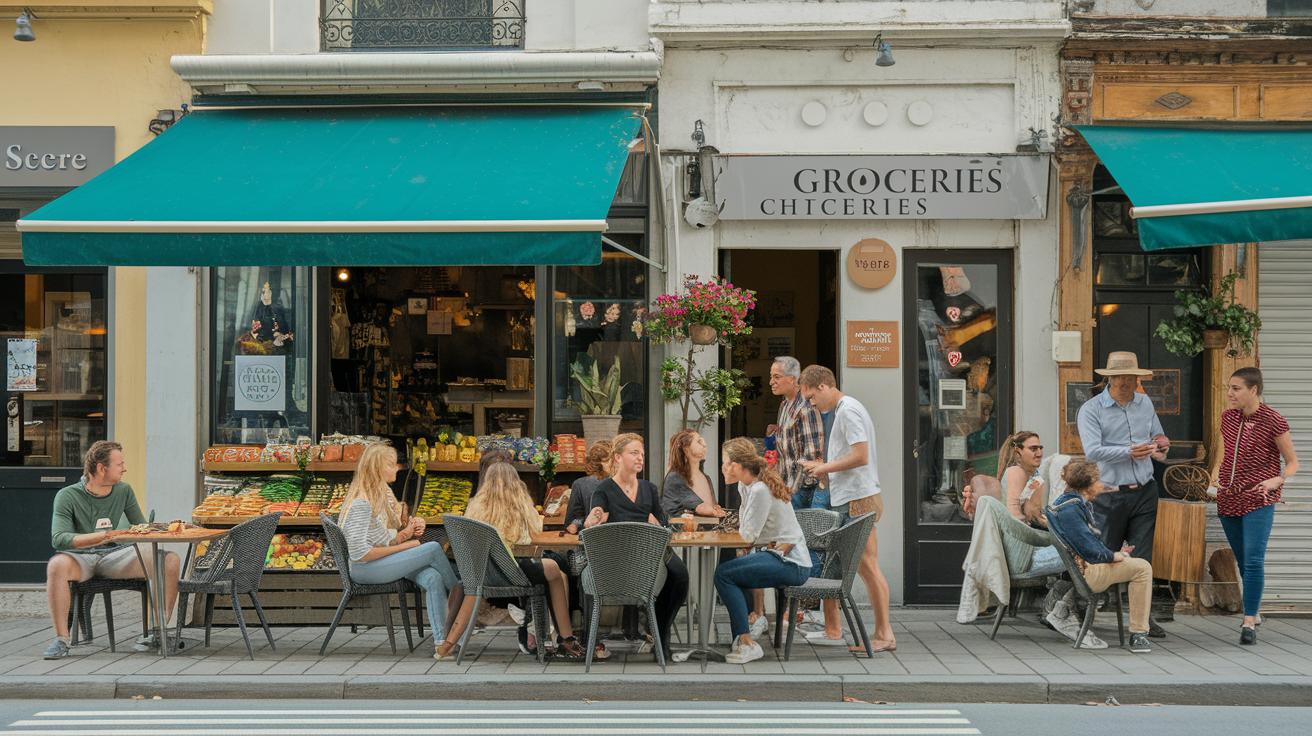
Neighborhood communities boost local economies by keeping small businesses running, like local restaurants, grocery stores, and shops. These family-run spots supply everyday needs, offer jobs, and help nearby shops do well. They also serve as local hangouts where people share a meal or coffee, catching up and sparking more activity.
Local festivals bring extra life to these neighborhoods. Events like the Dominican Day Parade in Manhattan and the Lunar New Year celebration in Flushing pull in crowds from all around the city. They offer music, dance, and street food that remind locals of their heritage and build community pride.
But challenges still exist. Gentrification is making things tougher for some areas. For example, Pakistani businesses on Coney Island Avenue fell by 50% after pressures post-2001. Rising rents and changing demographics force long-time business owners to adapt fast. Still, residents and community leaders are working together to find new ways to protect local markets and cultural landmarks, keeping these neighborhoods strong and full of character.
Preservation and Future of NYC Enclaves
City leaders are using smart zoning and teaming up with nonprofits to protect our cherished storefronts and cultural landmarks. In 2017, the Flatbush area known as Little Caribbean got official recognition, and later the city also designated Woodside's Little Thailand. These moves aim to preserve the unique character of our neighborhoods for all who live here.
Local groups are stepping up too. They are planning clean-ups, cultural festivals, and community meetings to ensure the city continues its support.
Looking ahead, residents are blending their rich heritage with fresh ideas. As our neighborhoods adjust to modern life, locals and community leaders dream of a future where history and new development work side by side to keep New York City vibrant.
Final Words
In the action, this piece traced the evolution of neighborhoods throughout NYC, from early migration waves to today's dynamic cultural spots. We touched on the impact local businesses and events have on community spirit and resilience. Grassroots efforts and city policies continue to shape the history of NYC enclaves, preserving unique traditions for future generations.
Every detail paints a picture of a city in constant motion and care. Stay tuned and keep exploring what makes our neighborhoods special.
FAQ
Q: What is the history of NYC enclaves timeline?
A: The history of NYC enclaves timeline explains how waves of migration, from the 19th century through today, shaped neighborhoods with distinct ethnic and cultural identities across the city.
Q: What is the history of NYC enclaves slavery?
A: The history of NYC enclaves slavery touches on a time when forced migration and exploitation influenced early settlement patterns, leaving a complex legacy in some areas and impacting later community formations.
Q: What is the history of NYC enclaves map?
A: The history of NYC enclaves map shows visual representations detailing how distinct immigrant communities emerged and evolved in different boroughs, highlighting changes in demographics over time.
Q: What is shown on the ethnic neighborhoods NYC map?
A: The ethnic neighborhoods NYC map displays where diverse communities reside across the boroughs, marking areas known for local businesses, cultural traditions, and strong community bonds.
Q: What are the ethnic enclaves in NYC?
A: The ethnic enclaves in NYC consist of distinct neighborhoods that arose from successive waves of immigration, each offering a sense of community through shared language, traditions, and local commerce.
Q: What are ethnic enclaves in the US?
A: The ethnic enclaves in the US include urban areas where immigrant groups settle, maintain cultural practices, and create community hubs that foster support, entrepreneurship, and multicultural exchange.
Q: What were immigrant neighborhoods in New York in 1900?
A: The immigrant neighborhoods in New York in 1900 refer to areas where newcomers established communities, built small businesses, and formed support networks that laid the groundwork for today’s vibrant enclaves.
Q: What is the definition of ethnic neighborhoods?
A: The ethnic neighborhoods definition refers to urban areas marked by a high concentration of a particular cultural or national group, where residents share common language, traditions, and social ties.