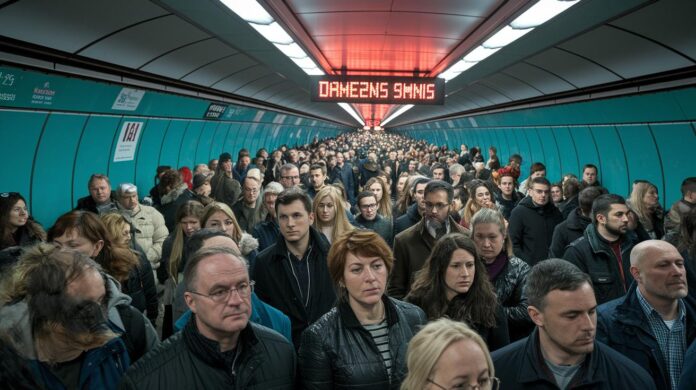

Ever waited on a subway platform, wondering when your train will show up? NYC transit delays can turn your morning into a guessing game.
What you can do:
Official MTA updates, live feeds and push notifications can help you skip long waits and find a better route. Use real-time alerts to stay ahead of disruptions and plan your journey.
Simple tips like these can turn a frustrating delay into a manageable setback.
Real-Time NYC Subway Delays: Status Updates and Notifications
Joe Torres's live feed gives real-time updates on subway delays for New Yorkers. For the latest info, start with the official MTA channels. Station signs light up with alerts when a train issue happens, and the MTA app sends notifications straight to your phone.
If you spot an alert on a station display, it means one or more trains are delayed. The MTA Twitter feed quickly posts news on delays, interruptions, and service changes. These updates help riders plan alternative routes and avoid long waits. If your train is running late, check nearby digital screens or the app for estimated wait times.
Many riders sign up for text alerts on the MTA website. These texts share emergency rail updates and let you know when service gets back on track. To be sure of current conditions, visit the MTA feeds or trusted real-time dashboards online.
Quick tips to stay updated:
- Look at station signs when you arrive.
- Follow the official MTA Twitter account.
- Use the MTA mobile app for push alerts.
- Check the MTA website for text message updates.
These simple methods help you understand what's happening and plan your trip. Stay alert and adjust your commute as soon as a delay is reported.
Key Reasons for NYC Subway Delays

Signal problems are a top reason trains run late. When a signal fails, a train slows or stops, which sends delays cascading along busy routes.
Transit crews also schedule maintenance that shuts down parts of the track. They do safety checks and repairs, so these planned stops, although necessary, still cause delays.
Unexpected track issues can also catch riders off guard. Sometimes a small defect means crews have to fix it right away, resulting in last-minute holdups. Shortages in staffing can force train operators to skip a service cycle or reassign drivers, especially during rush hours. Bad weather like heavy rain or snow makes things even tougher by affecting both the track conditions and signal clarity.
All of these problems add up. Basic issues like slow track switching and equipment failures make it harder for engineers to keep a steady flow. When multiple issues pile up, delays ripple through the entire system.
Knowing these factors can help riders make better travel plans when delays happen.
Alternate Travel Routes During NYC Subway Delays
NYC subway holdups can throw off your day. When trains stall, there are simple ways to get back on track. Check out these local options that help you beat delays and keep moving.
First, look for shuttle bus bridges. These buses run over the closed rail segments so you don’t have to wait. Nearby bus routes often hit the same stops as the subway, offering a quick workaround. You might also consider PATH trains, which follow parallel tracks in parts of the city. For shorter trips near major stations, using a Citi Bike is a fast and flexible choice.
If speed is key, opt for express bus routes. Sometimes even a short walk between stops beats waiting for a delayed train.
Here are your top alternatives:
- Shuttle bus bridges over disrupted rails
- Nearby bus routes serving the same stops
- PATH trains on parallel tracks
- Citi Bike near major stations
- Express bus routes for quicker trips
- Walking transfers when stops are close
Keeping these options in mind can help you beat delays and plan your day better, even when the subway isn’t running on time.
Historical Delay Trends in the NYC Subway System

In the last ten years, study results show clear trends in how New York City subways perform. Data reveals that some lines, like the 1, L, and 6, slow down more often, especially on busy routes that many New Yorkers rely on. In winter, icy roads and snow cause more train delays, and riders feel the impact during their daily trips.
Older subway lines seem to experience more issues because they struggle with heavy use and aging equipment. Delays tend to ease during the warm months and worsen in the cold. One commuter noted that in December, wait times are noticeably higher because of the winter weather.
Scheduled maintenance and unexpected signal issues also add to the delays. Some routes have seen steady improvements over time, but others still face challenges, especially during rush hour. This history helps us understand how past problems shape today’s subway service in our busy city.
Official Responses and Recovery Plans for NYC Subway Delays
MTA experts move fast when service issues come up. Recent bulletins explain the emergency steps used when delays hit. The agency quickly targets major lines for repairs. Crew members are sent out and train schedules are adjusted right away to get things running normally. Updates are shared through station announcements, digital screens and official social media.
When long delays occur, MTA teams take a close look at the network to spot trouble spots. They then share recovery plans so riders can adjust their trips. For example, the process includes:
| Step | Description |
|---|---|
| Status Reports | Regular updates on the affected parts of the system. |
| Real-Time Monitoring | Technicians watch delay metrics as they happen. |
| Planned Upgrades | Old track structures are upgraded to cut future delays. |
Officials review and update these procedures often. Scheduled repairs and drills are part of the plan to cut delay times. While live updates might not give exact restart times, the MTA stays focused on a fast recovery and better performance on all routes.
NYC Subway Delays: Swift Status Updates
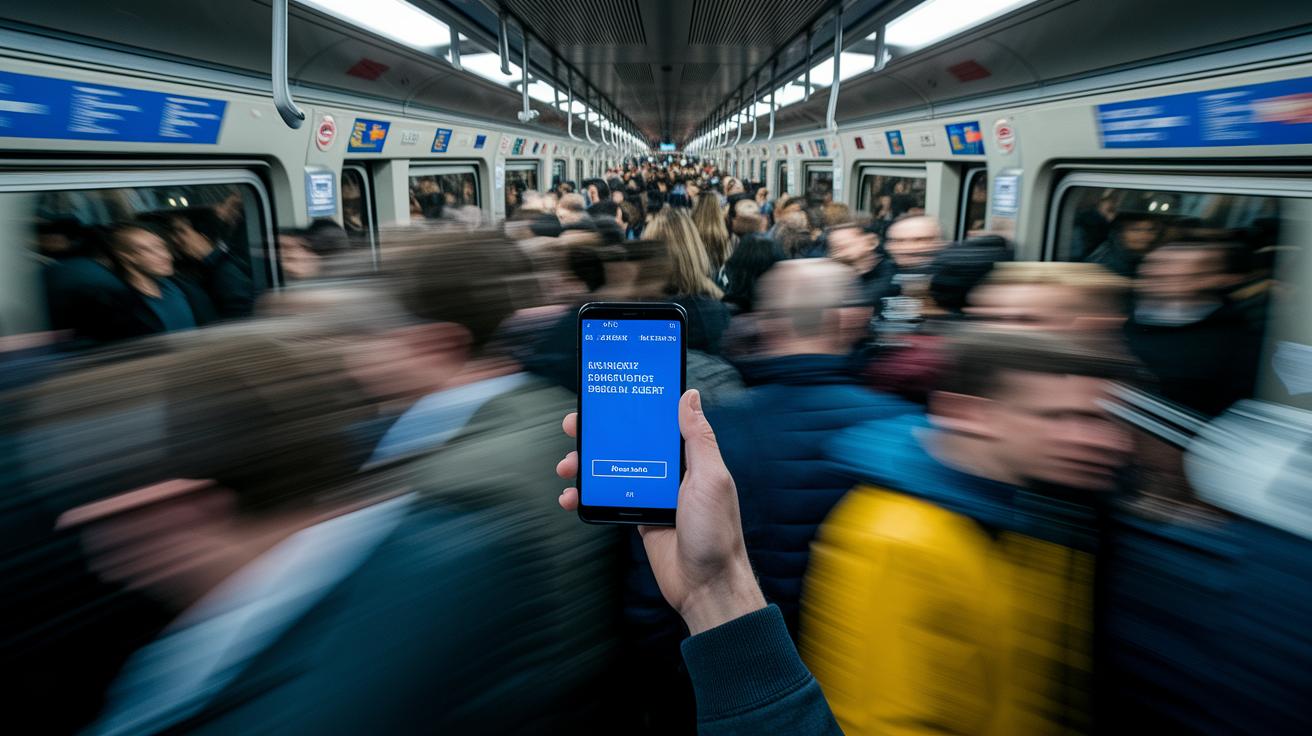
If you're riding the NYC subway, you can count on the MTA mobile app, station screens, or the website for fast, trusted train updates. They give you real-time info so you can change your plans on the fly.
Third-party apps now add extra features not found on official channels. Some of these tools mix MTA data with rider reports to share details like rail gauge readings and very local transit tips. Imagine an app that even shows which train car might be less crowded, all based on live rail info.
Key tools include:
- MTA mobile app for quick delay alerts
- Digital displays on station screens and the MTA website
- Real-time updates on official social media feeds
- Third-party apps with detailed commuter info and local transit feeds
Using all of these together gives riders a full picture of any service issues without repeating the same data.
Final Words
In the action, we unpacked real-time subway delays, looked at status updates, and shared quick tips on staying informed with honest alerts. We broke down common causes like signal glitches and weather issues while suggesting alternate routes when delays hit hard.
The guide also touched on trend patterns and recovery plans, along with the best tools to track nyc subway delays. Stay alert and keep your schedule flexible for smoother commutes.
FAQ
What are NYC subway delays today and how can I track them on Twitter?
NYC subway delays today are updated on the MTA’s Twitter feed and official alerts. They provide real-time information so you can plan your commute and avoid holding up extra travel time.
How can I view the NYC subway delay map and subway map?
The NYC subway delay map is available on MTA websites and apps alongside the regular subway map. They both help you quickly see which lines are affected and plan a smoother route.
What should I know about delays on the 4 and A trains today?
Latest updates for the 4 and A trains are posted on MTA social media and station displays. Checking these resources offers clear details on delays and any active service changes.
How can I check the R train status?
The R train status is provided on the MTA’s digital platforms and station signage. This information helps you decide if you should wait, try an alternate route, or adjust your travel plans.
Why are NYC trains so delayed?
NYC trains face delays due to signal issues, scheduled maintenance, crew shortages, and weather conditions. Real-time updates explain these problems, helping you plan your journey more efficiently.
How do I check my NYC subway status?
You can check your subway status using the MTA website, mobile apps, and official Twitter feeds. They offer live updates and step-by-step details on changing service conditions.
Which NYC subway line commonly experiences the most delays?
Some lines see more frequent delays because of older equipment and higher traffic. Reviewing current MTA updates can show which line is running slower and help you choose the best alternative.
How late is too late for the NYC subway, and what should I do?
Late-night service often means fewer trains and more delays. Many riders plan for back-up options, such as buses or rideshares, once service frequencies drop after midnight.