

Ever wondered what gives some city neighborhoods their vibe? In New York, it all started back in 1898 when separate towns joined to form our city. That moment set off the blend of art, culture, and community we see today.
This piece highlights seven districts where bold urban style mixes with everyday life. Each neighborhood tells its own story and shows how local history still shapes our streets. Step outside, check out the art on the walls, listen to the chatter on the sidewalk, and see why these spots feel like home for so many New Yorkers.
7 new york city districts: Bold Urban Charm
New York City became one city on Jan. 1, 1898 when separate towns joined forces. This union helped shape a modern urban center where about 8.5 million people live in roughly 302.6 square miles. It was a big turning point that made it possible to plan city growth, boost the economy, and mix different cultures together.
Today, the city is split into five boroughs, each with its own feel and history. You can stroll the neat streets of Manhattan, wander through Brooklyn’s lively neighborhoods, explore Queens’s many diverse communities, see The Bronx’s historic roots, or enjoy Staten Island’s more relaxed vibe. Each borough shows a different side of New York life. From art museums and theaters to big parks and budget-friendly housing, there is something for everyone. This setup tells a story of teamwork and growth that has lasted over a century.
| Borough | Population | Land Area (sq miles) |
|---|---|---|
| Manhattan | 1.63 million | 22.83 |
| Brooklyn | 2.59 million | 71.40 |
| Queens | 2.29 million | 108.53 |
| The Bronx | 1.42 million | 42.82 |
| Staten Island | 491,133 | 58.37 |
Manhattan District Profile
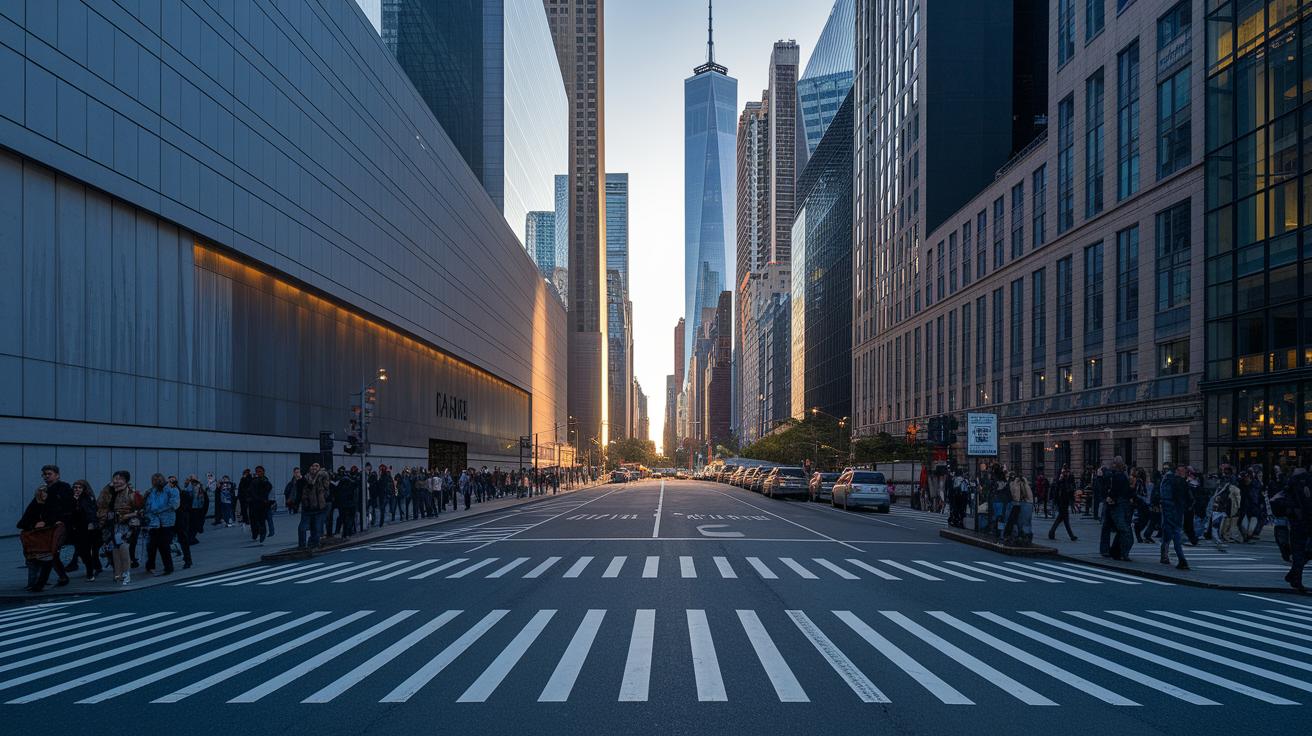
Manhattan is home to 1.63 million people in 2024. Built north of Houston Street on a neat grid, its streets make it easy for everyone to get around. Both locals and visitors can quickly move from one neighborhood to the next. Many say, "Imagine turning every corner and finding your way like following a clear, simple map."
The borough also shines with famous art spots like the Guggenheim and the Metropolitan Museum of Art. These places mix art, history, and live performances that add to the city’s creative vibe. The local theaters and music halls bring in live shows that boost Manhattan’s urban charm. One might remark, "Step into a space where every piece of art tells a story of history and creativity."
Every neighborhood in Manhattan has its own feel. The Upper East Side offers Central Park and top schools, while areas like the Upper West Side, Greenwich Village, East Village, and Chinatown each share their unique story. Rent prices can vary widely. In Washington Heights, rents average around $2,800 a month, while in sought-after spots like the West Village or parts of the Upper East Side, monthly rents can top $10,000. A local could say, "Picture finding an apartment where modern convenience meets classic charm on every corner."
Brooklyn District Profile
Brooklyn is home to 2.59 million people. Its streets mix old brownstones with modern condos and green spaces. Here, classic buildings stand next to new designs, showing a rich past and a forward-looking community.
The borough is full of cultural spots and parks. You'll find art on every corner, from small galleries to live performance venues. At the same time, parks and community gardens offer a break from the busy city pace.
Every neighborhood has its own vibe. In Williamsburg, the arts thrive and Domino Park gives great waterfront views. One-bedroom apartments here start at $2,100 a month. In Dumbo, luxury lofts average around $4,400. Places like Park Slope, Prospect Heights, Bushwick, and Bay Ridge bring even more flavor to Brooklyn, each with its unique story and energy.
Queens District Profile
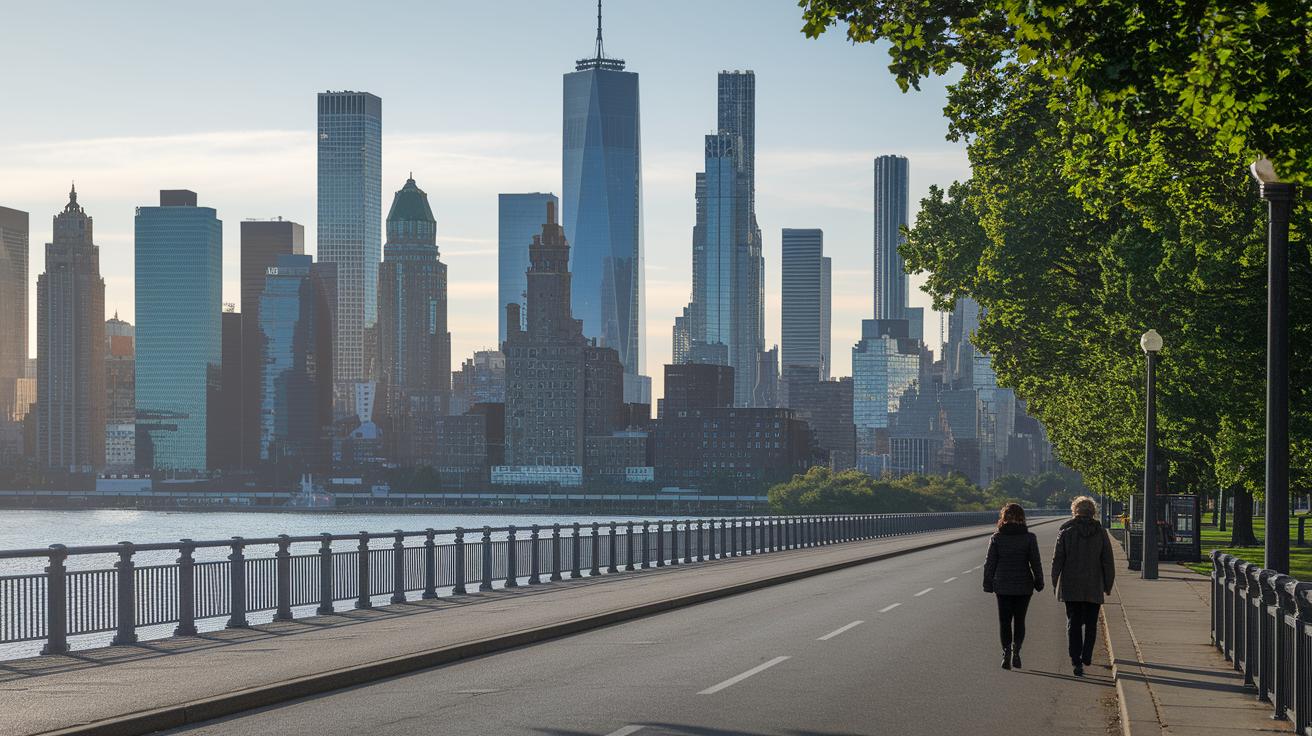
Queens is home to 2.29 million people, making it the biggest borough in size. Here, you get plenty of space along with the perks of city life. The borough mixes a calm, suburban feel with quick access to urban services.
Communities vary widely in Queens. Some areas have quiet streets and small parks, while others boast sleek modern high-rises along the waterfront. Imagine waking up near a peaceful park and then heading out to a busy market with flavors from around the world.
Astoria offers affordable studios starting at $1,100 a month. Over in Long Island City, striking waterfront towers draw in young professionals. Jackson Heights is celebrated for its rich cultural mix, and Forest Hills is known for its calm, tree-lined streets. Flushing is a must for food lovers who enjoy Asian cuisine, and The Rockaways let residents enjoy the ocean breeze. Two-bedroom apartments average about $3,500, meeting the needs of families and professionals who want a vibrant yet practical place to live.
The Bronx District Profile
In The Bronx, rich cultural history blends with wide open green spaces. This borough is home to 1.42 million people and is celebrated as the birthplace of hip-hop. Local landmarks like the Bronx Zoo, the New York Botanical Garden and the Edgar Allan Poe Cottage show off its art, history and nature.
Pelham Bay Park covers 2,772 acres and gives families a chance to picnic, play sports or simply wander scenic trails. Walk the park and you'll feel the early hip-hop vibes and a strong sense of community.
The Bronx has many neighborhoods that fit different lifestyles. Upscale areas like Riverdale offer tree-lined streets and spacious homes for a quiet escape. Near Fordham, a youthful vibe reigns with plenty of schools like Fordham University close by.
The South Bronx is seeing a fresh burst of art and music with new galleries opening up. Over on City Island, you'll find a small maritime village feel with cozy bungalows and local seafood markets. With more affordable rent than many other boroughs, The Bronx is a smart choice for anyone who values community, culture and open space.
Staten Island District Profile
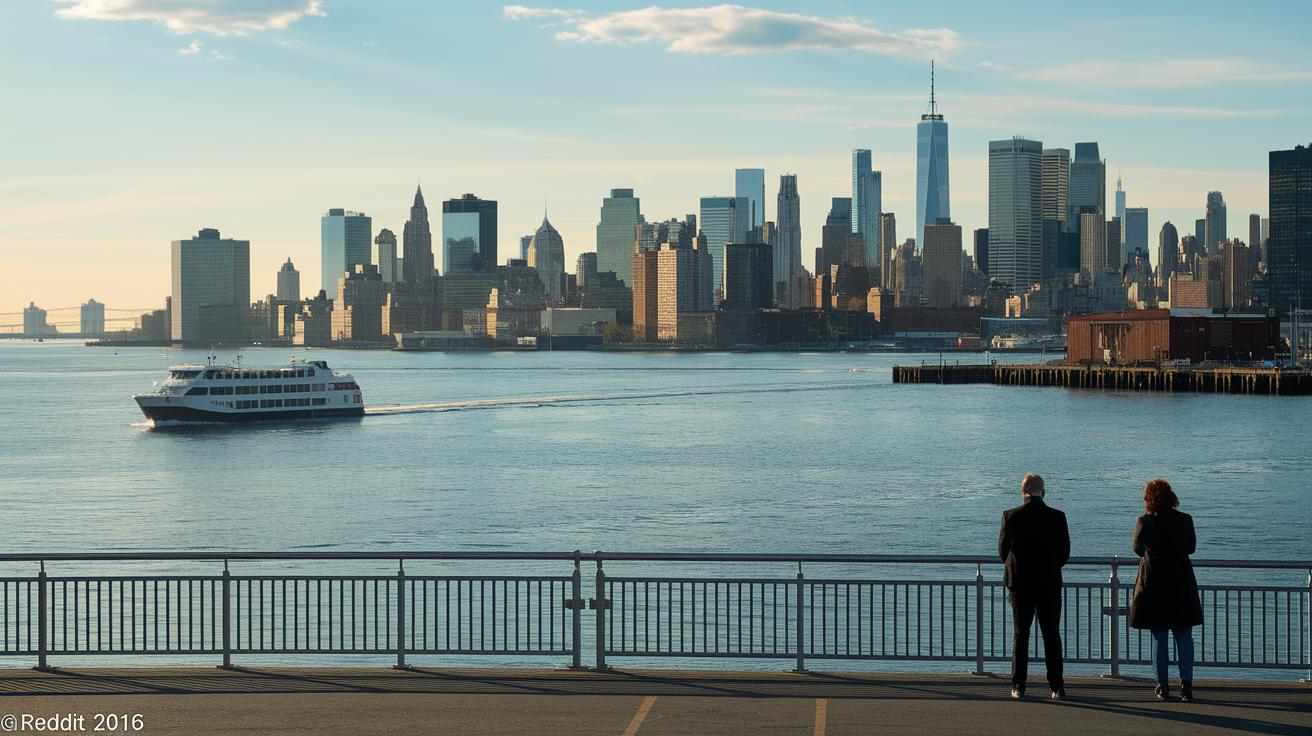
Staten Island is a quiet place where nearly 500,000 people enjoy a slower pace compared to the busy city. It is known for its family-friendly vibe and relaxed feel. One of the best perks is the free Staten Island Ferry. Every day, commuters board the ferry for a steady ride to Manhattan. The trip gives a clear view of the harbor, making travel feel special even on busy mornings.
Each neighborhood has its own charm. For example, St. George is a key hub with an easy ride on the ferry. Tottenville, at the southern tip of the state, feels like a small beach town. Great Kills is loved for its parks and sandy shores. With average rents around $1,400 per month and home values near $530,000, Staten Island offers affordable living for families and individuals who want a mix of calm and easy access to city life.
Demographics & Statistical Overview of New York City Districts
New York City is home to about 8.5 million people spread across 302.60 square miles. Each borough has its own vibe, thanks to differences in density that shape everyday life.
| Borough | Population (2024) | Area (sq mi) | Density (per sq mi) |
|---|---|---|---|
| Manhattan | 1,630,000 | 22.83 | ~71,426 |
| Brooklyn | 2,590,000 | 71.40 | ~36,250 |
| Queens | 2,290,000 | 108.53 | ~21,100 |
| The Bronx | 1,420,000 | 42.82 | ~33,150 |
| Staten Island | 491,133 | 58.37 | ~8,409 |
| Total NYC | 8,500,000 | 302.60 | ~28,073 |
In Manhattan, the tight space means life moves fast and every block buzzes with energy. Staten Island offers a more open, relaxed feel. Meanwhile, Brooklyn, Queens and The Bronx mix density with room to breathe, giving each area its own unique character.
Transportation Connectivity Across New York City Districts
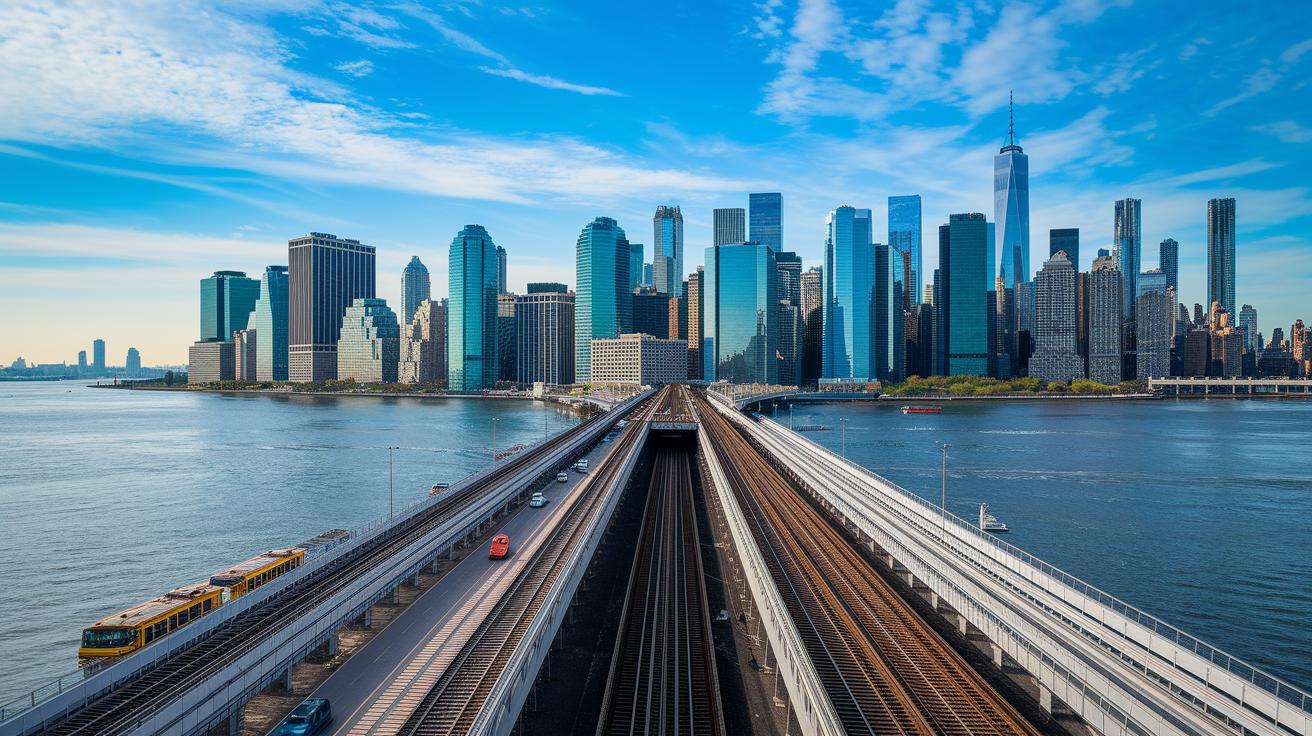
New York City’s subway is the heartbeat of our streets, linking neighborhoods with its 472 stations centered around Manhattan. Commuter rails like the LIRR and Metro-North stretch these links to the suburbs and city center, helping locals move around quickly. Many New Yorkers rely on this network to make long trips feel short.
MTA buses cover the spots where the subway can’t reach. Every day, these buses cruise busy avenues to serve local communities, and they become a handy alternative when trains run late. The Staten Island Ferry connects the island to Manhattan while giving riders a fresh view of the skyline.
Roads too play a big part in keeping us connected. Routes like the East River bridges and the Midtown Tunnel help drivers cut through the city. Still, some points slow down during rush hour, whether it’s narrow stairs in some subway stations or crowded road tunnels. Even with a strong transport system, everyday challenges remind us that even the best networks have their tough moments.
District Maps & Planning Tools for New York City
NYC Open Data gives you a set of detailed GIS shapefiles that show borough boundaries, community districts, and council districts. These tools let you see clear, official maps that help you understand how the city is laid out. Fun fact: long ago, maps were drawn by hand, so details were often missed.
NYC Planning also offers an interactive web map. With the boundary map viewer, you can zoom in on district lines, check community limits, and view planning areas in real time. You can easily see layers for zoning, land use, and council districts to understand how everything fits together.
There are downloadable PDF maps and mobile apps like NYC Planning Beta that put district info in your pocket. These easy-to-use tools work while you're commuting or running errands. Whether you're at home or on the move, this info is a handy resource for anyone looking to explore local district layouts.
Final Words
In the action, we broke down the core areas of New York City. We covered the creation of the city, the detailed profiles of each borough, and key transit links that keep us moving. We also shared practical tips on where to find maps and planning tools. This guide brings clarity to the complex landscape of new york city districts. The detailed look makes it easy to connect with your community and stay on track. Enjoy planning your next local outing with confidence and optimism.
FAQ
Frequently Asked Questions
How can I view a New York City districts map?
The New York City districts map shows borough boundaries and council districts. It’s available from official sources like NYC Open Data and the NYC Planning interactive boundary viewer.
How do New York City districts relate to ZIP codes?
New York City districts and ZIP codes don’t match exactly. Council districts may cross ZIP boundaries, so use official mapping tools to see the proper district splits.
What are the boroughs of New York City?
The boroughs of New York City are Manhattan, Brooklyn, Queens, The Bronx, and Staten Island. These five districts make up the entire city.
Are there 5 or 7 boroughs in New York City?
New York City officially has 5 boroughs. The confusion arises when non-city areas like parts of Long Island are mistakenly included in the count.
What is the population and area breakdown of NYC districts?
Manhattan has 1.63M residents in 22.83 sq mi, Brooklyn 2.59M in 71.40 sq mi, Queens 2.29M in 108.53 sq mi, The Bronx 1.42M in 42.82 sq mi, and Staten Island about 491K in 58.37 sq mi.
What are the Big 5 districts in New York?
The Big 5 districts are the five boroughs—Manhattan, Brooklyn, Queens, The Bronx, and Staten Island—each offering its own distinct local vibe and community features.
How do NYC Council districts differ from boroughs or ZIP code areas?
NYC Council districts set local government boundaries and can cross ZIP codes and borough lines. They are mapped separately and updated on official NYC Planning websites.