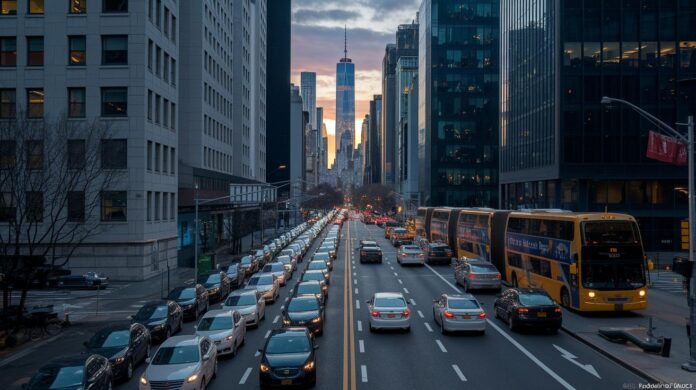

Ever wonder if a simple toll could clear up your morning drive? New York City’s congestion pricing plan puts that idea into action by charging drivers a flat fee to drive in Manhattan during rush hours. After a long, heated debate, officials set up this fee to cut down on the number of cars clogging our streets. Early results show an 11.1% drop in daily car entries. That means less gridlock and potentially quicker trips for everyone. Think of it as a filter that lets through only the cars that really need to be on the road.
NYC Congestion Pricing Plan: Structure, Zones, and Launch Timeline
For over 10 years, New York City debated a congestion pricing plan , starting as early as 2007. After lengthy talks in City Council and getting the needed laws passed, the plan finally kicked off last January. Officials worked through issues like fairness and traffic safety while promising to cut down on Manhattan’s gridlock.
City planners set clear boundaries for what they call the Congestion Relief Zone. This zone zeroes in on Manhattan’s busiest streets where traffic jams hit hardest. Experts expect around 140,000 vehicles to drive into this area each day. One mapping review even pointed out that the downtown zone map marks the most crowded entry points and key roads, making it easier for enforcement and planning.
The new system charges a flat fee during specific hours. Every time drivers enter the zone when the fee is in effect, they pay a set toll. Early steps in the rollout included putting toll devices at key intersections and locking down the schedule for when charges apply. The simple fee setup is designed to be clear for drivers and helpful for transit planners.
Impact of Congestion Pricing NYC on Traffic Flow and Commuter Behavior
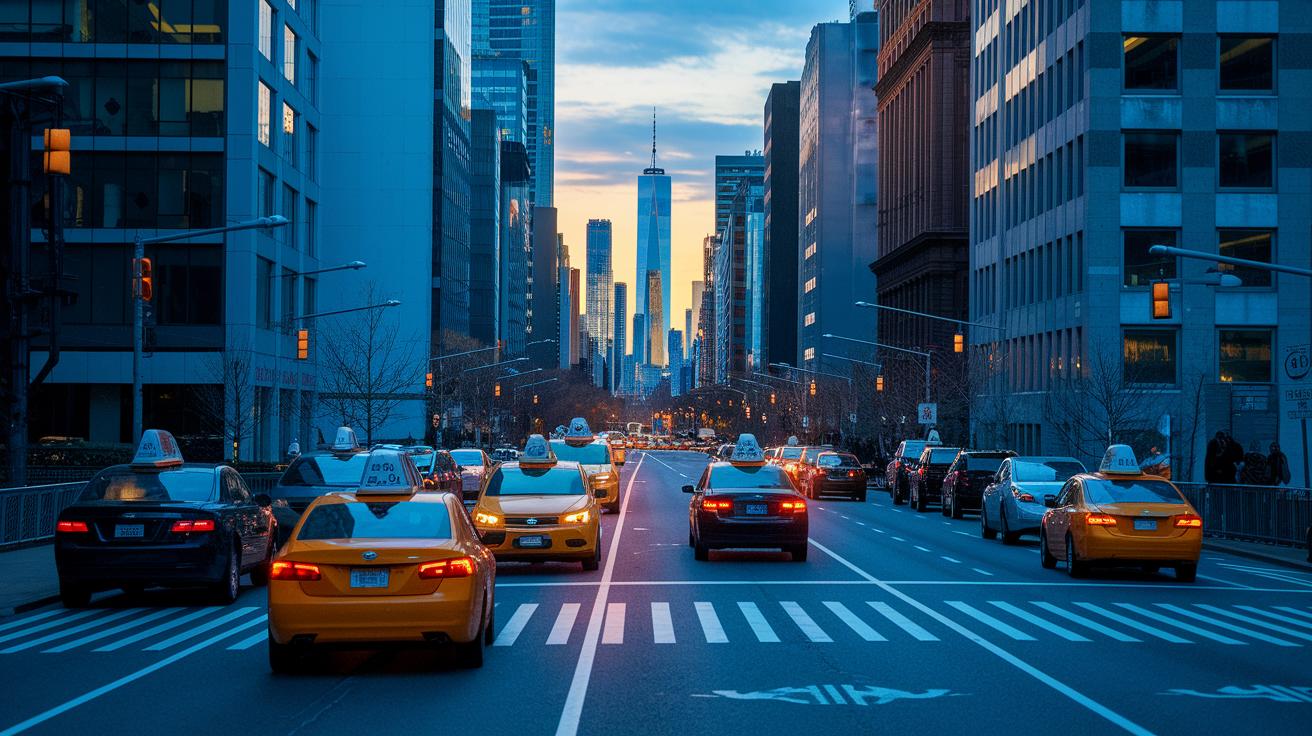
Traffic data from Uber, yellow cabs, and the MTA shows mixed results. The new congestion pricing has cut car entries by 11.1% compared to past levels. That means there is some progress in easing peak traffic, though overall travel speeds have only edged up slightly since last year.
Key points include:
- Daily car entries dropped by 11.1%
- Average speeds improved only a bit since last year
- Around 140,000 vehicles drive through the zone each day
- Outside factors are limiting the full benefits
Even with fewer cars coming in, problems remain. A strong car culture, cheap gas, and a trend toward larger vehicles keep some streets gridlocked. On top of that, a housing shortage in the center pushes more drivers into these busy areas, and more delivery services add extra cars. Many commuters now try different routes during rush hour, which means some streets see small gains while others still face heavy congestion.
Revenue Performance and Transit Funding through NYC Congestion Pricing
The congestion pricing plan has exceeded early expectations. In its first year, it collected about $638.77 million through November, a strong sign that New Yorkers support a more efficient city system.
Monthly net toll revenues came in around $50 million, which is roughly $10 million shy of the forecasted $60 million.
Every dollar that comes in goes directly to public transit. By law, all funds are used to improve services like buses and subways, helping to cut delays for daily commuters.
| Metric | Actual | Projected |
|---|---|---|
| Annual Revenue | $638.77M | $600M |
| Monthly Net Revenue | $50M | $60M |
Legislative and Political Context for NYC’s Congestion Charge
Local political leaders in Albany and City Hall supported the plan at first, saying it could ease gridlock and help pay for transit fixes. Transit supporters saw it as a way to update the city’s transport system, while some driver groups worried about extra costs. Early talks focused on making fee systems fair and figuring out exemptions, leaving many neighbors divided.
At the national level, the plan faced close scrutiny. The U.S. Department of Transportation ran a detailed review, made even tougher by a move from former President Trump to cancel federal backing. This step sparked more debate among lawmakers over legal challenges with fee systems. In short, officials had to balance boosting transit and environmental goals against concerns from everyday drivers.
Federal Challenges and Trump’s Directive
Former President Trump directed officials to pull federal support for the plan. Still, the U.S. DOT kept its review on track. Legal experts say the process is following its normal rules.
State and Local Legislative Debates
In Albany and at City Hall, lawmakers voted on changes like exemptions for certain vehicles. Meetings showed plenty of tension as they worked to balance the need for better transit with worries about added costs for drivers during the plan’s first year.
Future Timeline and Planned Toll Increases for NYC’s Congestion Pricing
City officials are planning toll hikes to help ease traffic and boost transit funds. They have set toll increases for 2028 and 2031. The changes come after careful data reviews that aim to balance revenue needs with the goal of reducing gridlock. Each increase should lift average travel speeds by 1 to 2 percent and add about $20 million to monthly toll collections. This approach is meant to keep up with changing commuter habits and ongoing traffic issues while paving the way for long-term transit improvements.
2028 Toll Increase Details
In 2028, tolls will rise by $3. The higher fee is expected to encourage drivers to choose less congested routes, and it should help make travel a bit faster. City estimates say this increase will bring in roughly $20 million each month, money that will help fund key transit upgrades and local mobility projects.
2031 Toll Increase Details
The next scheduled hike in 2031 builds on the gains made in 2028. This increase will further support transit funding and tackle more traffic challenges. City planners expect that this phase will keep travel speeds improved and provide steady revenue to support ongoing updates to NYC’s transport system.
Comparative Analysis: London’s Congestion Pricing vs. NYC’s Model
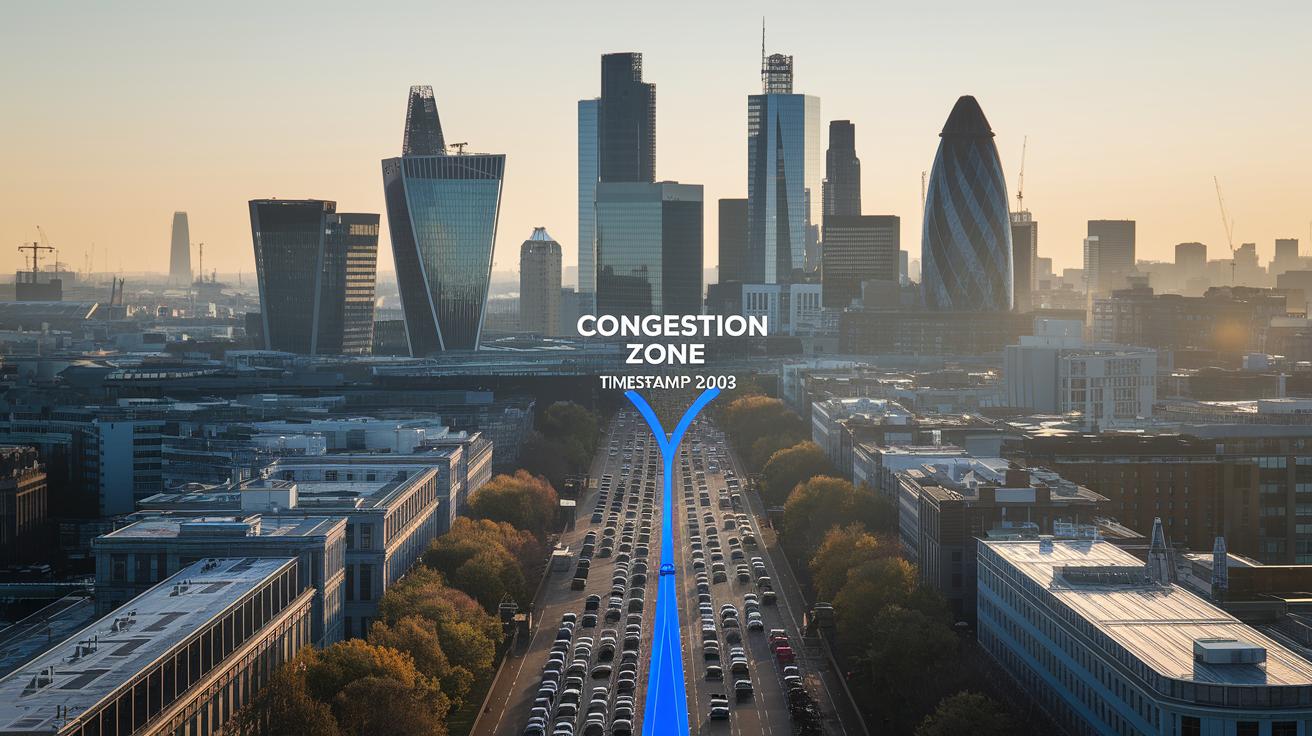
London started its congestion pricing in 2003. They charged drivers who entered the central zone. Soon, the city added extra rules for ultra-low-emission areas to fight both traffic and pollution. Over time, London has tweaked its fees and boundaries to match changing traffic and air quality needs. Every now and then, a fee bump helped keep cars moving, showing that small updates can keep a toll system working well.
London’s slow and steady changes are different from what New York City plans. London has fine-tuned its fees after careful checks of traffic and pollution data for many years. In contrast, NYC has announced planned fee hikes for 2028 and 2031. Both cities use toll money to help fund transit and ease traffic, but NYC is just getting started. This setup gives NYC a chance to watch, learn, and make smart changes as it goes.
New Yorkers can learn a lot from London’s story. It shows that regular fee reviews and careful tracking are key. But NYC also needs to watch out for drivers changing their routes or pushing back on the fees. Using data to guide changes and staying flexible can help NYC build a toll system that works for everyone.
Public Reception, Ongoing Criticisms, and Mitigation Measures in NYC
At first, many New Yorkers were upset about the new congestion pricing. Most of the critique came from drivers of older cars who felt the toll was an unfair extra cost. Protests were loud, with some groups taking to the streets to air their anger. Residents worried about higher travel costs and fewer ways to get around.
Over the past year, protests have dropped and the debate has calmed down. Community leaders and city officials say there are far fewer street demonstrations now. Many drivers who once spoke out now seem to accept the pricing as part of a broader push for urban improvements. This quieter mood has opened up space for more practical, neighborhood-level talks.
City officials have rolled out several steps to ease these concerns. They offer targeted exemptions and discounted rates for certain groups. They are also planning special curbside-pickup times to help small businesses and delivery services. Meanwhile, the transit community supports using some toll money to fix up subways and buses. These moves aim to keep public support while balancing drivers' needs with long-term city goals.
Final Words
In the action, the congestion pricing NYC plan shows a clear outline of its design, traffic impact, revenue outcomes and the political debates that shaped its launch. The program covers everything from fee mechanics and zone maps to future toll hikes and comparisons with London's model.
The approach highlights changes in daily vehicle counts and community feedback while funding transit improvements. The plan continues to refine its steps to keep streets safer and commutes smoother, setting a promising tone for future adjustments.
FAQ
Frequently Asked Questions
How does congestion pricing in NYC affect ride services like Uber?
Congestion pricing in NYC affects ride services such as Uber by applying a flat fee when these vehicles enter the designated zone during set hours. Ride services follow the same toll rules as private vehicles.
Is the NYC congestion pricing plan cancelled or still in effect?
The congestion pricing plan remains active. After many years of debate and receiving legislative approval, the program launched this past January and is currently enforcing the flat fee in the target zone.
When did NYC congestion pricing start?
NYC congestion pricing started this past January following a decade-long discussion and approval process. Its launch marked a new effort to manage traffic in Manhattan’s busy downtown area.
What information does the NYC congestion pricing map show?
The congestion pricing map details the boundaries of the Congestion Relief Zone in Manhattan. It helps drivers identify which areas incur the entry fee and guides route choices accordingly.
How does congestion pricing work for vehicles with and without EZ Pass?
Congestion pricing applies a flat fee for all vehicles entering the zone during operational hours, regardless of whether drivers use EZ Pass. Both systems measure entry and charge a fee once per day.
Is the NYC congestion pricing fee charged once a day?
Yes, the fee is charged once per day. Each vehicle incurs the charge only upon its first entry into the zone during the designated time frame.
How much is the NYC congestion pricing fee?
The fee is a flat-rate charge applied when entering the designated zone during operating hours. This structure aims to reduce traffic by encouraging drivers to consider alternative transportation options.
How is congestion pricing working in NYC?
Congestion pricing is showing results with an 11.1% drop in daily vehicle entries. Data from ride services and transit authorities indicates modest shifts in commuter behavior and local traffic conditions.
Can drivers avoid paying NYC congestion pricing?
Drivers can avoid the fee by steering clear of the designated Congestion Relief Zone during operating hours. Using public transit or choosing alternative routes are effective ways to bypass the charge.
Do drivers have to pay the congestion charge on Sundays?
The fee applies during set operating hours, which may not include Sundays. It’s best to check the official schedule from local traffic authorities to know if the charge is enforced on a particular day.