

Lower Manhattan Rebuilds Trust
Did you ever think one agency could change a community when things are really tough? After 9/11 shook Lower Manhattan, leaders set up the Lower Manhattan Development Corporation, LMDC, to rebuild more than just buildings. They wanted to restore trust and hope.
What they did was simple but powerful. LMDC rallied local business owners, fixed key roads and utilities, and created public spaces that remember the past while planning for tomorrow. Their work helped lift a hurting neighborhood and showed that change is possible even in hard times.
Today, the game is changing. LMDC is handing some duties over to state agencies. This article takes a closer look at LMDC’s roots, its impact on urban renewal, and what this shift might mean for our community.
Origins and Mission of the Lower Manhattan Development Corporation
After the 9/11 attacks hit Lower Manhattan, city and state leaders scrambled for a recovery plan. The destruction made it clear that the area needed a rebuild, not just of buildings, but of the community’s trust.
Local and state officials then created the Lower Manhattan Development Corporation to gather resources fast and lead the renewal. They built the agency to jump into action when the community needed help the most.
LMDC’s mission was simple: help Lower Manhattan bounce back while keeping its strong spirit alive. Using a clear plan, the group worked to boost local business, fix key infrastructure, and create community spaces that honored the past and paved the way for future growth. They mixed fresh ideas with hands-on projects to meet immediate needs.
At the start, LMDC joined forces with a wide range of local partners. City officials, state agencies, local businesses, and community groups came together to set priorities and strategies. They pooled funds, planned rebuild projects, and coordinated recovery work. This teamwork ensured that every effort was tuned to the real needs of residents and served as a practical plan for reviving a neighborhood still healing from deep loss.
Winding Down and State Absorption of LMDC Responsibilities
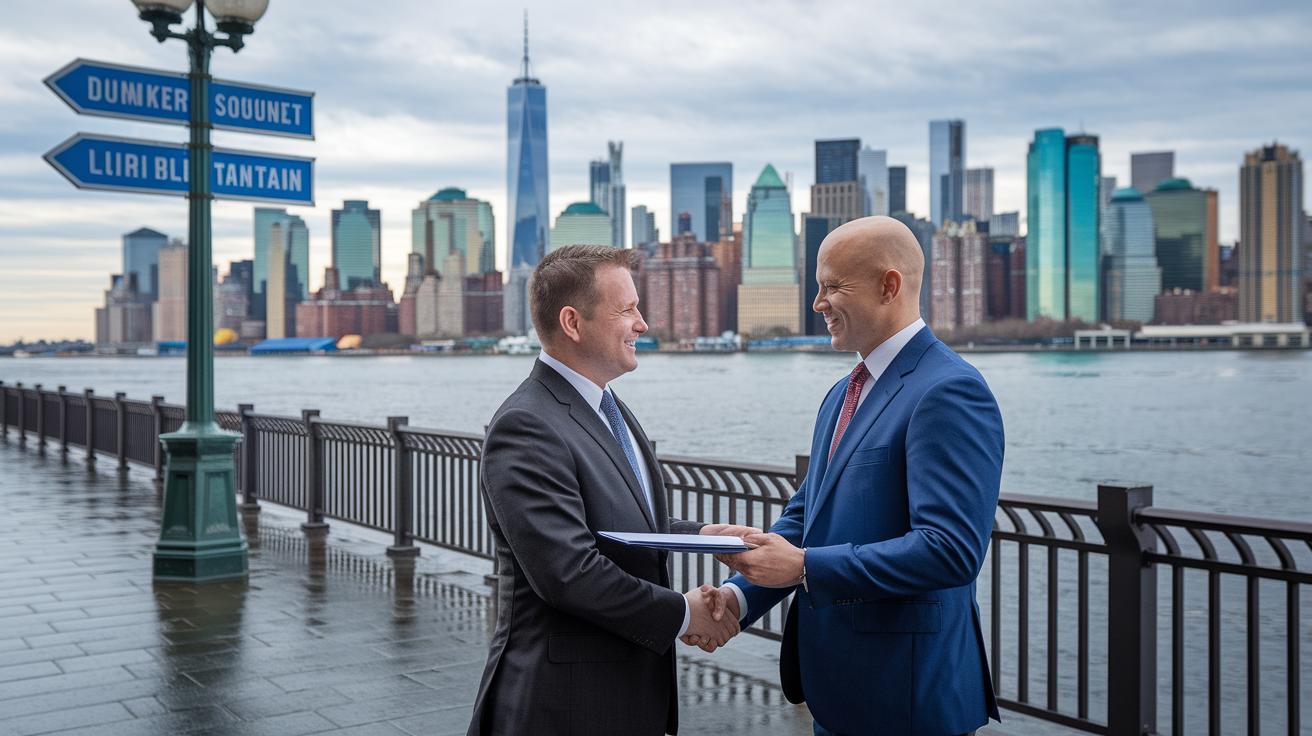
The agency is closing down over the next few months after reviewing its early progress and goals. The plan is to hand over its duties to state bodies smoothly.
Local leaders say that moving control to New York State will create a steadier plan for ongoing projects and cut down on overlapping work in Lower Manhattan.
State agencies will now handle LMDC tasks. They’ll take on work from planning developments to running community and business grants. This means tasks like community outreach, project coordination, and funding distribution will shift to established state departments. Officials believe this change will help streamline processes using proven city systems, which should boost the area’s long-term growth and recovery.
Many are watching closely. This move may lead to a more unified approach that changes how projects are prioritized and coordinated, opening the door for improved infrastructure and clearer plans for the neighborhood.
LMDC’s Post-9/11 Redevelopment Blueprint and Projects
After 9/11, LMDC got to work on a new plan to revive Lower Manhattan. City planners and recovery teams joined forces to create a straightforward guide for long-term rebuilding downtown. They used digital tools to map out project details and mark key areas for improvement. They looked at the damage, identified the neighborhood’s strong points, and planned steps that addressed today’s needs while preparing for tomorrow.
| Project Category | Description |
|---|---|
| Open-Space Improvements | Projects to build parks and public plazas that serve as community gathering spots. |
| Cultural Facilities | Efforts to create or update museums, theaters, and art centers that celebrate local heritage. |
| Infrastructure Upgrades | Work to improve transportation links, utilities, and public buildings. |
| Residential Grants | Programs offering funds to rebuild homes and provide affordable housing. |
| Commercial Revitalization | Initiatives to restore and upgrade local business areas with better design and amenities. |
Local voices played a big part in shaping the plan. Neighbors and community groups shared ideas in public meetings, which helped LMDC mix expert strategies with real-life suggestions. Their input led to a range of projects, from lively green spaces to cultural venues and vital infrastructure updates. This blend of professional advice and neighborhood insight keeps the plan rooted in what Lower Manhattan residents truly need.
Governance Structure and Public-Private Partnerships of the LMDC
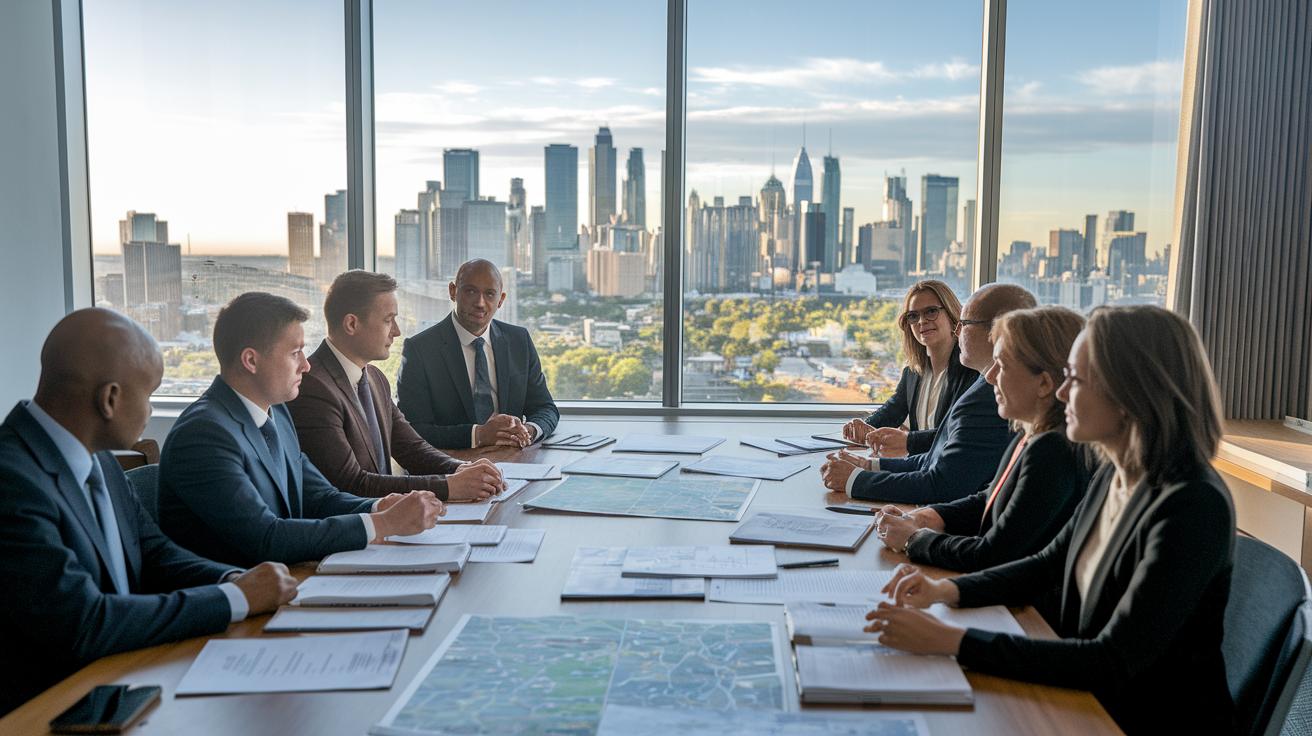
The LMDC board was created with clear rules and a set process for choosing members. City and state officials picked members for their local know-how and trust. Board members followed guidelines that tied their roles to real recovery projects. Even old pages mention a detail, "XR&CO'2008," which shows the version of HTTrack used to grab the site. This setup makes sure decisions stay open and clear.
The agency teamed up with private companies and public groups to solve local issues. Local businesses, cultural centers, and building experts joined forces. A strong example is the downtown planning work shown in Tribeca zoning updates. These partnerships pooled community ideas with expert skills to refresh neighborhood spaces.
LMDC got funding from many sources, including federal support and urban renewal grants. State money and private investments also helped lower the planning and building costs. Funds were directed to projects that upgraded public spaces and repaired aging infrastructure. This mix of funding helped LMDC push forward practical urban renewal.
Leadership, Key Figures, and Career Paths at the LMDC
Founding president David Emil led Lower Manhattan's recovery with clear, practical plans. He mixed urgent rebuilding work with long-term community needs, getting local leaders and residents on board with his vision.
LMDC's senior team brought together experts from urban planning, finance and local government. They worked side by side every day, pooling their skills to secure resources and push local projects forward.
The agency also opened new job opportunities in Lower Manhattan. LMDC not only managed major projects but also created roles ranging from project management to technical positions, letting locals join the effort to rebuild their community.
Legacy, Impact, and Future Outlook for the Lower Manhattan Development Corporation
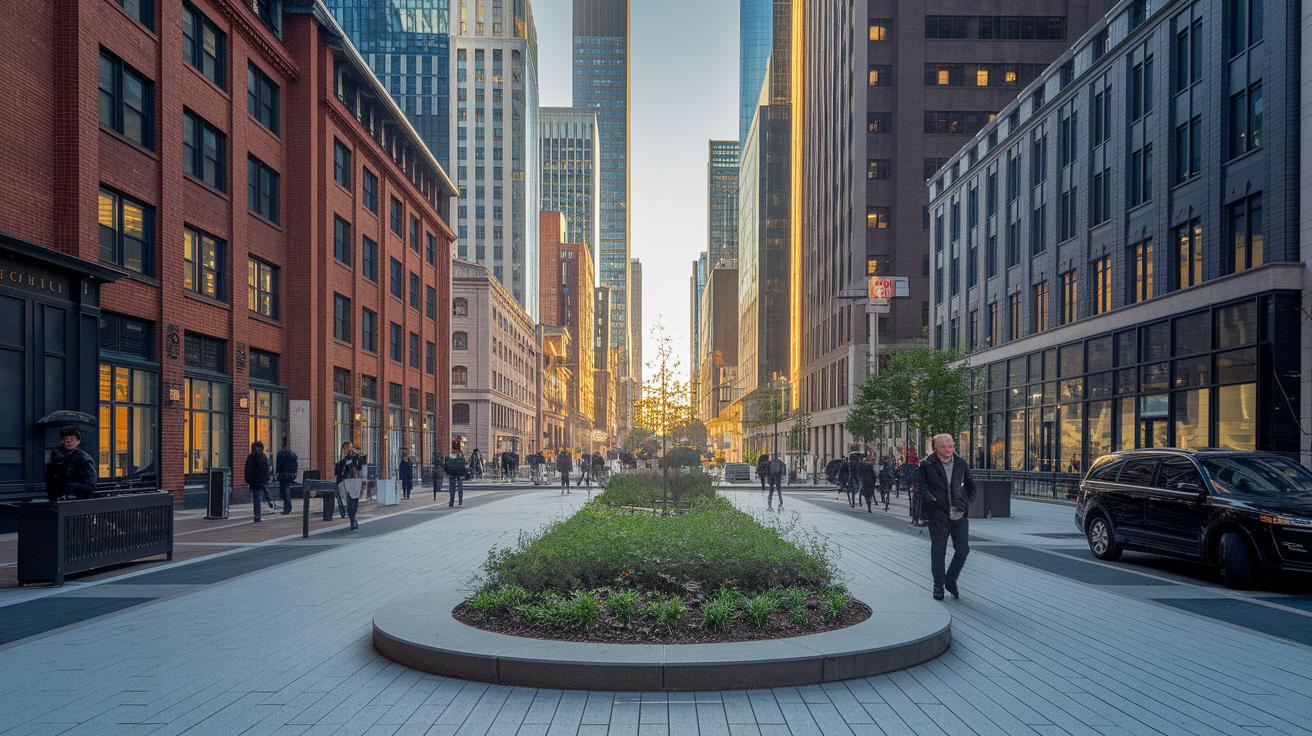
LMDC's projects have reshaped Lower Manhattan. They widened streets, refreshed parks, and improved public plazas that folks still enjoy. New building fronts mixed with updated infrastructure bring together old charm and modern looks. The city’s core now feels more open and welcoming, marking a real renewal.
These efforts boosted local business and job opportunities. Small shops bounced back thanks to fresh investment. Neighborhood events have become more common, helping people feel connected and proud of their community. This work has had a noticeable effect on the area's economic health.
State agencies have stepped in to take over LMDC's role. They are setting up plans for redevelopment, managing grants, and reaching out to the community. Their aim is to keep projects running smoothly and make services easier to access. This shift brings a new, hands-on approach to meeting local needs.
Looking ahead, Lower Manhattan faces challenges and bright prospects. State leaders must fix lingering infrastructure issues and rebuild trust. Plans for sustainable practices and more community input are on the horizon. Local residents and officials need to work together for a stronger future.
Final Words
In the action of Lower Manhattan’s recovery, the post showed how a dedicated agency emerged after 9/11 to boost neighborhood renewal. We tracked its initial mission, strategic projects, and the close ties it built with community leaders and local businesses. The narrative touched on winding down that now leads to fresh oversight by state agencies. The lower manhattan development corporation set many plans in motion that continue to shape our streets and services. Today, the focus remains on practical steps that keep our community moving forward with confidence.
FAQ
What is the Lower Manhattan Development Corporation?
The LMDC refers to the agency established after 9/11 to lead recovery efforts in Lower Manhattan, coordinating redevelopment plans and community projects to help rebuild the area.
What qualifies as Lower Manhattan, and how was it built?
Lower Manhattan generally means the southern tip of Manhattan, known for its early colonial roots and later evolution into a modern urban center. Post-9/11, agencies like the LMDC led key redevelopment efforts.
What redevelopment plans and projects did the LMDC manage?
The LMDC managed a range of projects, including updates to open spaces, cultural facilities, infrastructure, residential grants, and commercial revitalization, all aimed at revitalizing Lower Manhattan after 9/11.
Where can I find the LMDC address and project maps?
The LMDC address and project maps are available in public records and archived pages that show redevelopment zones in Lower Manhattan. Local government resources may also provide current location details.
What are LMDC UNFCCC and LMDC countries?
Mentions of LMDC UNFCCC and LMDC countries relate to its international references and partnerships. For accurate, up-to-date details, it’s best to check official records or credible archival sources.