

Ever felt a city decision was unfair? Article 78 NYC gives New Yorkers a way to push back when government choices seem off. If a city agency skips the proper checks, local residents and small businesses can ask for a fair look at the facts. Article 78 makes sure agencies stick to the rules and lets everyday people challenge decisions that fall short.
Understanding Article Seventy-Eight Proceedings in New York City
Article 78 gives people, local businesses, and other groups a way to challenge decisions made by city agencies. It applies when a decision seems random, lacks proper facts, or doesn’t follow the rules of fairness. Think of it like this: If an agency doesn’t have enough proof for its decision, the court can require them to review their process again.
The process is all about getting a court to look only at the documents and facts in the agency’s file. Petitions must explain clearly why the agency’s choice did not meet the legal standards. If the court agrees, it might overturn the decision, send it back for another review, or order a new look. This step only fixes the decision-making process; it does not include any money or extra penalties.
One important piece of this process is the deadline. Typically, you have about 60 days after the agency’s final decision to file your claim; in some cases, you might have up to 120 days. Acting quickly is key because missing this deadline means you lose your chance to bring the issue to court.
City appeals rely on clear, documented facts and solid legal information. In short, Article 78 offers a straightforward path to challenge government decisions with evidence, ensuring that everyone’s rights are respected.
Eligibility and Scope of Article 78 NYC Challenges
If you, your business, or another group feels hurt by a city agency decision, you can file an Article 78 petition. This legal route is for those who believe an agency didn’t stick to its own rules, wasted time, or made a choice without proper evidence.
Anyone affected by decisions from public bodies, tribunals, boards, or even some private groups that run by law can use this option. It helps New Yorkers keep an eye on government actions when the process isn’t fair.
Examples of decisions that can be challenged include:
- Denials by the Department of Social Services (DSS)
- Rulings from the Housing Authority
- Choices made by licensing boards
- Zoning and land-use decisions
To use Article 78, you need to show clear mistakes like not following proper steps or deciding without enough proof. This way, you can ask a judge to look over the administrative record, ensuring that decisions are made fairly and with real accountability.
Key Filing Requirements and Documentation for Article 78 Petitions
Notice of Petition
File your Notice of Petition at the New York State Supreme Court in the county where the agency made its decision. The Notice must show a clear case caption that lists the case name, the court, and what you are asking for. For example, you might start with: "The petitioner challenges the agency's decision for being arbitrary." A solid Notice sets the stage for your whole case.
Petition
In the Petition, clearly explain the legal reasons behind your challenge. Include these key points:
- A copy of the final agency decision.
- A clear list of the facts showing why the decision seems arbitrary or lacks enough evidence.
- A list of what you want to happen, such as canceling the decision, sending it back for more review, or asking for specific relief.
- A note on any procedural mistakes made by the agency.
For example: "Begin by laying out your factual claims – 'In this case, the agency missed providing critical evidence, leaving the decision without solid backing.'" This helps the court quickly grasp your claim.
Service and Affidavit
After filing the Notice and Petition, you must serve these documents to the agency involved and any other interested parties. You also need a signed affidavit to show the service was done properly. This affidavit should state how and when you served the documents, whether by mail or by hand. Serving on time is crucial; missing the deadline can lead to the case being thrown out. Also, include a copy of the administrative record or the transcript of the proceedings to back up your filing.
| Required Document | Description |
|---|---|
| Notice of Petition | Includes case caption and asks for specific relief |
| Petition | Lists legal reasons, key facts, and details what relief is requested |
| Affidavit of Service | Shows proof that the documents were properly served |
Deadline and Procedural Timeline of NYC Article 78 Cases
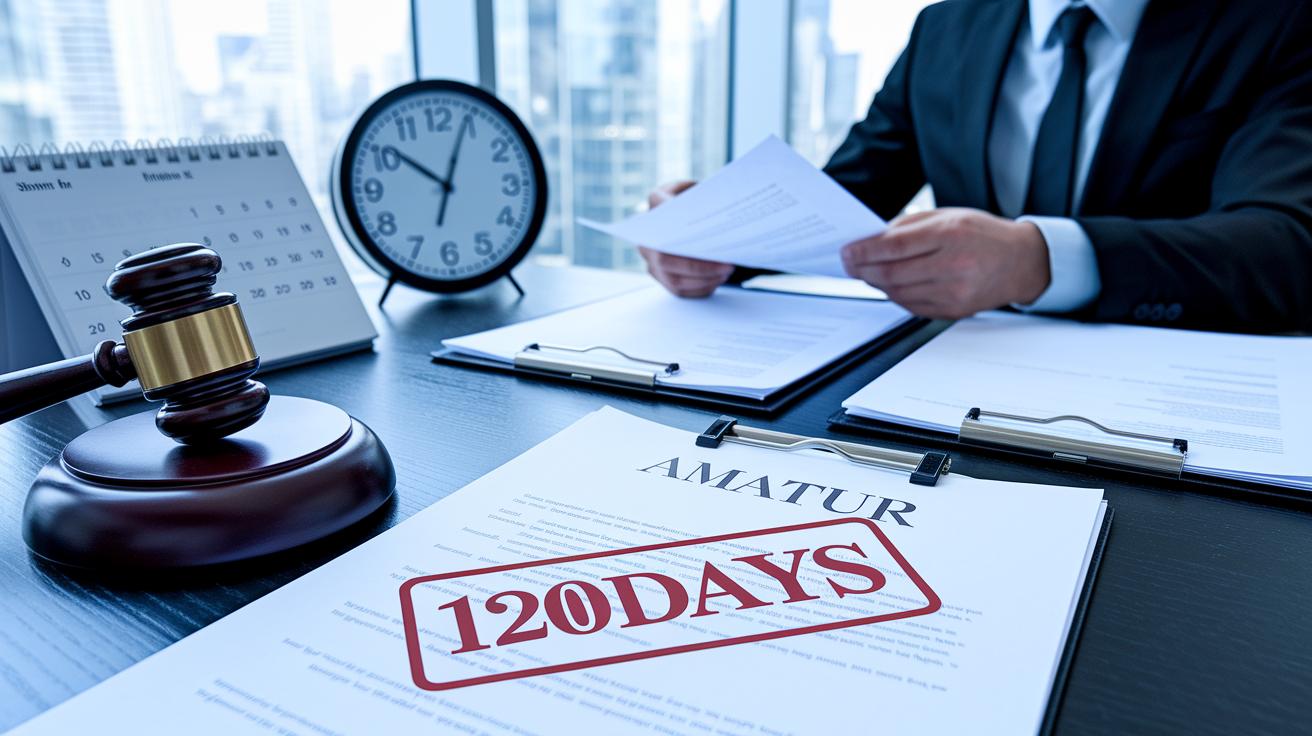
Filing an Article 78 petition has strict time limits. You usually must file within 120 days after the agency makes its final decision. In some cases, you only get 60 days, so be sure to act quickly. Missing your filing deadline can mean your case gets thrown out.
Once you file your petition, you have 20 days to serve the agency and everyone involved. After that, the agency generally has 30 days to respond, and you have 10 days after the agency's answer to file your reply papers. Each step keeps the process moving and gives both sides a fair shot to present their points. Following these deadlines is key to keeping your challenge alive.
| Stage | Deadline |
|---|---|
| Filing Petition | 120 days from decision |
| Service on Agency | 20 days after filing |
| Agency’s Return | 30 days after service |
| Petitioner’s Reply | 10 days after service |
Potential Outcomes and Remedies in Article 78 NYC Proceedings
Courts can overturn a city agency's decision when a petitioner shows that the process was flawed. A judge may send the case back to the agency for another look or schedule a new hearing. Sometimes the court will pause enforcement of the decision while it reviews the matter.
Most Article 78 cases are not about giving out money. They are focused on making sure agencies follow proper steps and base their decisions on clear facts. If a petitioner shows that the agency relied on weak evidence, a judge may remove that part of the record. But if the record is strong, the court is unlikely to change the agency's decision.
A judge can also order the agency to rethink its action or send the case back for more review with updated evidence and testimony. When an agency does not stick to its own rules, its decision may be canceled entirely. These remedies are meant to fix administrative mistakes, not to provide cash payouts. In this way, Article 78 works as a check on government choices, giving individuals and local businesses a way to challenge decisions that are not well supported.
Legal Counsel and Cost Considerations for Article 78 NYC Filings

You don't have to hire a lawyer for an Article 78 case, but many people find it smart to do so because the filing rules and paperwork can be pretty strict. A lawyer who knows local cases can help you spot the key issues and avoid errors that might cost you extra. If you’re not clear on legal fees, try calling the New York State Lawyer Referral Service at 1-800-342-3661. You might even start with a quick 30-minute consultation for about $35 to get your bearings.
Court fees typically run from $45 to $60. Keep in mind that there can be extra charges for things like serving documents and getting the official record. If you’re on a budget, fee waivers are available for low-income petitioners to help ease the cost.
Key financial considerations include:
- Comparing flat-fee arrangements to hourly billing.
- Factoring in extra costs for document requests and mailing.
- Weighing overall legal expenses against the potential benefits of contesting the decision.
Planning your budget is crucial. Deciding if you need professional legal help can save you time and lower the stress of dealing with the complicated review process. Many people agree that the peace of mind you gain from proper legal advice is well worth the expense.
Case Study: Successful Article 78 NYC Challenge
A recent case shows how one petitioner fought back against a DSS benefits denial using Article 78. The petitioner argued that the agency did not have enough evidence to back its decision. They handed in the petition within 90 days of the decision, taking full advantage of the allowed time.
The agency sent its report back in 28 days, keeping within the rules. The case then moved to the Supreme Court. There, the judge checked if the decision was arbitrary using the CPLR § 7803(3) standard. Over six months, the petitioner's clear evidence and quick moves led to canceling the decision.
Key takeaways include:
- Filing within the allowed time to get a quick review.
- Pointing out that the agency lacked solid evidence.
- Using the "arbitrary and capricious" standard to challenge the decision.
In the end, the Supreme Court scrapped the agency’s decision and sent the case back for a new hearing. This result helps build trust in the system and shows others facing similar issues that change is possible.
Final Words
In the action, we broke down the key points of Article 78 NYC. We looked at who can file a petition, what documents are needed, and key deadlines to meet. The guide also covered potential outcomes and legal help, even sharing a case study that shows these challenges in real life.
This article offers a clear picture of the process, giving you a head start on understanding your rights. Stay informed and ready to act, keeping your community strong.
FAQ
What is CPLR Article 78?
CPLR Article 78 is the legal path that lets you challenge city agency decisions when they are arbitrary, capricious, or lack supporting evidence, providing a way to seek judicial review.
What is the Nys Article 78 petition form?
The Nys Article 78 petition form is the document you file in New York Supreme Court. It includes a Notice of Petition and a detailed Petition outlining your legal claims against an agency decision.
How can I win an Article 78 case?
Winning an Article 78 case depends on proving that the agency decision is arbitrary, unsupported by evidence, or violates due process. Present a clear legal argument and submit your petition within the statutory deadlines.
What is an Article 78 proceeding?
An Article 78 proceeding is the process you use to ask a judge to review and possibly overturn decisions made by a New York City agency when those decisions seem arbitrary or unsupported by the facts.
How much does it cost to file an Article 78?
Filing an Article 78 generally costs between $45 and $60 in court fees, with extra costs for service and record requests. Fee waivers may be available for qualified low-income petitioners.
What is the Article 78 statute of limitations?
The Article 78 statute of limitations means you must file your petition within 60 to 120 days from the final agency action. This timeline depends on the specific legal requirements in New York.
What are the Article 78 proceeding requirements?
The Article 78 proceeding requirements include submitting a Notice of Petition, a detailed Petition, the final agency decision, the administrative record, and proof of proper service on the agency and interested parties.
How do I file an Article 78 in NY?
To file an Article 78 in NY, you must prepare all required documents, including your Notice of Petition and administrative records, and file them with the New York Supreme Court along with the necessary fees and proper service.
What is Article 78 in NYC DOE?
Article 78 in NYC DOE refers to using the judicial review process to contest decisions made by the New York City Department of Education if those decisions seem arbitrary or lacking in proper evidence.
What is the purpose of Article 78?
The purpose of Article 78 is to allow individuals or entities to ask a court to review agency decisions that appear arbitrary or unsupported by evidence, ensuring fairness and accountability in administrative processes.
What are common Article 78 challenges?
Common Article 78 challenges include disputes over decisions from agencies like the DSS, Housing Authority, licensing boards, and zoning bodies when actions are seen as arbitrary or not backed by substantial evidence.
What is local law 78 in NY?
Local law 78 in NY typically refers to specific municipal rules or procedures that affect administrative reviews. Always check current legal resources or consult a lawyer to understand its precise application.