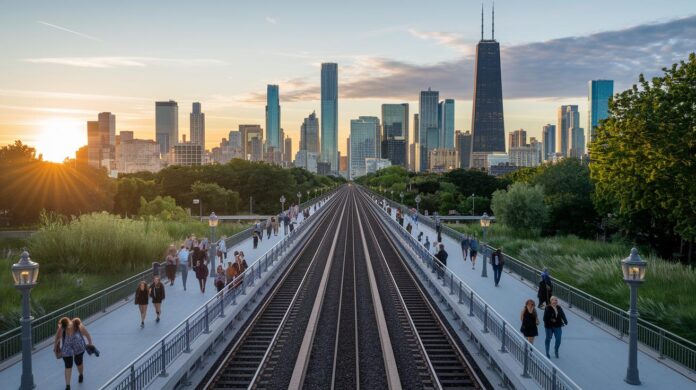

Have you ever wondered how a place once known as Death Avenue turned into Manhattan's green escape? The High Line in NYC shows how a dangerous, unused rail line became a favorite park thanks to community hard work.
This park mixes local history with modern style. It offers more than a simple walk. It reminds us that smart reuse and neighborly spirit can turn hidden corners of our city into urban oases where we can relax and reconnect.
Understanding High Line NYC: History, Route & Purpose
Once a rundown rail line called "Death Avenue," the High Line was saved from tearing down by neighbors fighting for its future. New Yorkers turned a dangerous stretch of unused tracks into a well-loved park. Before it became a popular public space, it earned the nickname Death Avenue because trains, trucks and pedestrians mixed together in a risky way. The park officially opened in June 2009, marking a major shift in how the city reuses old spaces. Later, an extension pushed the park further north, keeping its ties to local history.
The park runs for 1.45 miles. It starts at Gansevoort and Washington Streets in the south and continues up to 34th Street and 12th Avenue in the north. Along the way, it touches neighborhoods like the Meatpacking District and Chelsea and passes near landmarks such as the Javits Center. What was once an industrial rail line now offers a pleasant walk that shows off both city scenes and river views.
Turning this abandoned rail line into a free green space speaks to a bigger idea: bringing the community together and making the most of unused city areas. Today, the park features neat gardens, open lawns, art pieces, and quiet spots to relax while still nodding to its past. The design blends nature with urban views, giving locals a place to enjoy art, culture, and a break from the busy streets right in Manhattan.
High Line NYC Access Points & Route Guide
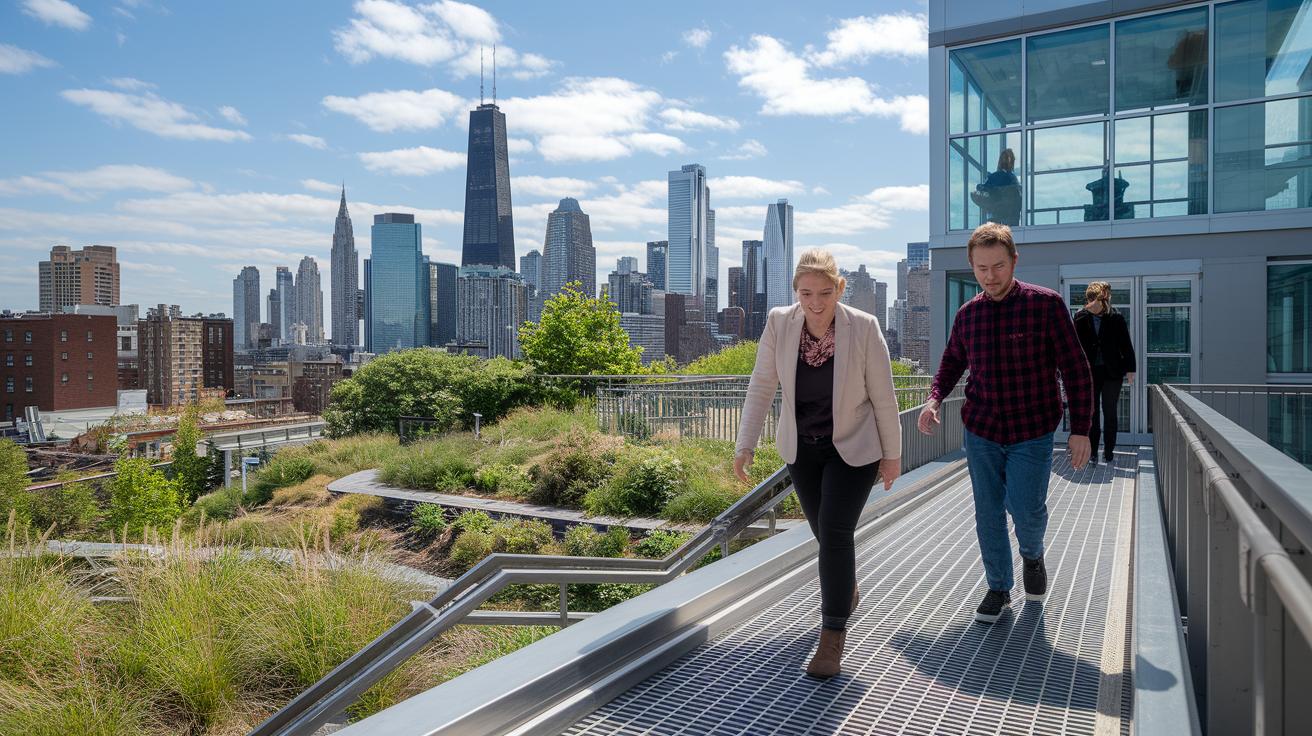
The High Line is a raised park that makes it easy for New Yorkers to relax and enjoy the city from above. It has many entry points with elevators, ramps, and restrooms to suit different needs. This way, everyone can start a pleasant walk anywhere from the south end to the Rail Yards.
At Gansevoort & Washington, right at the south end, you get an elevator, wheelchair-friendly ramps, and nearby restrooms. The 14th Street entrance has clear signs and simple access, perfect for a quick start. The 16th Street spot also offers an elevator and restrooms for those who need a little extra comfort. The 23rd Street entrance sits right in the middle, with benches and viewing spots to enjoy the cityscape. At 30th Street (Rail Yards), the ramps give you a fresh view of the park's history.
Use a park map to easily find these key points and make the most of your time at this unique urban oasis.
Design & Gardens on the High Line NYC
At the heart of the High Line, art meets nature in a way that only New York can deliver. The Tiffany & Co. Foundation Overlook sits where the rails once lay, offering clear city views that showcase the park’s fresh look. Nearby, the Chelsea Thicket is planted with native trees and shrubs that create a quiet spot, a little forest among the urban towers.
Along the Woodland Flyover, dense plantings form an almost secret escape right on old tracks. This careful design turns the space into a lively garden retreat that shows how old industrial lines can become green havens.
A bit further, 10th Ave Square welcomes visitors with a terraced lawn and comfortable seating laid out on the original tracks. Then there is the Diller-Von Furstenberg Sundeck, where wooden chaises and a seasonal water feature add a playful touch to your day. At Gansevoort Woodland, grasses and wildflowers finish the look, turning forgotten tracks into a series of welcoming urban garden rooms.
Every corner of the park mixes its rich history with a modern artistic vision, making the High Line a true urban retreat for everyone to enjoy.
Art Installations & Attractions on the High Line NYC
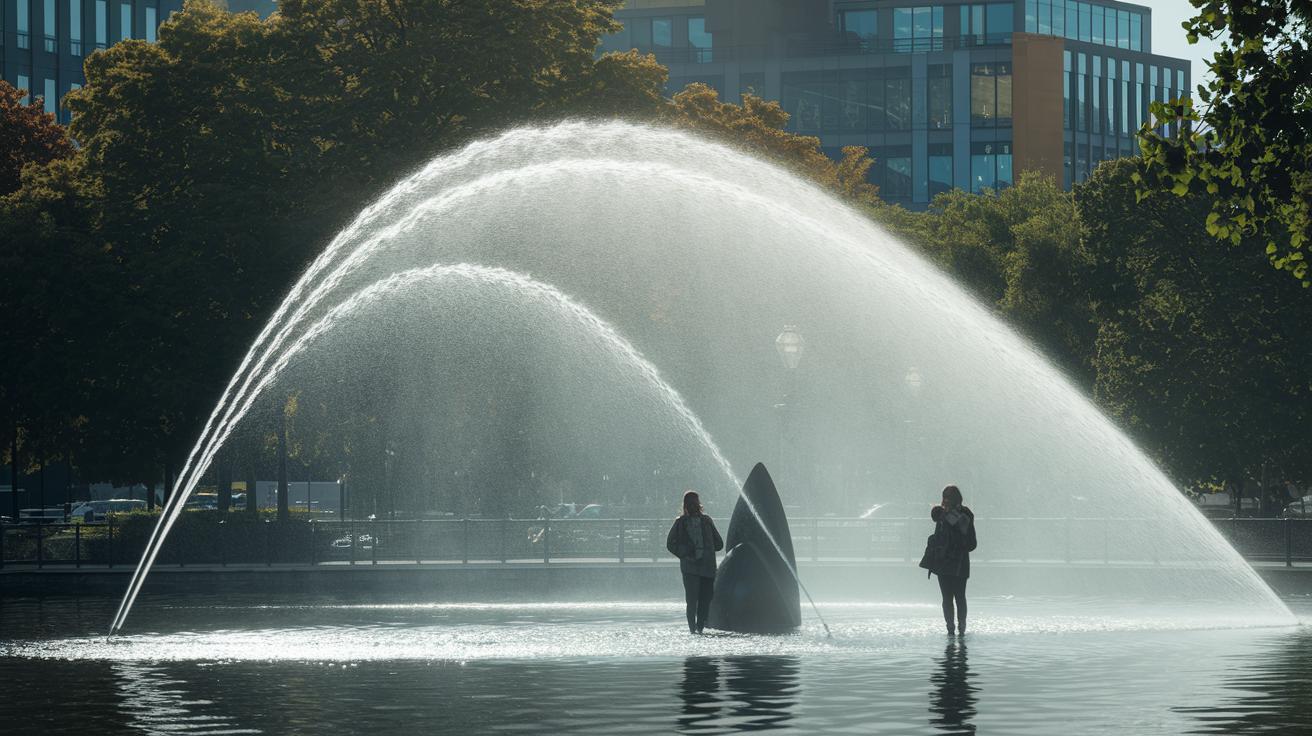
Walking the High Line is more than just a pretty stroll; it’s a place where art and city life blend together. Friends of the High Line updates the display often by bringing in sculptures, video pieces, live acts, and creative billboard art that brighten up the park. Each work honors the park’s new life and adds a playful vibe to your walk above the busy streets.
- Water-Spitting Sculpture: Near Chelsea Market Passage, local artist Jordan Lee created this piece that captivates visitors with its active display.
- Giant Pigeon: At the Rail Yards, artist Marco Rivera designed a big, whimsical pigeon that grabs attention with its bold size.
- Urban Reflection: At the Tiffany Overlook, Emily Santos set up this installation with reflective surfaces that mirror the city skyline, offering a fresh view.
- Rooftop Rhythm: Along the elevated path on 23rd Street, Lena Kim’s work captures the city’s sounds and movements in a solid form.
- Light & Shadow Play: In the middle of the park, Amir Patel crafted this piece to play with light and shadow as the sun moves.
Seasonal art updates keep the High Line constantly changing. Special events at the Tiffany Overlook and Rail Yards often showcase temporary exhibits that invite you back throughout the year. Live performances and video art also pop up regularly, giving both locals and visitors a fresh experience every time.
Visitor Info for High Line NYC: Hours, Tours & Amenities
The High Line is open every day from 7 a.m. to its seasonal closing time. In the summer, you can wander the park until 10 p.m. In spring and fall, it shuts at 9 p.m., and in winter, it wraps up by 7 p.m. This lets both early risers and night lovers plan their visit to match the vibe of the day.
| Season | Opening Time | Closing Time |
|---|---|---|
| Summer | 7:00 a.m. | 10:00 p.m. |
| Spring/Fall | 7:00 a.m. | 9:00 p.m. |
| Winter | 7:00 a.m. | 7:00 p.m. |
Free weekly guided tours take you through the park’s history and design. A docent explains how this urban space came to be, making it easier to appreciate its unique charm. There are restrooms at both the Gansevoort & Washington entry and at the 16th Street access. You’ll also find drinking fountains and plenty of places to sit, whether you choose a bench or the sundeck.
Keep in mind that only service animals are allowed, so leave your pet at home. Check out the signs and maps along the way to plan your route efficiently. With well-spaced access points, there’s a spot for everyone to relax, enjoy some art, and grab a view that only New York can offer.
Experience the High Line today.
Nearby Dining & Attractions Around High Line NYC
After a stroll on the High Line, you’ll find plenty of nearby spots to grab a bite and relax. Chelsea Market Passage, located in the old Nabisco factory, offers a mix of food stands and small shops where you can pick up a quick snack or something special. On 10th Ave, you’ll see pop-ups serving gourmet mac and cheese, and along 15th to 17th Streets, outdoor cafés invite you to enjoy a warm cup of coffee on a sunny day. These casual stops are great for recharging after walking above the busy city streets.
Just a short walk away, art galleries between 20th and 23rd Streets and a mix of bars and shops near the 23rd and 26th exits add even more to explore. You’re also close to well-known places like the Whitney Museum of American Art and the Javits Center, giving you even more reasons to mix good food with local culture. Here’s a fun fact: before it turned into a trendy parkway, the High Line was an unused rail line that brought new life to the neighborhood, much like these dining spots have brightened up local streets.
High Line NYC Events & Seasonal Highlights
Chelsea Market Passage houses rotating indoor art exhibits. These shows bring old spaces back to life as creative galleries. They honor the park’s journey from rail to park with temporary installations and video presentations.
Outside, you'll find sculpture displays that change with the seasons. These local art pieces tie the park’s storied past to its lively present. Every exhibit adds a fresh twist to the High Line's evolving vibe.
In the summer, free live music fills the evenings, drawing a mix of locals. Seasonal events like holiday shows and winter light displays boost the park's warm, community feel.
Each week, friendly guides lead tours that share the High Line’s history and design secrets. These walks explain how a forgotten rail line turned into a celebrated urban oasis. The ever-updating schedule means there's always something new waiting on your next visit.
Final Words
In the action, we traced the high line nyc’s journey from an old rail line to a lively urban park. We touched on its rich history, noted key access points, and highlighted standout design features, art installations, and nearby dining options. The article also offered practical details on hours, tours, and seasonal events. Your next visit to high line nyc promises a mix of art, nature, and community spirit, a true slice of what makes New York neighborhood life so unique.
FAQ
Are tickets required for the High Line NYC?
The High Line NYC does not require tickets for general entry, though some special events or guided tours may charge; it’s best to check online before you plan your visit.
Where can I find a High Line NYC map?
The High Line NYC map is available on the official website and at park entrances, helping visitors easily navigate access points and enjoy the park’s design highlights.
What events or displays are featured on the High Line NYC during Christmas?
The High Line NYC offers festive decorations, seasonal lighting, and art exhibits during Christmas that create a warm, neighborhood-inspired holiday atmosphere.
Are there apartments near the High Line NYC?
The area around the High Line NYC features modern apartments with attractive amenities and views, making it a popular choice for residents who value urban living near community spaces.
Where does the High Line NYC start and end?
The High Line NYC starts at Gansevoort & Washington Streets and stretches to 34th Street & 12th Avenue, passing through areas like Meatpacking and Chelsea.
How long does it typically take to walk the High Line NYC?
Walking the High Line NYC usually takes between 30 minutes to an hour, depending on your pace and how often you stop to enjoy the art installations and views.
Why is the High Line NYC so famous?
The High Line NYC is famous for transforming an old rail line into an innovative public park that blends art, urban design, and community gathering spaces in a unique setting.
Is the High Line NYC worth visiting?
The High Line NYC is worth visiting for its rich history, creative art installations, scenic views, and the opportunity to experience a vibrant example of urban park design in New York.