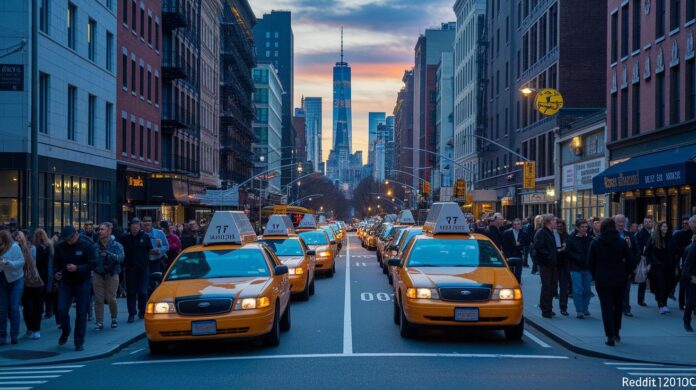

Think Manhattan is more than just tall buildings and busy streets. Beneath the modern skyline, each neighborhood hides its own history. In Lower Manhattan, on streets buzzing with activity, you can see signs of a past that still shapes the area today. In Uptown, creative corners remind us that art and history go hand in hand. Studies show that neighborhoods like Greenwich Village helped shape the city’s layout.
This guide shows how art, work, and old traditions mix to form the true spirit of Manhattan. Next time you walk your block, take a moment to notice the stories that make our city unique.
Manhattan neighborhoods explained: Captivating City Life
Manhattan has a deep history. It started as a mix of small hamlets like Greenwich Village and Harlem. In the early 1800s, these tight-knit communities set the stage for the bustling city we know today. Updated research as of June 25, 2025 confirms these ties to the past.
Today, the borough is split into clear districts. Commercial spots and cultural centers helped shape its layout over time. Our guide looks closely at Lower Manhattan’s landmarks like Battery Park and Wall Street, Midtown’s famous sites such as the Empire State Building, and Uptown’s cultural hubs including Lincoln Center and the Apollo Theater.
Every neighborhood tells its own story. What began as a handful of local communities grew into distinct districts marked by unique landmarks and busy street life. This overview shows how commerce, art, and history mix together to create Manhattan’s lively spirit, inviting you to explore even more.
Lower Manhattan Neighborhoods Explained
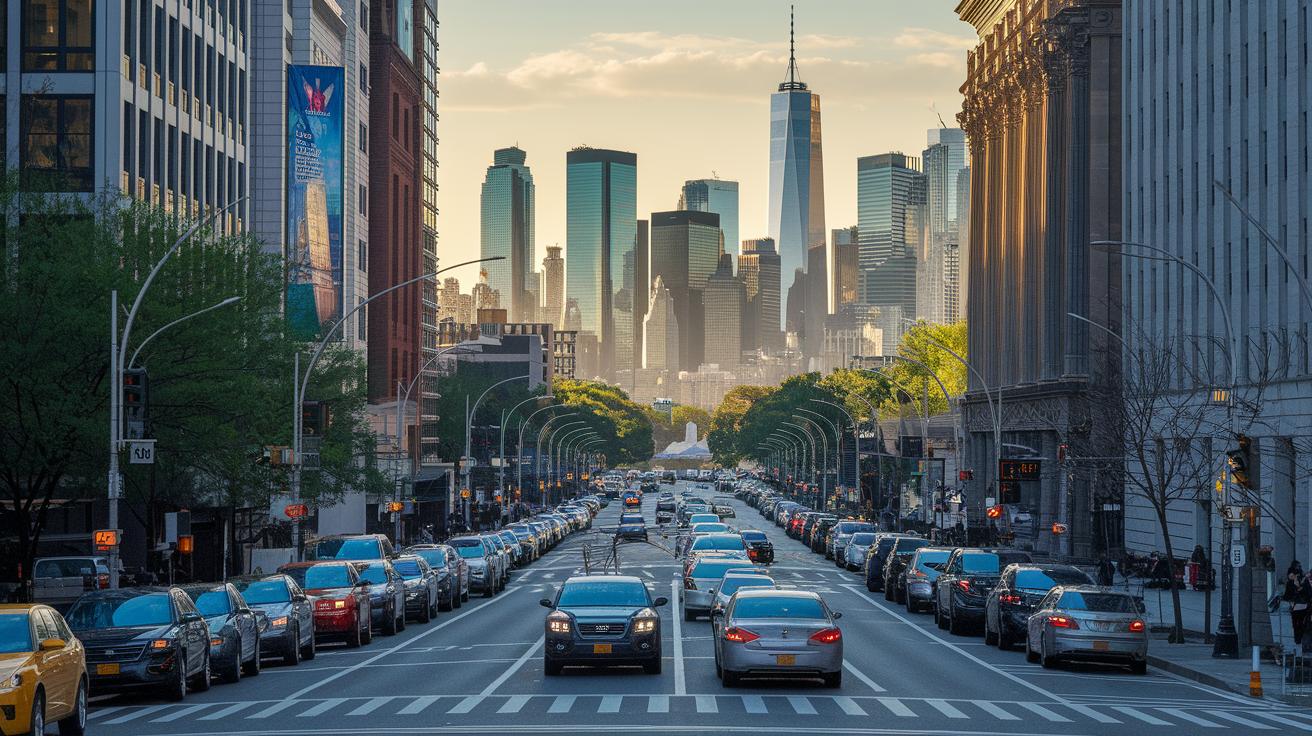
Lower Manhattan is at the southern tip of the island. It hosts well-known spots like Battery Park, Wall Street, the 9/11 Memorial, and the Brooklyn Bridge. These places remind locals of a time when trade and history were building blocks for the city.
The Lower East Side used to be one of the world's most crowded areas. Eastern European Jewish immigrants moved in during the 1840s, filling the streets with life and energy. Today, the Tenement Museum gives you a window into that past, where cramped homes and busy markets shaped daily life. Imagine walking down a tight alley where every building shares a story of struggle and change.
Just nearby, Chinatown started in the 1870s around Mott, Pell, and Doyers Streets. Over the years, it has grown into a lively maze of narrow lanes filled with authentic flavors and a tight-knit community vibe. This neighborhood holds onto its unique character even as it evolves.
Taken together, these Lower Manhattan neighborhoods blend history and modern energy, making the area a living mix of old traditions and new spirit.
Midtown Manhattan Neighborhoods Insight
Midtown is the beating heart of Manhattan's commerce. It features famous spots like the Empire State Building, Times Square, and Grand Central Terminal. The area mixes a busy business feel with pockets of residential calm.
At night, Times Square comes alive. Neon lights and billboards create a vivid, colorful scene that pulses with energy. This shows how Midtown draws both visitors and workers.
Midtown also blends old and new. Midtown East is home to the United Nations, luxury high-rises, and historic buildings all in one area. Hell's Kitchen, with its theaters and diverse restaurants, adds a creative touch. Plus, several subway and bus lines make it simple for New Yorkers to get around on foot.
Walking through Midtown reveals the city's true heartbeat. Commuters, locals, and tourists gather here, making it a lively hub. A brief stroll from one landmark to the next shows how the area balances busy business with everyday urban charm.
Manhattan Neighborhoods: Uptown Districts and Cultural Hubs
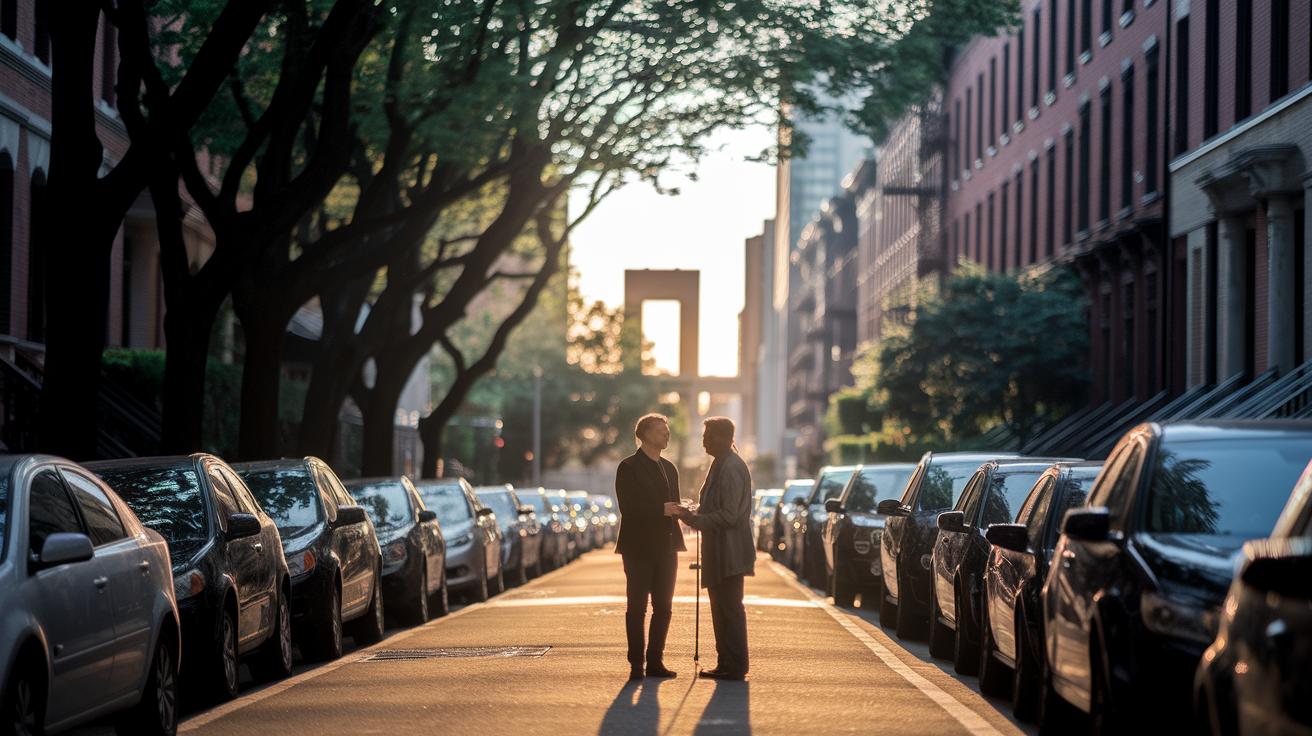
The Upper West Side welcomes you with tree-lined streets and classic brownstones. Here, history mixes with art and daily life. Lincoln Center puts on world-class shows while the American Museum of Natural History sparks curiosity with its vast exhibits. Riverside Park along the Hudson is a favorite for walkers and picnickers. Imagine jogging along the path and overhearing locals discuss the latest museum exhibit, it is exercise with a side of culture.
On the Upper East Side, the stretch from Fifth Avenue to the East River is home to Museum Mile. Landmarks like the Metropolitan Museum of Art and the Guggenheim highlight decades of creative growth. Elegant Park Avenue homes give the neighborhood an upscale feel, mixed with a rich past. Picture a stroll on Fifth Avenue where an art installation quietly recalls the time when these museums first opened.
Just north of Central Park lies Harlem, a vibrant center of African American culture. Starting at 125th Street, the Apollo Theater continues to spotlight new talent. Historic brownstones line the streets and each corner holds tales of music and spirit. Locals say, "Walking through Harlem feels like stepping into a living museum where every block has its own story."
Each uptown district brings its own mix of art, history and everyday life. Together, they form a timeless snapshot of New York City that remains ready to inspire the community every day.
Evolution of Manhattan Neighborhoods Explained
Manhattan started as a patchwork of small settlements that changed as business and trade grew. Neighborhoods like Harlem and Greenwich Village evolved from tiny hamlets into areas shaped by local work and culture.
SoHo clearly shows this shift. It was once full of warehouses and factories before becoming a hub for creative spaces. In the 1800s, factory buildings in SoHo turned into art studios. This change set off a trend in Lower Manhattan, where old manufacturing sites gave way to art galleries, lofts, and lively local spots.
Across the borough, industry shifts led to new builds and renovations. Each neighborhood built on its past while mixing in fresh ideas.
Manhattan Neighborhoods Explained by Transit and Walkability
Transit and walking routes shape daily life in Manhattan. In Greenwich Village, you can hop on the A, C, E, B, D, F, or M train to get to your favorite restaurants, shops, or work spots fast.
SoHo is a bit trickier. Its winding streets can feel like a maze, so many locals turn to their navigation apps. One local even got lost and ended up discovering a hidden coffee shop, proof that getting a little lost can lead to a delightful surprise.
Over in Midtown and Uptown, the subway system covers you well. You can easily walk to famous landmarks or quiet residential areas. Big avenues here are built for foot traffic, letting you mix a fast commute with a relaxed stroll. Key transit hubs make it simple for everyone to explore both well-known attractions and tucked-away local gems without always needing a car.
Cultural Highlights of Manhattan Neighborhoods Explained
SoHo bursts with creative energy. Art galleries and upscale boutiques line its streets. Walk around and you’ll see why locals love the mix of art and shopping.
Greenwich Village still holds onto its bohemian spirit around Washington Square Park. As you stroll through, you might spot street performers, tucked-away cafes, and friendly chats that keep its artistic legacy alive.
The East Village keeps its punk and hippie vibes strong on St. Marks Place. Graffiti, small music venues, and vintage shops add a raw charm that many find hard to resist.
Tribeca comes alive during its annual film festival. Screenings, pop-up events, and community celebrations bring neighbors and visitors together for lively, local fun.
Chinatown is a bustling hub for bargain shopping and real Asian cuisine. Narrow alleys filled with market stalls and family-run restaurants give visitors plenty to see, smell, and taste.
Each neighborhood adds its own flavor to Manhattan. Together, they create a colorful mosaic that shows off the city’s rich mix of art, food, and music.
Manhattan Neighborhoods Explained: Real Estate Trends
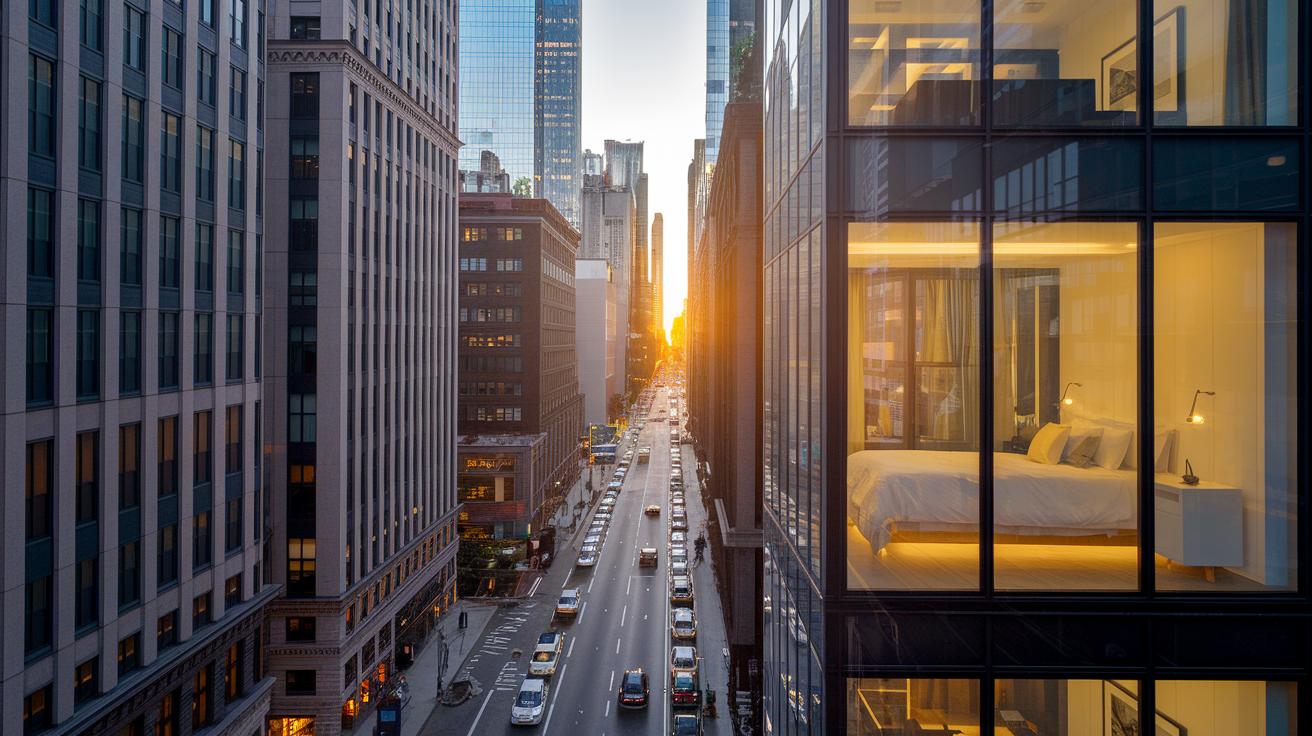
Manhattan's property market is constantly shifting. In areas like SoHo and Tribeca, one-bedroom apartments rent for about $2,200 up to more than $4,000. These numbers show there is strong demand in places known for art galleries, popular restaurants, and a buzzing city vibe.
In the Flatiron District, condo prices have jumped noticeably. Prices have moved from under $1 million to around $2.5 million. In some Flatiron buildings, residents now pay more for a smaller space than they did ten years ago. This change points to rising investor interest and a move toward modern living in repurposed historic buildings.
Over in the East Village, many younger renters still find affordable options. The neighborhood blends vintage charm with modern updates, giving newcomers a mix of character and value.
Landlords adjust rents and developers change designs to match new market needs. Local buyers and renters should keep an eye on these trends, as each neighborhood has its own growth and affordability pattern.
Overall, Manhattan's active market brings both chances and challenges. Staying informed about these shifts can help you make smart choices if you plan to live or invest in the city.
Visitor’s Guide to Manhattan Neighborhoods Explained
See Manhattan like a local with these easy, smart itineraries that highlight the city’s hidden charms.
Start your morning with a relaxed walk in Greenwich Village. Meet at Washington Square Park at 8:30 a.m. and drift into nearby streets to grab a coffee. Think of it like a little curiosity, remember when Marie Curie once carried test tubes in her pockets, unaware of what lay ahead? Find your own surprises along the way.
Plan some stops but leave room for spontaneous detours. Peek into tucked-away boutique shops in SoHo by turning down its narrow alleys. In Midtown, hop on a bus to avoid crowded subway lines. Walk through the Lower East Side and spot local markers that share the neighborhood’s story. In Chelsea, seek out a quiet art spot or a less busy part of the High Line for a peaceful break. And in Harlem, try a small music venue off the main drag for an up-close experience.
| Time | Activity |
|---|---|
| 8:30 a.m. | Kick off in Greenwich Village with a coffee at a local café |
| 10:00 a.m. | Head into SoHo to explore hidden boutique alleys |
| 12:00 p.m. | Take a bus from Midtown to Chelsea and stroll a quieter section of the High Line |
| 2:00 p.m. | Finish with a visit to a small music venue in Harlem |
Final Words
In the action, the article walked us through Manhattan’s rich history, key districts, and modern transit pathways. We saw how each area, from Lower Manhattan’s landmarks to Midtown’s busy corridors, shaped the city today.
The guide broke down real estate trends, cultural highlights, and visitor tips so you can navigate with ease. Stay tuned as manhattan neighborhoods explained some of NYC's best-kept secrets, leaving you with a clearer picture and a positive outlook on what’s next.