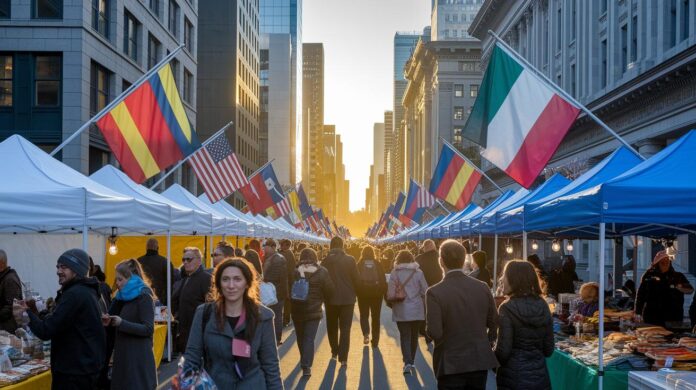

Ever wonder what makes New York City stand out? Our neighborhoods shine with traditions and voices from across the globe. Nearly 40% of New Yorkers come from different places, bringing with them unique customs, languages, and foods. Family-run markets and festive streets turn everyday corners into lively scenes. Each community blends old stories with fresh ideas, shaping the real character of our city.
new york city ethnic enclaves: Celebrating Vibrant Cultures
New York City is a true melting pot. Immigrants make up about 37% of the population. That means more than 3.1 million residents bring their traditions, stories, and flavors to the city. With over 700 languages spoken on the streets, the city buzzes with diverse voices and cultures.
Neighborhood enclaves are living reminders of community and shared history. They capture the essence of old traditions and new ideas, from traditional markets to modern fusion eateries. These areas keep ancestral stories alive while adding a fresh vibe to the city.
- Little India in Woodside is a lively spot where Indian, Nepali, and Tibetan traditions mix with everyday life.
- Chinatown in Manhattan and Flushing offers authentic cuisine and bustling street scenes.
- Little Poland in Greenpoint shines with Polish heritage through local events and festivals.
- Brighton Beach, often known as "Little Odessa," brings Russian and Ukrainian influences to life.
- Jackson Heights, sometimes called Little Colombia, serves up a mix of Latin cultures and delicious food.
- Crown Heights bursts with Caribbean flavor and festive celebrations.
- Little Italy in Lower Manhattan keeps Italian traditions alive with cozy cafes and annual parades.
These neighborhoods are key to New York City's character. They shape local businesses, events, and the daily life of the community, inviting everyone to experience the true heart of the city.
Historical Roots of the Big Apple Cultural Quarters
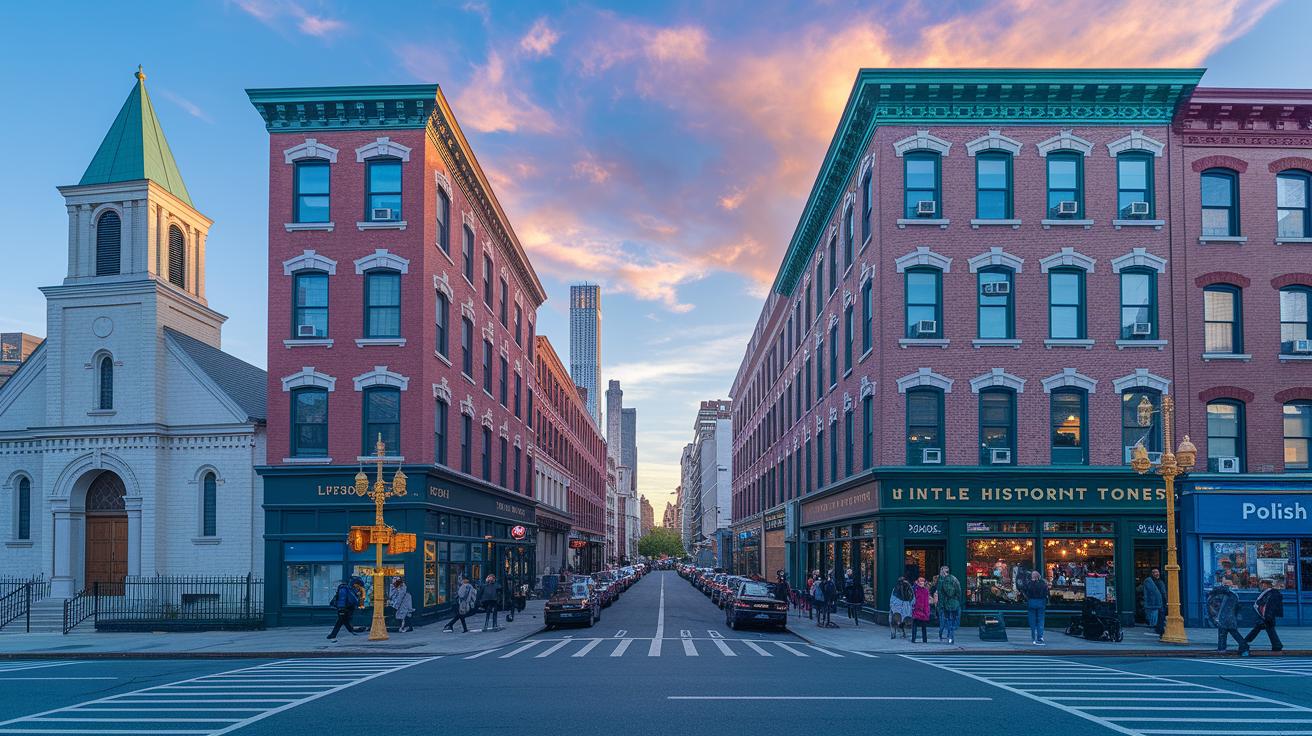
New York’s diverse neighborhoods did not appear overnight. Early waves of immigrants shaped the city we know today. Their arrivals turned simple blocks into lively cultural hubs that still tell our story.
Irish settlers came to Woodlawn in the Bronx after the 1840s Potato Famine. They built strong Catholic communities that stand to this day. In Lower Manhattan, Little Italy grew when Italian families moved in during the late 1800s, reaching its height by 1910. Over in Greenpoint, Brooklyn, Polish newcomers built what locals call Little Poland, a place rich with community traditions, local eateries and neighborhood landmarks. These areas quickly became more than just homes. They were safe spaces where languages, recipes and customs were shared among neighbors.
New groups have added their own chapters over time. In Harlem, a Little Senegal has blossomed along 116th Street in the past 30 years, filling the air with West African music, art and street life. In Midtown Manhattan, Koreatown started with small Korean shops in the 1980s and has grown into a vibrant district focused on food and retail. These later arrivals built on the strong tradition of community care, adding fresh energy to the ongoing story of New York City.
Geographic Mapping of Urban Diaspora Districts in NYC
New York's layout shows how city planning and transit routes shape ethnic neighborhoods. The subway lines and street grids link diverse communities, creating natural paths for cultural meet-ups and migration that have defined local life.
A look at Manhattan and Queens reveals spots where different cultures come together. In Manhattan, two Chinatowns and Koreatown, all clustered around West 32nd Street, spark everyday cross-cultural encounters. Over in Queens, neighborhoods like Woodside and Flushing sit along busy transit routes. A short walk here can take you from vibrant Little India to bustling Asian communities, all connected by historic rail lines.
Brooklyn and Staten Island tell a similar story. In Brooklyn, neighborhoods with Polish, Russian, Ukrainian and Caribbean roots line business areas that follow old migration trails. On Staten Island, a strong Sri Lankan community benefits from local planning that nurtures close-knit networks and keeps transit stops just a stone’s throw away.
Demographic Trends in Foreign-Born Community Sectors
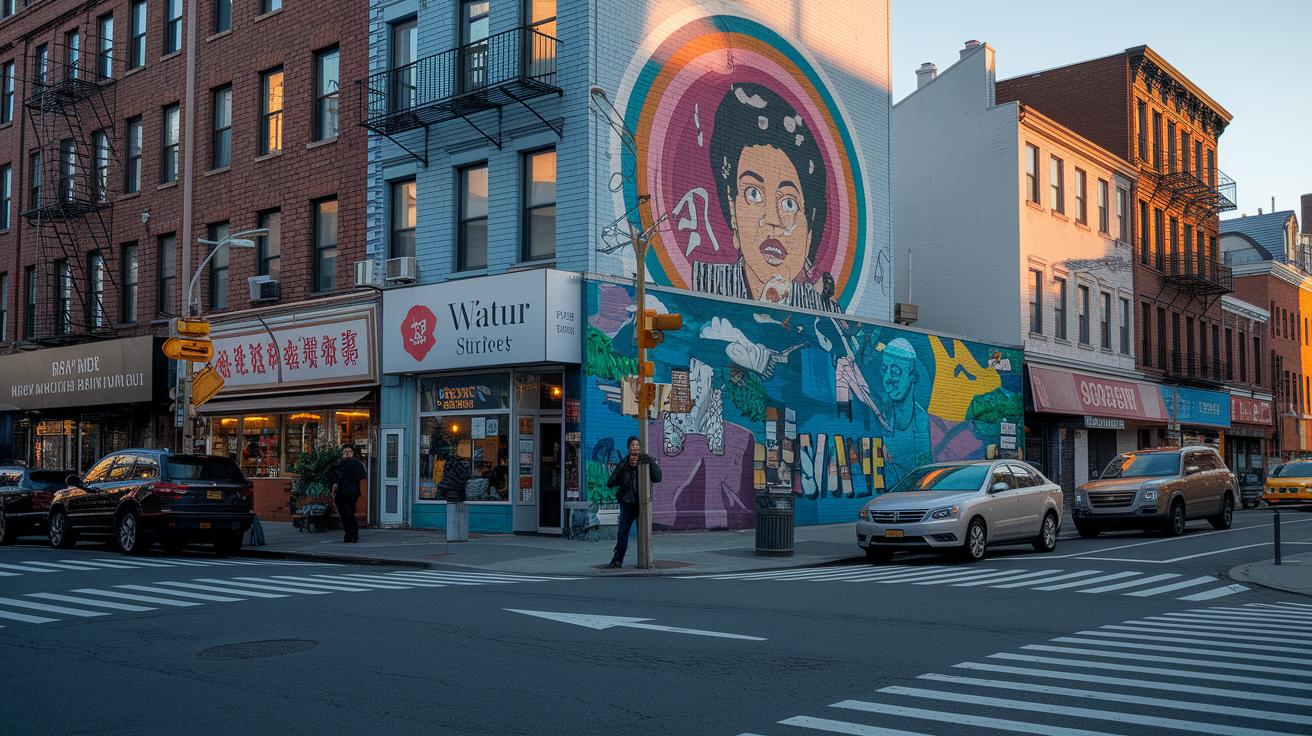
Immigrant communities are a big part of New York City. In 2019, more than 3 million New Yorkers, about 37% of the people in the city, were born outside the United States. This blend of cultures keeps our neighborhoods lively, from the local diners to the block parties. It also shows how the city keeps changing day by day.
Flushing, for example, has a strong Asian character. Roughly 70% of its residents come from Asian backgrounds like Chinese, Taiwanese, Korean and Indian. Over in Flatbush, the Little Haiti area has a noticeable Haitian presence, with Haitians making up more than 20% of its foreign-born community. And then there’s Greenpoint, which still proudly holds the second-largest Polish community in the nation. These numbers prove that every neighborhood has its own special mix of cultures.
Washington Heights has also seen big changes. A large Dominican community has made its mark here since the 1960s. Other areas are also welcoming new waves of immigrants who are influencing the food, shops, and even the languages spoken on our streets. This ongoing change refreshes the old face of our neighborhoods and adds new layers to the rich tapestry of New York City.
Community Events and Cultural Highlights in Immigrant Heritage Zones
Local festivals and cultural events bring New Yorkers together. They mix old traditions with modern life, giving neighbors a chance to share food, music, and art that tell the story of our diverse city. Street fairs and themed celebrations create friendly spaces where people connect and learn from each other.
Spring and summer light up parts of Queens and Brooklyn. In Woodside, Queens, there is an annual Diwali Festival and street fairs that showcase Nepali and Tibetan traditions. Meanwhile, Greenpoint in Brooklyn hosts a Polish Parade every spring. Locals and visitors enjoy Żubrówka vodka tastings, and nearby areas like Crown Heights and Bed-Stuy celebrate with a colorful Caribbean Parade featuring jerk chicken, spicy curries, and lively beats.
Even in winter, Manhattan and the Bronx keep the festive mood alive. Little Italy celebrates La Befana on January 5 with traditional sweets that echo a charming old-world feel. In Manhattan’s Koreatown, near the Empire State Building, late-night karaoke and K-pop pop-ups create buzzing social spots that blend heritage with today’s trends. These events show that immigrant heritage zones are always vibrant centers of cultural pride and diversity.
Case Studies of Ancestral Locales and Settlement Pattern Review in NYC Ethnic Enclaves
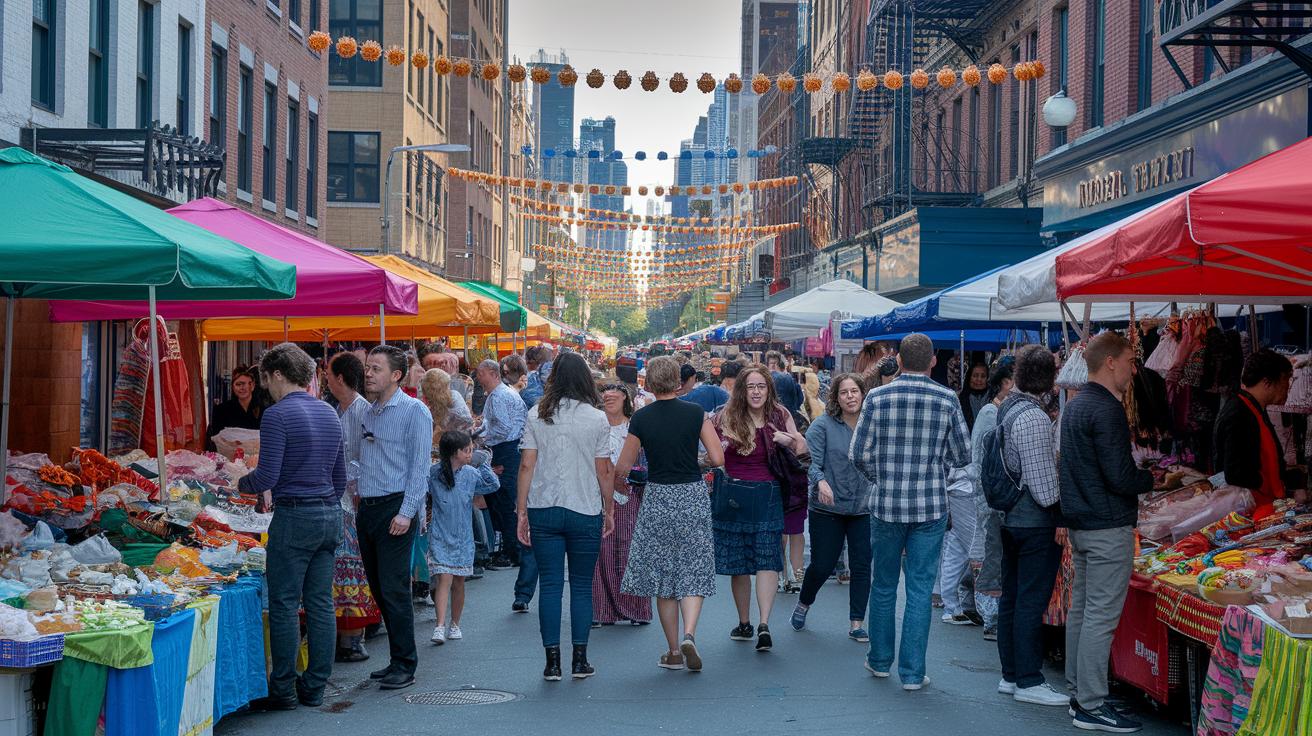
New York City’s immigrant neighborhoods share stories of hard work and community spirit. Each enclave started with families seeking a fresh start and has grown by blending old traditions with new ideas.
Little India in Woodside, Queens
Little India in Woodside spans 300 acres and bursts with life. In this neighborhood, 167 languages echo the voices of Indian, Nepali, and Tibetan families. Local markets, colorful festivals, and bustling street vendors show how old customs and modern influences mix on every corner.
Greenpoint, Brooklyn
Greenpoint has been nurturing a proud Polish tradition since the late 1800s. Today, community events and annual cultural parades keep that spirit strong. Longtime residents and local groups work together to protect the neighborhood’s history as new voices join the scene.
Brighton Beach, Brooklyn
Brighton Beach, often called Little Odessa, hosts one of the city’s largest Russian-speaking communities. Ukrainians, Uzbeks, and other Eastern European groups bring their rich traditions and a can-do spirit to the area. Here, lively commerce meets deep-rooted culture, showing how immigrant traditions continue to shape the city today.
Final Words
In the action, this post explored how new york city ethnic enclaves form the backbone of our urban life. We traced history and mapped the diverse communities from Little India to Little Italy. The blog broke down immigrant shifts, detailed key cultural events, and showcased everyday social hubs that keep our city moving.
Each piece ties together to show how local history vibrantly impacts now. Enjoy following these community updates as our neighborhood grows and thrives.
FAQ
How can I explore New York City ethnic enclaves online?
Searching online for NYC ethnic enclaves can involve checking Reddit threads, compiled lists and interactive maps that highlight neighborhood demographics and cultural markers.
What are ethnic communities in New York?
Ethnic communities in New York refer to neighborhoods where specific immigrant groups maintain strong cultural ties through language, traditions and local businesses.
What were immigrant neighborhoods in New York like in 1900?
In 1900, immigrant neighborhoods were close-knit communities formed around shared cultural roots, providing support and preserving the customs of new arrivals from Europe and beyond.
How is an ethnic neighborhood defined?
An ethnic neighborhood is defined as an area mostly populated by one cultural or national group, where residents share language, cuisine and cultural practices.
Do ethnic enclaves exist outside New York City in the US?
Yes, ethnic enclaves can be found throughout the US, where immigrant groups form communities that reflect their cultural heritage, much like in New York City.
What are NYC micro neighborhoods?
NYC micro neighborhoods are small, distinct areas within larger districts that feature a unique cultural identity, often evolving from historic ethnic enclaves.
What is the biggest ethnic group in New York City?
The biggest ethnic group in New York City is generally recognized as Hispanic, including large populations of Puerto Ricans and Dominicans that significantly shape local culture.
Who are the largest immigrant groups in NYC?
Large immigrant groups in NYC include Hispanics, Asians like Chinese and Indians, and European communities such as Italians, all contributing to the city’s diverse cultural mix.
What is the most ethnically diverse neighborhood in NYC?
Jackson Heights in Queens is known for its broad mix of ethnicities, hosting residents from Latin America, Asia and other parts of the world in one bustling community.
Which city is known for its ethnic enclaves?
New York City is celebrated for its many ethnic enclaves such as Chinatown, Little Italy and others, each representing a unique cultural slice of the city.