

Affordable Housing Plan Aims to Help New Yorkers
Mayor-elect Zohran Mamdani is pushing a new social housing plan meant to give working New Yorkers a safe and affordable place to call home. The plan uses a public option to add more housing, a nod to the city’s past efforts to solve housing problems through government action.
The fiscal year 2026 budget has set aside billions to fix up older buildings and create thousands of new units. This means that many neighborhoods across the city could soon see improvements that make living conditions safer and more affordable.
For many residents, these changes offer a fresh start and a real chance to settle into a more secure home. Stay tuned for updates as this strategy unfolds and brings lasting change to NYC neighborhoods.
NYC affordable housing policy changes Spark Optimism
Mayor-elect Zohran Mamdani is steering the city toward a fresh way to handle housing. She is backing a public-option social housing plan rooted in the city’s long history of government-led efforts to solve housing shortages. Think of it like historic public works that have changed neighborhoods before. For instance, just as past pioneers learned from risky beginnings, this plan draws on bold public investments to spark real change.
The FY26 budget shows this vision in action with $1.8 billion set aside for affordable housing. Of that, $1.5 billion will go to the Housing Preservation and Development (HPD) to build 4,000 new units, a 25% annual boost. Another $300 million is earmarked to update 2,500 units owned by the New York City Housing Authority (NYCHA) under the PACT program. The goal is to expand housing options and refresh older buildings for safer, more modern living.
Recent studies highlight why these changes are needed. Over half of the city’s affordable housing now runs at an operating loss. A proposed four-year rent freeze may worsen these struggles. Lawmakers face the challenge of balancing new spending with steps to keep existing properties in good shape.
The City of Yes for Housing Opportunity zoning reform, passed in Dec. 2024, is another key part of this plan. It is designed to add 80,000 new homes over 15 years and includes a 90-day pause on institutional investors buying one- and two-family homes. This measure should help maintain neighborhood stability and give individual buyers a fair shot. The overall strategy links smart infrastructure spending with the needs of local residents, aiming for a sustainable housing future in NYC.
NYC Affordable Housing Zoning Reforms Under the City of Yes Plan
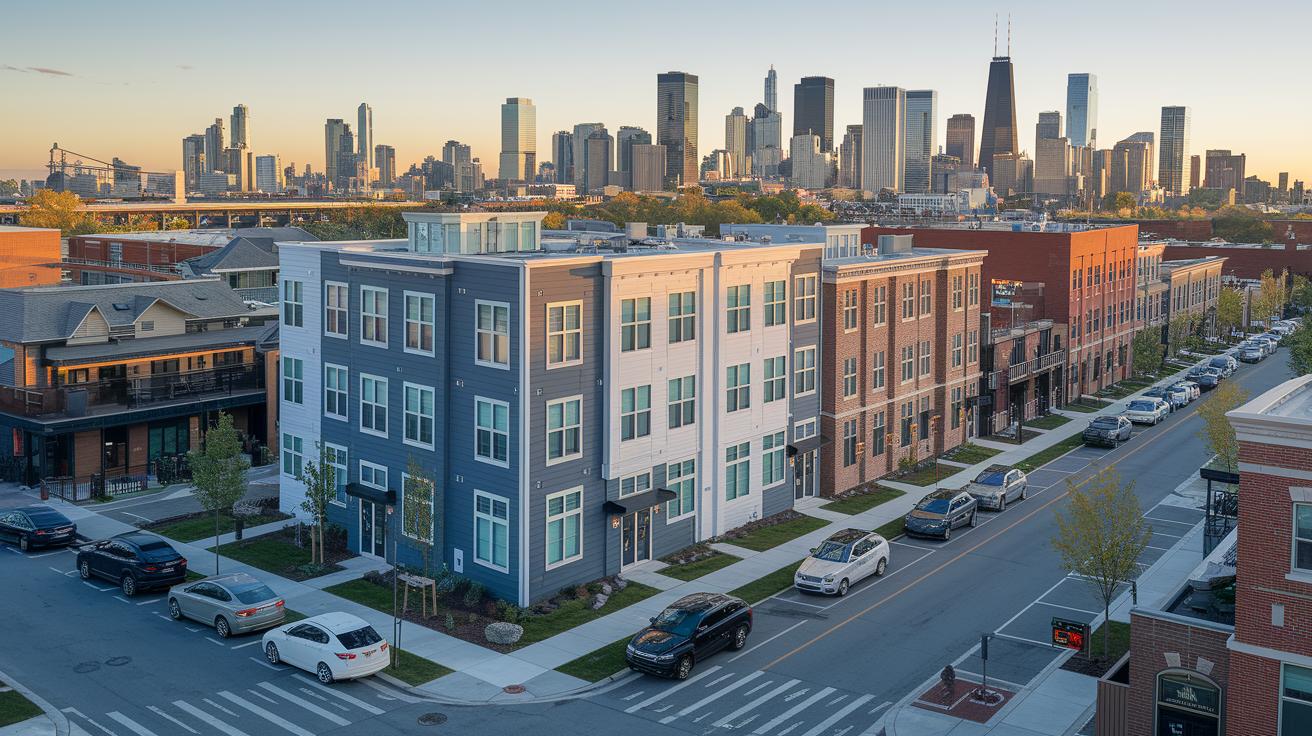
In Dec. 2024, the City of Yes plan was approved to add 80,000 new homes in the next 15 years. The plan makes it easier to build homes by legalizing accessory dwelling units (ADUs) in basements, garages, and backyards. It also lets old office spaces become apartments and gives a boost to building more homes near major transit stops. Governor Hochul is backing this move with a $1 billion state program, helping homeowners in Staten Island and Brooklyn build ADUs.
Key points include:
- ADU flexibility guidelines
- Extra density rewards near transit
- Options for converting offices to apartments
- State grants to support homeowners
These new zoning rules help property owners add extra living space without big hurdles. Builders get more chances to mix commercial and residential uses, which means projects can start faster in local neighborhoods. The easier approval process speeds up construction and sparks development near major transit lines. Overall, the changes support smart, affordable housing that fits well within the community, aiming to boost local investments and spark neighborhood-friendly home projects.
NYC Affordable Housing Funding Breakdown: $1.8B Investment and Beyond
City leaders are reexamining past funding rounds. They worry that an overemphasis on new construction might have left older public housing struggling to cover daily costs. Recent reports show that while big cash injections build new units, many older buildings still face money shortages. For example, one study noted that even well-funded new projects still need extra subsidies for upkeep, which raises long-term concerns.
HPD officials say that projects getting both construction money and operating support tend to do better over time. Local managers share that a balanced mix of funds has led to improved performance for several years. This debate over where to prioritize funds is now key in discussions about the FY26 budget.
For FY26, the plan sets aside $1.5 billion for HPD construction and $300 million for NYCHA PACT renovations. In addition, a $1 billion state appropriation will fund homeowner ADU grants under the City of Yes plan. These grants back smaller projects that create livable rental spaces.
| Funding Source | Allocation | Purpose |
|---|---|---|
| HPD Construction | $1.5 B | Build 4,000 new affordable units |
| NYCHA PACT Renovations | $300 M | Renovate 2,500 units |
| State ADU Grants | $1 B | Homeowner-led accessory dwelling units |
Homeowner and Buyer Implications of NYC Affordable Housing Policy Changes

City policy changes on affordable housing are already benefiting local homeowners and buyers. In parts of South Shore, Brooklyn and nearby New Jersey, converting spaces into rental units is paying off. In one case, a resident in Eltingville turned his basement into an ADU and now earns nearly $2,000 a month. Rental incomes in these areas are ranging from $1,800 to $2,500.
Less competition from big investors has helped keep home prices stable. This lighter investor presence makes it easier for everyday buyers and sellers to find a fair market. Local examples show that careful policy tweaks can put real cash in your pocket while keeping neighborhoods balanced.
NYC Affordable Housing Policy Changes and Their Impact on Renters
Many of New York City's affordable housing sites are now struggling financially. More than half are short on funds, which puts future maintenance at risk and threatens their long-term outlook. City officials are weighing policies to help cover operating costs while keeping rent-stabilized units within reach.
Proposed fixes include measures to boost revenue and cut expenses so buildings can avoid defaulting. This plan has become more pressing as a potential four-year rent freeze looms, a move many experts worry might worsen the financial gap. At the same time, a review of rent stabilization rules could extend tenant protections by tweaking income cutoffs to better support low-income families. This approach could shield renters from steep increases while keeping buildings in good shape.
Balancing tenant rights with building health is a real challenge. City leaders are trying to craft a plan that protects rent-stabilized residents without deepening the financial troubles that might lead to fewer units. Some experts warn that too-strict rent control could backfire, reducing both the quality and the number of affordable homes. The coming months will show how these changes impact the lives of subsidized and rent-stabilized tenants across the city.
Challenges and Future Outlook of NYC Affordable Housing Policy Changes

City leaders face many challenges as they roll out and adjust new affordable housing rules. They plan to keep a close watch on project delivery and cost targets to make sure every dollar goes to real help for our neighbors. Experts say that rising construction costs might stretch budgets and force quick changes in funding plans.
Boosting our infrastructure is a key goal. Officials want to keep maintenance standards high while cutting energy use in public housing. They’re upgrading systems and changing guidelines to meet tougher rules even when funds are tight. Local experts agree that careful monitoring of these updates is crucial to avoid service hiccups.
Studies on spending, paired with rule checks, will give the essential data needed to see how well current laws work. These reviews will show where changes are necessary and could lead to better laws that match shifting market conditions. In the next few years, detailed research will help guide improvements in affordable housing policies, making sure every change benefits New Yorkers all across the city.
Final Words
In the action, the blog laid out major shifts in legislative proposals, zoning reforms and funding streams that are reshaping our community. NYC affordable housing policy changes are at the heart of these updates, influencing everything from ADU conversions to stricter market rules.
Funding details, homeowner opportunities and renter safeguards were all covered. The discussion gives a clear look at how state, city and local efforts are working together. Stay informed and engaged as the neighborhood moves forward with practical, positive change.
FAQ
What is City of Yes NYC?
The City of Yes NYC is a comprehensive plan that reworks zoning rules and funding to boost affordable housing. It promotes more construction, supports ADU development, and limits investor purchases on smaller homes.
What does Yes on affordable housing NYC mean?
Yes on affordable housing NYC means supporting policy changes that increase housing availability and update zoning to give residents more options. It backs new builds, ADUs, and local improvements.
What does the City of Yes zoning map show?
The City of Yes zoning map shows designated areas for new housing projects and higher density near transit stops. It highlights how and where zoning changes allow expanded buildable capacity.
What are the City of Yes FAR changes?
The City of Yes FAR changes refer to adjustments in floor area ratios that let developers add more buildable space to projects. These changes aim to create room for additional affordable units in key areas.
What does City of Yes for Housing Opportunity encompass?
City of Yes for Housing Opportunity encompasses zoning reforms to deliver 80,000 new homes over 15 years. It also includes a ban on institutional investors buying single- and two-family homes to help individual buyers.
What is the City of Yes Zoning Resolution?
The City of Yes Zoning Resolution is the set of updated rules that governs land use. It streamlines processes for new housing developments, supports ADU construction, and increases density near transit hubs.
What does the NYC housing plan involve?
The NYC housing plan involves a $1.8 billion commitment for affordable housing. This includes funding for building 4,000 new units and renovating public housing, aiming to improve living conditions and access.
How is City of Yes receiving criticism?
City of Yes criticism centers on concerns about balancing new construction with the upkeep of existing affordable housing. Stakeholders worry about operating deficits and the potential market impact on local home values.