

NYC City Hall: Bridging Past and Present
Ever wonder how a building with over 200 years of history looks today? NYC City Hall sits at 260 Broadway in Lower Manhattan. It stands as a link between our past and present.
What You Need to Know
This famous building is home to the Mayor’s office and the City Council chambers. It has been a key part of New York's story for centuries.
Why It Matters
If you’re planning a visit or just curious about the secrets of City Hall, you can find details about hours, the exact location, and rules for entering. It’s a chance to see a piece of history that still shapes our city today.
Exploring NYC City Hall: Location, Hours & Visitor Essentials
NYC City Hall sits in Lower Manhattan's Civic Center at 260 Broadway. For over 200 years, this building has been key to running the city. It houses the Mayor’s office and City Council chambers. It’s a designated city landmark and a national historic site that shows how New York’s government has grown.
Getting here is simple. Many subway stations and bus routes serve the area. City Hall is open from Monday to Friday, 9:00 a.m. to 5:00 p.m. It stays closed on weekends and public holidays to keep the building safe and in good shape.
You must go through bag checks, and a photo ID is needed to enter some parts. To speed up your visit, try not to bring big bags or extra items.
Visitor Guidelines:
- Open Monday–Friday, 9:00 a.m.–5:00 p.m.
- Mandatory bag screening and valid photo ID required.
- Easily reached by several subway lines and local buses.
The Historical Legacy of NYC City Hall
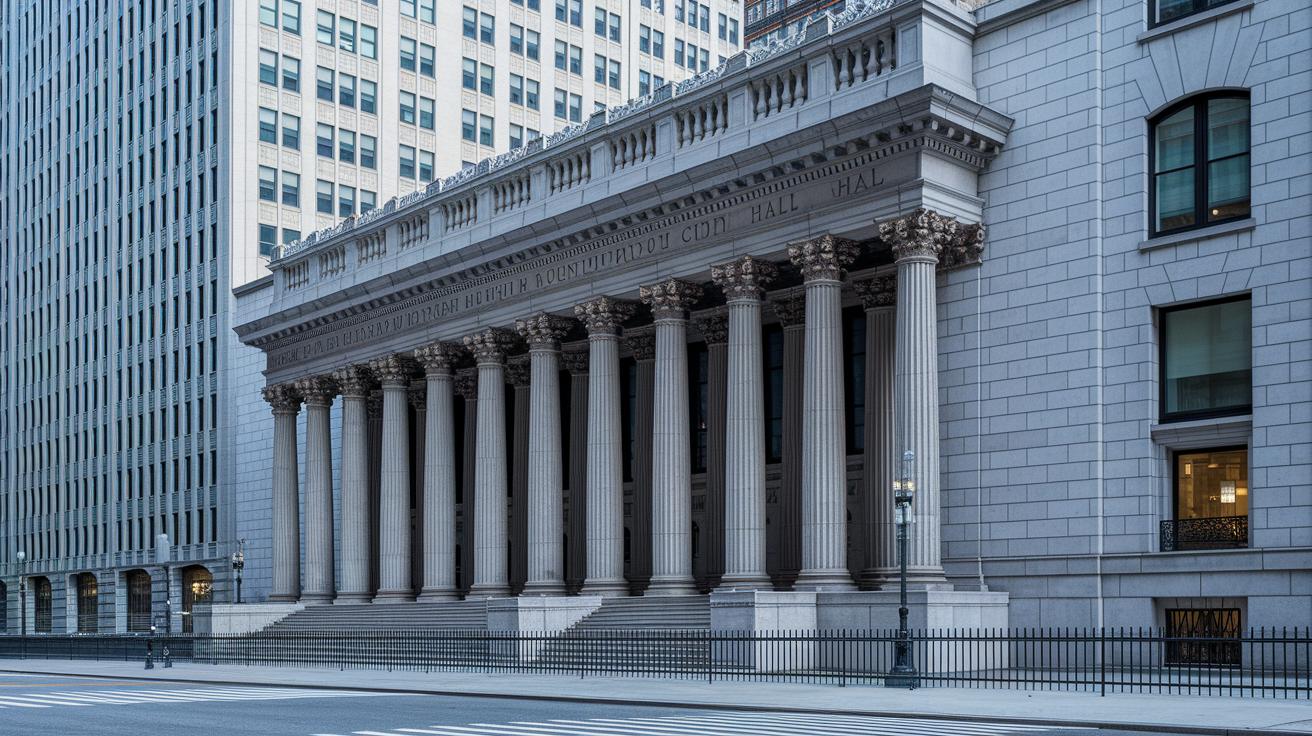
Built in 1811 by John McComb Jr. and Joseph François Mangin, NYC City Hall was born from an 1802 design contest that set the stage for our local government. It has served as the seat of municipal power since 1812, making it the oldest city hall in continuous use in the country.
Right next to the Manhattan Municipal Building, City Hall stands as a reminder of New York's long history. Its classic look and careful details tell the story of a city finding its way. Back in 1802, a design contest sparked ideas that would shape a building enduring for more than two centuries.
Today, NYC City Hall still shows its timeless charm. Visitors walk in and see a living piece of history that connects old ideas with today’s government work. This landmark not only anchors New York’s past, but it also helps guide our city into the future.
Design & Construction of NYC City Hall
New York City Hall was built between 1803 and 1812 by John McComb Jr. and Joseph François Mangin. Finished in 1811, this early Federal-style building set a benchmark for later neoclassical government projects across the city. Its sturdy stone walls and balanced layout still speak to the strength and care of early 19th-century construction.
The architects kept things simple and refined. They built a structure that was both useful for government work and pleasing to the eye. The solid stone exterior shows off the building’s durability, while the clear, straight lines let visitors know it was designed for public service. Today, the work done on City Hall still influences how we design civic buildings.
Key design elements include:
- A strong stone exterior built to last.
- A balanced, symmetrical layout.
- Federal-era details that give a nod to local pride.
- Neoclassical touches that have shaped modern government design.
- A practical interior that keeps government operations running smoothly.
For example, the stone facade not only protects the building but also tells the story of New York’s long history of city governance.
Visitor Tours & Administrative Services at NYC City Hall
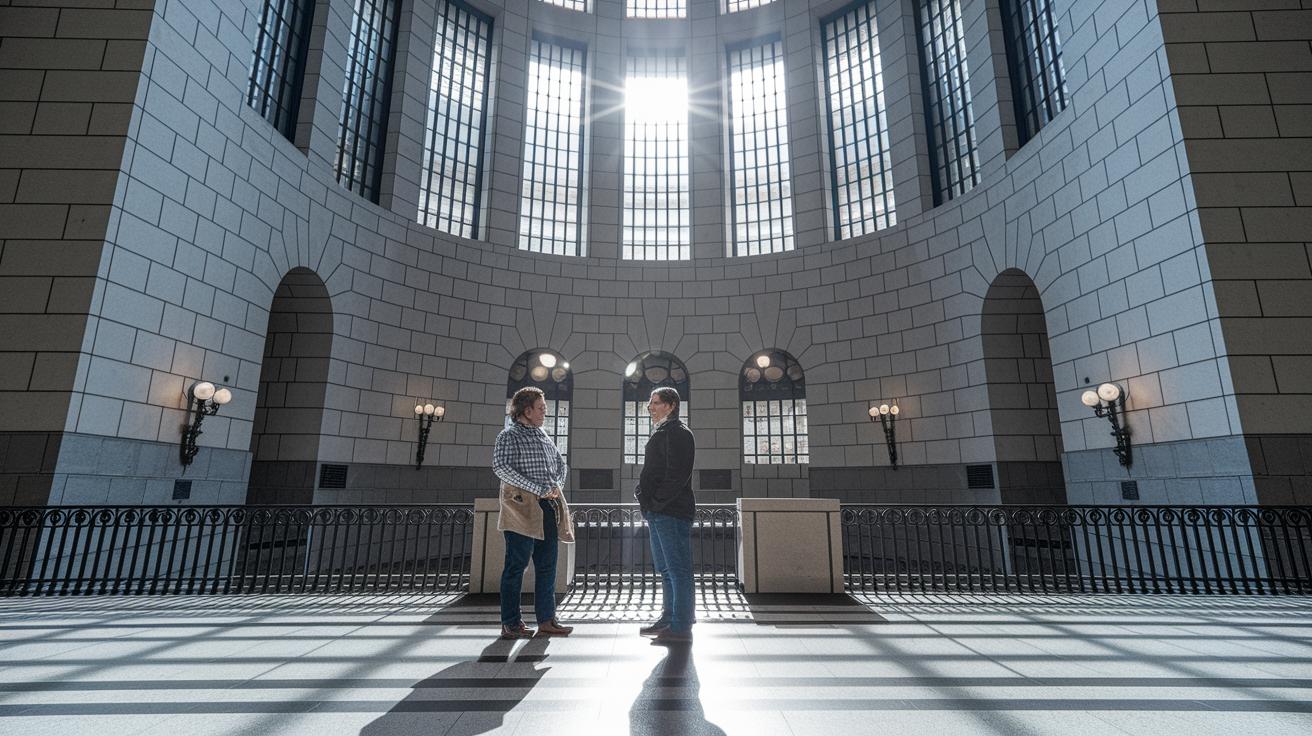
New York City Hall offers free tours that let you see behind the scenes. You can visit important spots like the Mayor's office, the City Council chamber, and the historic rotunda. These tours show you where big decisions are made and give you a look at how local government works day-to-day.
To join a tour, call the visitor desk or use the online booking system. Remember to bring a valid photo ID because all guests go through security and bag checks. If you plan a group visit, you need to register every person ahead of time and make sure everyone has proper ID.
The tour is a great chance to learn about New York City's government and its history. It’s a simple, educational experience that helps you understand the heartbeat of the city.
Civil Ceremonies & Marriage Appointments at NYC City Hall
NYC City Hall is a favorite spot for couples to tie the knot. If you're planning a civil ceremony or marriage appointment, start by securing your marriage license. Bring a government-issued photo ID and be ready to pay a fee that depends on your ceremony type. You can call the office or book an appointment online during the months they are open.
Plan ahead, especially during busy times like holidays or peak wedding seasons, since slots fill up fast. As one couple put it, "The process was clear and genuine, made even more memorable by the historic surroundings." Follow these steps to enjoy a smooth, memorable day in the heart of the city.
Access & Nearby Civic Landmarks around NYC City Hall
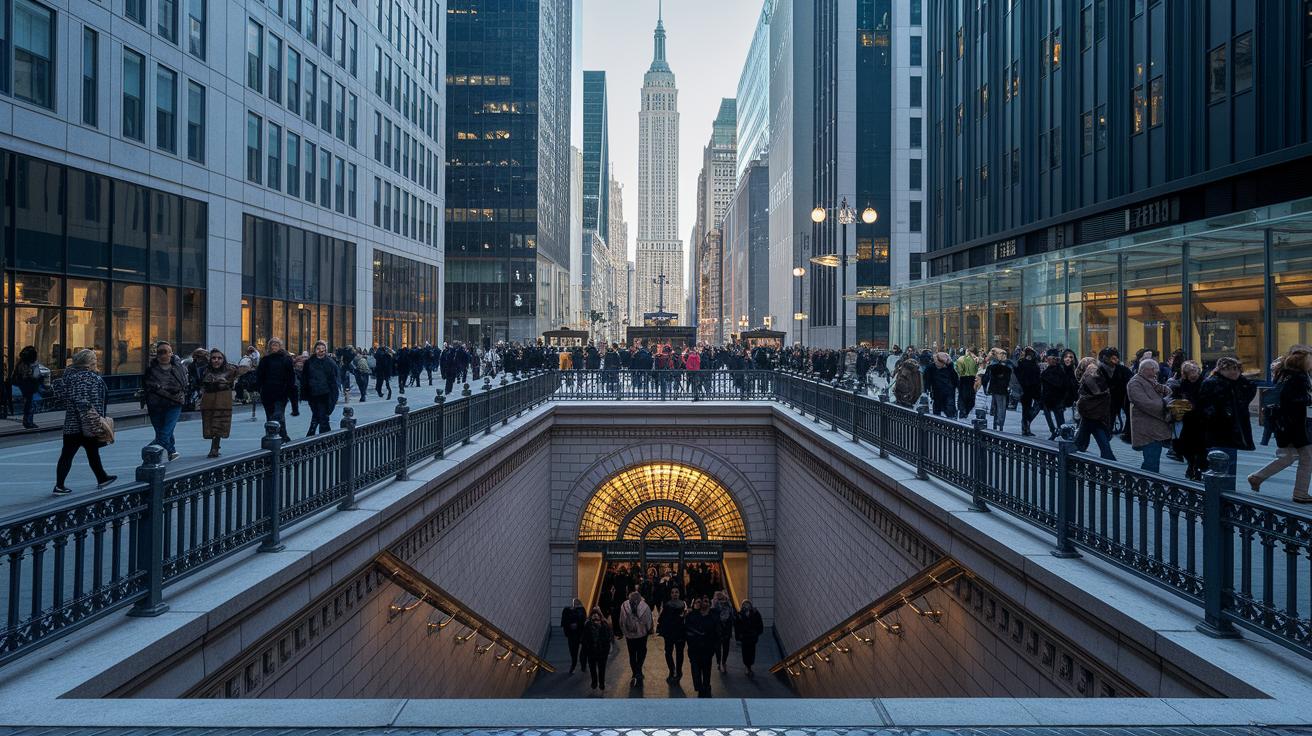
When you leave NYC City Hall, you're right in the middle of downtown government. You can even see the old City Hall subway station below, which opened on Oct. 27, 1904 as the first stop on the original NYC subway line. This station offers a glimpse into early transit history and the growth of our city.
Next door stands the Manhattan Municipal Building, built in 1914. It is a proud New York landmark. From there, a short walk takes you to City Hall Park and several nearby government offices. These spots give you a clear view of local history and city governance.
Quick Tips:
- Ride the subway or local buses to skip parking hassles.
- Take a relaxed walk around the municipal buildings and enjoy the rich local history.
Final Words
In the action, the post examined key details of nyc city hall. It covered the site’s rich past, striking Federal-era design, and its role in local government. We broke down visitor essentials like operating hours, security checks, and steps for booking tours and civil ceremonies.
This guide offers clear, practical tips for exploring this historic and useful landmark. Keep these insights in mind when planning your next visit or navigating Lower Manhattan’s iconic civic spaces. Enjoy the experience and make the most of local heritage.
FAQ
Can you get married at NYC City Hall?
The inquiry on marriage and wedding at City Hall means you can have a civil ceremony there. You must apply for a marriage license, provide valid IDs, pay the fee, and book an appointment.
What is NYC City Hall mayor’s office?
The question about the mayor’s office means City Hall houses the mayor’s office along with the City Council chambers, making it a central hub for municipal government.
Where can I find a City Hall map?
The inquiry on a City Hall map means visitors can access maps online or at the visitor desk. These maps show internal layouts and the surrounding civic landmark area in Lower Manhattan.
What is NYC City Hall station?
The query about the NYC City Hall station means it is a decommissioned subway stop that opened in 1904. Today, it stands as a part of New York City’s transit history and no longer serves regular trains.
Can I tour and go inside NYC City Hall?
The question about touring and interior access means guided tours are available. These tours cover spaces like the Mayor’s office, Council chambers, and historic rotunda, with security screenings required for visitors.
What is the New York City Hall mailing address?
The inquiry regarding the mailing address means City Hall’s official address is published online and through city directories for correspondence and official inquiries.
What is the New York mayor’s salary?
The query on the New York mayor’s salary means salary figures are set by city regulations and published on the city’s official website or public records for residents to review.
Where is NYC City Hall located?
The question on location means City Hall is in the Civic Center of Lower Manhattan. This historic building serves as an active site of local government and a landmark for the city.