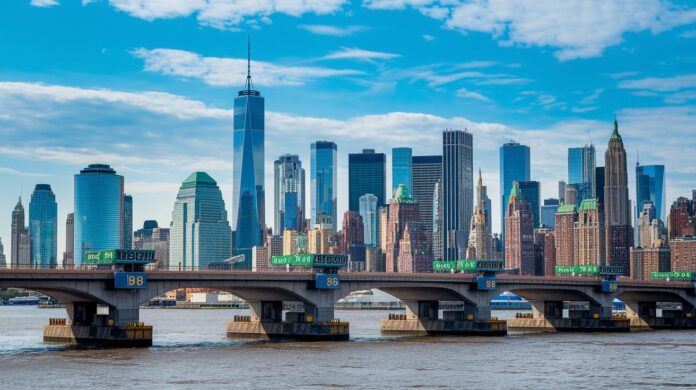

Manhattan drivers, get ready for a change. Soon, if you drive below 60th Street, you’ll face extra fees. The city will use cameras and set checkpoints to track cars entering the zone. The goal is to cut down traffic and boost public transit.
What you need to know:
• If you plan to drive in Manhattan, plan ahead.
• Check your route and timing to avoid surprises.
• Stay updated on how the toll works.
Use this guide to plan your trip and keep moving smoothly on the streets.
NYC Congestion Pricing Guide: Core Details You Must Know
New York City is starting a new toll on vehicle traffic in Manhattan’s main business district. The toll covers all streets at and below 60th Street. It kicks off on Jan. 5, 2025, so drivers should start planning now.
The toll zone is clearly marked. Just think of it like a line you don’t want to cross in a parking lot – once you do, fees will follow. This helps drivers know exactly where extra charges apply.
The city will use 1,400 cameras and over 110 detection points to monitor traffic. When a car enters the zone, these devices record the entry automatically. Drivers with E-ZPass tags get billed right away when they enter, while others will receive a bill in the mail. Toll collection happens 24 hours a day, with extra focus during busy hours. On weekdays, peak times run from 5 a.m. to 9 p.m. and on weekends from 9 a.m. to 9 p.m.
This pricing plan has three main goals. First, it seeks to cut down on gridlock. Second, it aims to lower pollution. Third, the funds will help boost public transit like buses, subways, and trains. Local drivers may want to consider alternatives like biking or taking the bus to skip the toll. By knowing these set boundaries and hours, you can plan your route and schedule smartly.
NYC Congestion Pricing Guide: Payment & Toll Collection
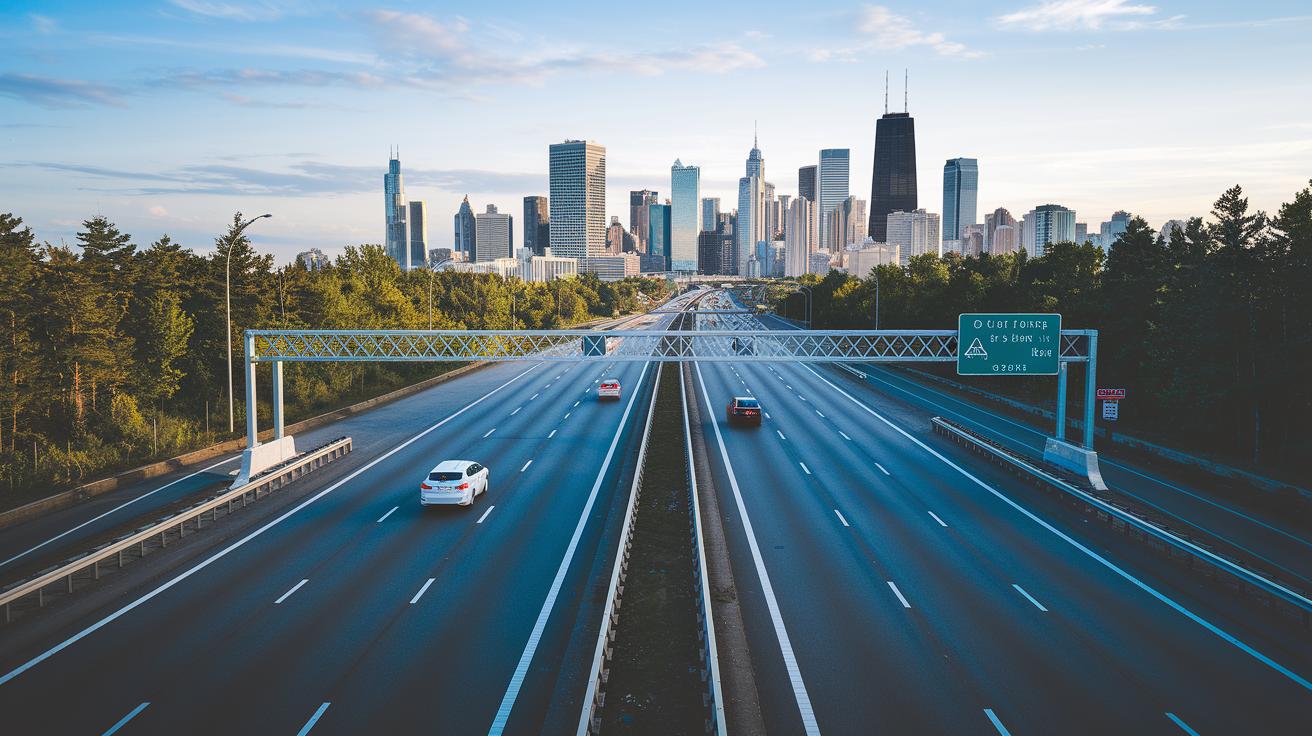
To help manage traffic around the city, the system uses 1,400 cameras and 110 checkpoints to track every car that enters the zone. If you have an E-ZPass, you’re billed right when you cross into the area. This means you pay instantly without any extra steps. Without an E-ZPass, you'll get a bill in the mail.
You must pay your bill within 30 days of the invoice date. You can settle your payment online, by mail, or at a nearby kiosk. Late payments add extra fees, so be sure to pay on time. It’s a bit like a ticket machine: if you don’t insert enough cash, you end up owing a little more later.
E-ZPass Tag Billing
If you use E-ZPass, the system automatically charges you as soon as you enter the zone. You can also apply for crossing credits that may lower your fare on eligible trips, making it much easier if you travel regularly.
Bill by Mail Process
For drivers without an E-ZPass, every time you enter the zone, a bill will be mailed to you. Be sure to pay these bills within 30 days to avoid extra fees. This process keeps you in the loop about any charges so you can pay promptly.
NYC Congestion Pricing Guide: Fees & Rates Structure
City driving fees change with your vehicle, the time you drive and how you pay. The toll rates are designed to ease traffic on our streets. They’re fixed until 2027 so you know what to expect. After that, rates will go up a bit – between 4% and 6% each year until 2031. This lets you plan your rides ahead of time.
Time-of-Day Categories
Tolls hit their peak during busy hours. On weekdays, the heavy traffic window runs from 5 a.m. to 9 p.m. On weekends, the busy period is from 9 a.m. to 9 p.m. If you can drive outside these hours, you’ll pay less. For instance, a sedan going during off-peak times gets charged $11. Knowing these time slots can help you avoid extra costs.
Vehicle Class Rates
Rates change with the type of vehicle you drive. A sedan hits a peak rate of $15, while yellow taxis are charged $12.50 during rush hours. Trucks pay the highest fee at $20 each time. Commuter buses have special rates laid out by the guidelines. There’s also a tunnel-credit program. If you’ve just come through a tunnel, you might score up to a $4 credit to lower your toll.
NYC Congestion Pricing Guide: Exemptions & Discounts
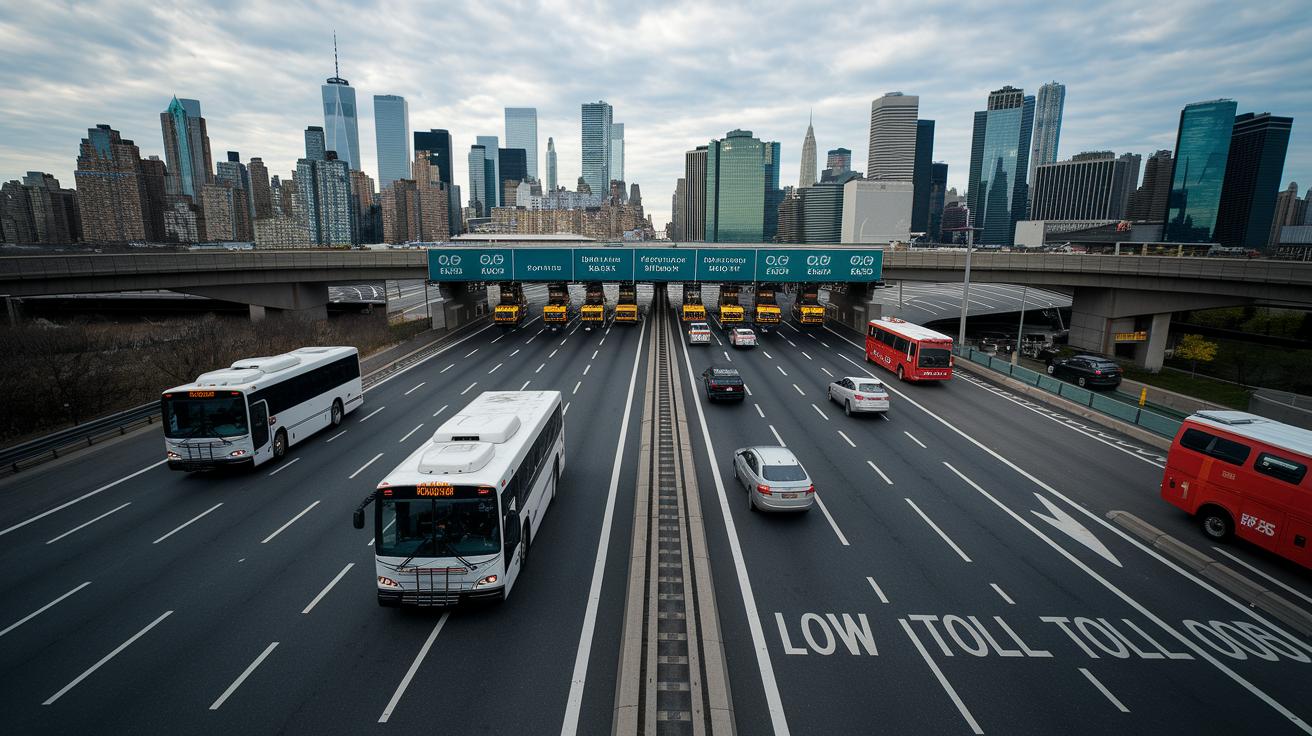
Many vehicles avoid the toll. School buses, commuter buses, emergency vehicles and other key government vehicles do not pay. If you stick to roads like FDR Drive or West Side Hwy, or the Hugh L. Carey Tunnel without leaving the route, you won’t see any extra fees.
Drivers who qualify can get a Low-Income Discount that cuts tolls in half. To claim it, you must fill out an application as the MTA explains. This discount helps those who might be hit hard by extra costs.
If you think your vehicle might qualify, check the MTA’s criteria and follow the steps they list.
- School buses
- Commuter buses
- Emergency and essential government vehicles
Keep up with community meetings or local news for any changes to these rules.
NYC Congestion Pricing Guide: Driving Tips & Alternative Options
If you want to save money and avoid extra fees, try changing your travel routine. Head out before or after the rush-hour crowd. This simple shift can help you dodge heavy traffic and lower your costs. Carpooling with coworkers or neighbors is a smart idea, too. Sharing rides means lower expenses and fewer emissions.
If you need to drive during peak toll times, choose streets that bypass the busiest spots. Many New Yorkers park outside the fee zone and then catch the subway or a bus to get where they’re going. This option lets you skip tolls while using the city’s strong public transit system. Check tools like MTA Trip Planner, Citymapper, or Exit Strategy to plan the quickest, cheapest route.
Look into other ways to get around as well. The growing Citi Bike network, better bike lanes, and new pedestrian areas make biking and walking safer than ever. For a faster ride around town, consider micromobility options. Apps like the metro mobility application can help you plan a route that mixes different travel modes. You can also try rental services like mobility scooter rental nyc for extra flexibility.
- Travel during off-peak hours
- Carpool when possible
- Park outside the downtown zone and switch to public transit
These easy tips can help you cut toll costs and keep your commute flexible around New York City.
NYC Congestion Pricing Guide: Benefits & Impact Assessment

NYC’s congestion pricing plan is set to change how you get around. In the toll zone, car trips should drop by about 15 to 20 percent. That means rides may get up to 30 percent faster. Fewer cars on busy streets also means safer crossings for pedestrians, with studies showing injuries could fall by up to 25 percent.
A main goal is cleaner air. The plan is expected to cut CO₂ emissions by roughly 2.7 million tons over ten years. Think of it like switching out an old lightbulb for a bright, efficient LED. Cleaner air makes for a healthier city for everyone.
The city also plans to bring in around $15 billion from tolls. These funds will help boost subway and bus services, fix old roads, and improve street safety. Money from the plan will directly support new MTA projects, which means better transit options for local residents.
Cutting congestion, lowering pollution, and upgrading transit help both drivers and the community.
NYC Congestion Pricing Guide: Frequently Asked Questions
Q: When does pricing start?
A: Toll fees start on Jan 5, 2025. Mark that date on your calendar so you aren’t caught off guard if you drive through Manhattan in early January.
Q: Which area is tolled?
A: The fee covers any street below 60th St in Manhattan’s central business district. In simple terms, once you cross that line, you’ll be charged.
Q: Are bridges or tunnels tolled?
A: Not always. You only get charged on bridges or tunnels if you exit onto local streets in the toll zone. If you’re just passing through without leaving the main route, you won’t face a toll.
Q: How can charges be disputed?
A: If you think there’s a mistake on your bill, you need to contact the online portal within 60 days. This lets you sort out any issues quickly.
Q: Can rates be appealed?
A: No, you cannot appeal the set rates. Only specific MTA exemptions apply in rare cases, so the fee amounts stay fixed.
Q: What is the rate-change schedule?
A: The rates are frozen until 2027. Then, small increases of 4 to 6% each year kick in until 2031. This steady plan helps you plan your trips without surprise hikes.
| Detail | Information |
|---|---|
| Pricing Start | Jan 5, 2025 |
| Toll Area | Streets below 60th St in Manhattan CBD |
| Bridges/Tunnels | Charged only if exiting into the toll zone |
| Dispute Process | Contact online portal within 60 days |
| Rate Appeals | Not allowed; only MTA exemptions apply |
| Rate-Change | Frozen until 2027; then 4-6% annual increases until 2031 |
Final Words
In the action, this post breaks down how the new toll rules work, from start dates to how cameras catch vehicles. We covered zone boundaries, toll rates by time and vehicle type, and tips to save money. The guide also outlines ways to avoid fees using carpooling or alternate routes. With a focus on real benefits like faster travel and transit upgrades, the nyc congestion pricing guide offers clear steps to help you plan safe and efficient travel in Lower Manhattan. Stay informed and keep moving forward confidently.
FAQ
Frequently Asked Questions
Is NYC congestion pricing cancelled?
The belief that congestion pricing is cancelled is unfounded. NYC’s congestion pricing remains on track to begin on Jan. 5, 2025, targeting the Manhattan central business district.
What are NYC congestion pricing hours?
NYC congestion pricing applies during peak periods: weekdays from 5 a.m. to 9 p.m. and weekends from 9 a.m. to 9 p.m. Note that tolling equipment monitors traffic around the clock.
Where exactly is congestion pricing enforced in NYC?
Congestion pricing is enforced in Manhattan’s central business district. The tolled zone covers local streets at or below 60th Street. An online map is available for detailed boundaries.
How much is congestion pricing in NYC?
Congestion pricing fees vary by vehicle and time. For example, peak rates for sedans are about $15, while off-peak rates may be around $11. Rates differ for taxis, trucks, and other vehicles.
How does the congestion pricing calculator work?
The congestion pricing calculator helps estimate toll charges based on your vehicle type, time of entry, and specific crossing point. It provides a quick way to plan for toll costs.
Are there special considerations for drivers with disabilities under NYC congestion pricing?
Drivers with disabilities might qualify for special discounts under NYC guidelines. Checking eligibility for the Low-Income Discount or other exemptions is recommended to help lower toll costs.
What is the latest news on NYC congestion pricing?
Recent updates confirm that congestion pricing will start on Jan. 5, 2025. The program aims to reduce traffic, cut emissions, and generate funds for improving subways and buses.
Where can drivers enter NYC to avoid congestion pricing?
To avoid congestion pricing, drivers should choose routes that bypass Manhattan’s tolled central zone. Entering outside the area defined by local streets at or below 60th Street helps reduce fees.
Who is required to pay NYC congestion pricing?
Drivers who enter the toll zone in Manhattan’s central business district will incur charges. The fee applies to residents and non-residents alike, determined by vehicle type and time of day.