

Have you ever thought about how crisis intervention in NYC really helps people? Local groups are on the move when help is needed most. Neighbors receive a quick call or text that connects them with immediate support. Centers such as Trinity Place Shelter, Ali Forney Center, and Covenant House show that help isn't just a promise, it’s here today. These efforts turn tough moments into sparks of hope right in our own community.
Immediate Hotlines and Emergency Contacts for Crisis Support in NYC
In NYC, help is only a phone call away. For issues like mental health struggles or homelessness, call 410-531-6006 any time of the day. A trained responder will guide you and connect you with care right away.
If you prefer to text, send a message to 741741. This free Crisis Text Line is available 24/7 for quick, anonymous support.
Local groups are also on standby to help neighbors in need:
- Trinity Place Shelter, 164 West 100th St., offers safe, temporary housing and support for LGBTQ youth aged 18 to 24.
- Ali Forney Center at 321 W 125th St. provides emergency and short-term housing, drop-in services, and counseling. Their doors are open Monday to Friday from 8 a.m. to 8 p.m. and on weekends from 10 a.m. to 6 p.m.
- Covenant House, located at 461 8th Ave., gives homeless youth shelter, crisis care, counseling, and even distributes clothing.
- NYC Unity Project offers a wide range of help including peer and professional counseling, legal support, health care, and housing assistance.
These services show how our community comes together in a crisis. Keep these numbers handy to bring a spark of hope and help when things get tough.
nyc grassroots crisis intervention sparks hope

Local neighborhood groups are stepping up with real, hands-on support for people in our city. Trinity Place Shelter meets every week with peer-led sessions that help LGBTQ youth share their stories and learn coping skills in a safe space.
Ali Forney Center is another local staple. Their volunteer counselors run drop-in centers and help with transitional housing, linking residents with stable shelter during tough times. This quick relief, combined with long-term plans with local partners, makes a big difference.
Covenant House works with local donors and city agencies to fund crisis programs for youth. They bring together counseling, shelter, and skill-building workshops to empower young people facing hard times.
NYC Unity Project organizes legal clinics and wellness workshops with help from community volunteers. Their events offer clear advice and interactive support that show how small local efforts can spark real hope and strengthen our community.
This mix of action and advocacy is rebuilding trust and lifting up our vibrant neighborhood spirit.
Volunteer Aid Networks & Peer-Led Support in NYC Grassroots Crisis Intervention
The NYC Crisis Management System depends on local volunteers who jump in to calm disputes and reduce violence. These community partners work with city services to ease tense moments and help avoid harmful outcomes. Their quick action gives neighbors the support they need right when it matters most.
In Central Brooklyn, four service sites are run by trained volunteers who work directly on the streets. They intervene in person during conflicts, helping to ease difficult situations and guide people to safety. This kind of street-level support shows that caring, local expertise truly makes a difference.
Residents also take part in peer-assistance workshops. At these sessions, people learn simple techniques for de-escalating conflicts, listening actively, and responding to trauma. One workshop attendee said, "I now understand how a simple conversation can calm fears and stop a crisis in its tracks."
Regular recruitment drives and job postings are bringing fresh faces into volunteer roles all over NYC. These volunteers not only help with immediate crisis response, they also build long-lasting support networks that benefit our entire community.
City-Level Conflict Resolution & Emergency Mediation Programs in NYC
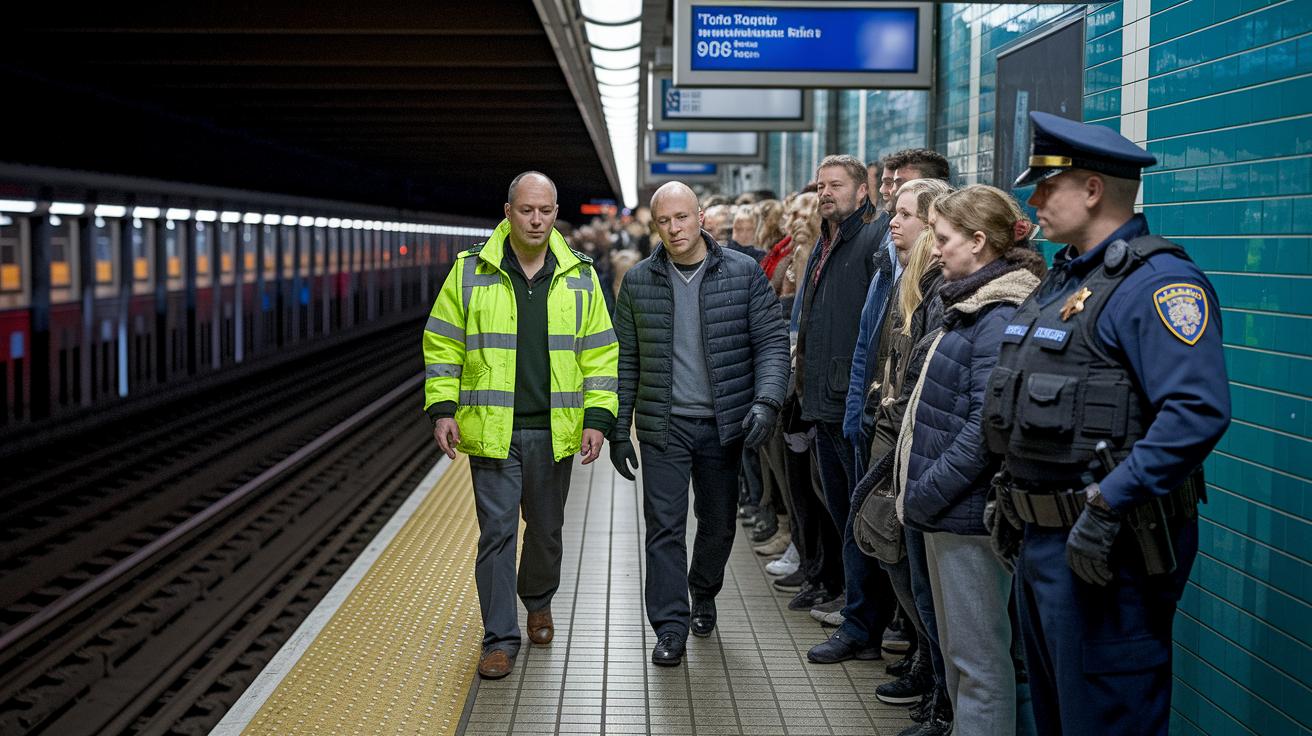
NYC’s crisis teams take to the streets to settle conflicts before they get out of hand. They work hand-in-hand with the NYPD to counter the rise in gun violence that spiked during the pandemic. In neighborhoods known for high tension, teams run regular drills so they’re always ready for sudden events.
During one drill, a simulated subway fight gave mediators a chance to learn how to bring calm to chaos. One exercise note read, "A calm word can defuse a dangerous situation." These practice sessions sharpen skills that are crucial for handling urban disputes.
City-run workshops also bring community leaders and first responders together. Here, everyone learns simple, practical ways to mediate conflicts and stop problems before they grow. This training builds trust and cooperation between law enforcement and local voices.
Officials say these programs help lower risks and ensure a faster, coordinated response during emergencies. Regular practice and teamwork pave the way for safer streets and stronger communities.
Community Healing Projects & Resilience Building Efforts in NYC Grassroots Crisis Intervention
Nonprofits across NYC are teaming up to help neighbors heal and build trust. They run projects that let people share their own stories to boost mental health and empower locals. This storytelling creates a safe spot for everyone to speak their mind and feel understood.
Local centers now hold public workshops and stress-relief seminars that offer quick tips for handling tough times. These sessions teach simple ways to ease anxiety and build strength through community support.
Special mental health services for QTBIPOC are also in the spotlight. For example, therapy programs aimed at Black girls work to cut stigma and promote wellness in underserved parts of the city. This focused approach is a key part of strengthening individual and community resilience.
Additional coaching sessions and empowerment meetings give hands-on guidance to help people regain their strength. These efforts ensure that every New Yorker can find hope and support, even when the going gets tough.
Integrated Aid Management & Public Care Coordination in NYC Neighborhoods

NYC's Crisis Management System is built to help folks fast when times get tough. It has dedicated office roles, current insurance policies, and clear roles for clinical consultants and supervisors. This set-up makes sure mental health and emergency services run smoothly.
In Central Brooklyn, four support centers work together as hubs to smartly share resources. They join forces with local agencies and community groups, allowing them to shift gears quickly when needs change. This teamwork shows how coordinated aid and care can really support a neighborhood.
Local nonprofits, city health agencies, and trained volunteers team up to plan recovery. They share tools, skills, and manpower to meet urgent challenges head-on. This cooperative approach builds trust and ensures every community gets fast, quality help. The integrated system not only smooths out crisis care but also strengthens community ties. Together, they drive care that works for everyone.
Final Words
In the action, the article stepped into NYC’s rapid response scene. It outlined vital hotline números, immediate crisis contacts, and hands-on support from local organizations. The piece showed how volunteer aid networks, peer-led groups, and city-led mediation work together to keep our streets safe. It also highlighted community healing projects that boost our resilience. This all ties back to solid strategies in nyc grassroots crisis intervention. Stay informed and connected, and let’s keep building a stronger community together.
FAQ
Grassroots Crisis Intervention reviews
Grassroots Crisis Intervention reviews highlight community feedback on service quality, responsiveness, and the overall impact of crisis support efforts in NYC.
Grassroots Crisis Intervention jobs
Grassroots Crisis Intervention jobs involve roles in immediate crisis response and community support, providing both professional and volunteer opportunities to assist those in need.
Grassroots day Resource Center
Grassroots day Resource Center offers immediate help and resources, connecting community members with timely local support and crisis intervention services across NYC.
Crisis intervention team jobs
Crisis intervention team jobs focus on de-escalating emergencies and providing on-site support, ensuring swift and effective response during behavioral or mental health crises.
Grassroots Culpeper, Grassroots jessup MD, Grassroots nj, and 6700 Freetown Rd, Columbia, MD
Grassroots services in Culpeper, Jessup MD, NJ, and at 6700 Freetown Rd in Columbia, MD refer to local hubs delivering community-based crisis intervention support with location-specific offerings.
What are some examples of crisis intervention?
Examples of crisis intervention include hotline support, text services, safe shelters, and peer-led mediator teams that provide immediate help during mental health and behavioral crises.
What is New York doing to help the homeless?
New York addresses homelessness with emergency shelters, transitional housing, crisis care, and supportive programs through organizations like Covenant House and the Ali Forney Center.
How to get free therapy in NYC?
Free therapy in NYC is available via community health centers, crisis counseling services, and local grassroots organizations offering low-cost or no-cost mental health support.
What is the NYC crisis Helpline?
The NYC crisis helpline is a 24/7 support service offering immediate crisis intervention and mental health assistance by phone or text, connecting individuals with urgent care resources.