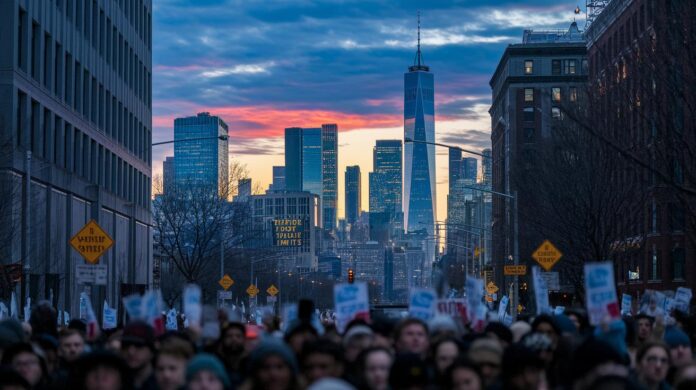

Should one mayor head New York City forever? Back in 1993, voters said no. They set a cap: a mayor can only serve two consecutive four-year terms.
This rule is like borrowing a tool and returning it on time. It makes room for new ideas and fresh leadership. It also helps keep power balanced and ensures that officials stay connected with the community.
This article explains how term limits reshaped city politics and why that decision still matters to New Yorkers today.
Current Term Limit Framework for the NYC Mayor
NYC voters changed the rules in 1993. They set a limit so that the mayor can serve only two consecutive four-year terms. This rule keeps the leader close to the people and prevents any one person from staying in power too long. It’s like borrowing a tool with a set return date. When the time is up, it goes back to the toolbox for someone new.
Term limits help prevent one group from holding too much power. They also bring fresh ideas into city governance. In New York, these limits apply not only to the mayor but also to the comptroller, public advocate, borough presidents and city council members. This law breaks any cycle of long-term power and opens the door for diverse leadership. Limiting each official’s time in office makes it easier for them to stay connected with their community and keeps political influence balanced.
Historical Origins of NYC Mayoral Term Limits
In 1993, New York City saw a big shift in its political scene. Businessman Ronald Lauder and a local group known as New Yorkers for Term Limits led a campaign that changed how leaders serve. They collected nearly 130,000 signatures and pushed the case to the State Supreme Court so that voters could decide.
Voters backed the change and approved an amendment to the city charter. This new rule set clear term limits for officeholders, marking a turning point in the city’s political history.
| Year | Event |
|---|---|
| 1993 | Lauder-backed campaign, signatures and court ruling |
| 1993 | Voter approval of the charter amendment |
| 2002 | First mayoral transition under term limits |
This grassroots push changed how term limits work in New York. By putting the issue on the ballot and winning voter support, local organizers paved the way for fairer and more open leadership in the city.
Implementation and Early Impact of NYC Mayor Term Limits
In 2001, NYC held its first mayoral election under term limits. The new mayor took office in January 2002. Some critics warned that limiting terms might shake up city government, but the change happened with no major issues.
Many were surprised. Even though some expected chaos, the city’s systems stayed strong, and daily operations ran smoothly. Both voters and officials managed the switch in a calm, practical way.
The policy did have mixed effects. Several new mayors and council members kept familiar policies, while others who were still building their records lost ground under the new rules. This has raised concerns about whether fresh, experienced leadership will emerge or if the city will just follow the old ways.
Experts say it is too early to decide the long-term effects of term limits, especially considering the City Council took on more power back in 1991.
Debating the Pros and Cons of NYC Mayoral Term Limits
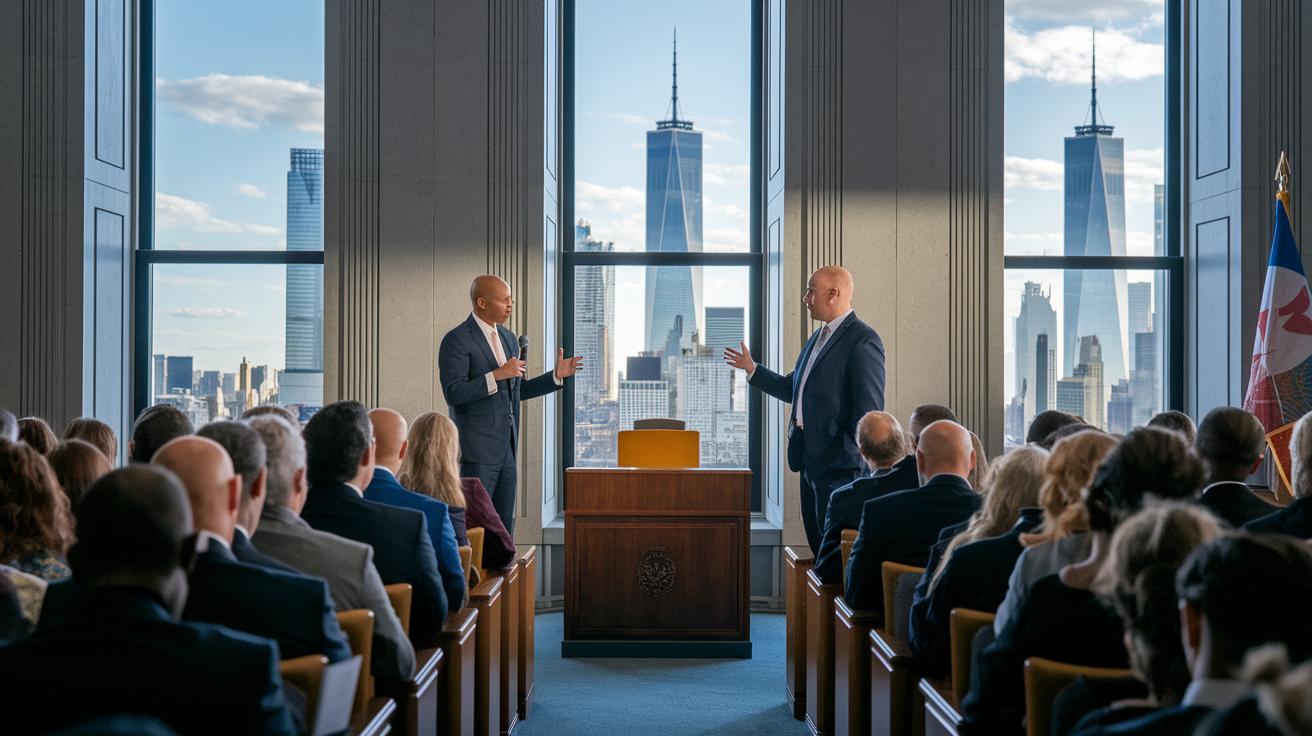
A lively debate has emerged over whether NYC should have term limits for its mayor. Some neighbors say fixed terms can bring fresh, new ideas and shake up a system that often favors long-time incumbents. Others worry that inexperienced leaders might take the reins, leaving big responsibilities in unsteady hands.
Key Benefits
Proponents believe that fixed terms level the playing field in city politics. They point out that removing the usual advantages held by incumbents creates more competitive elections. This shift lets candidates focus on real community needs rather than clinging to power. Every election then offers a clear chance for change, which can make local government more in tune with everyday concerns.
Main Drawbacks
On the other side, critics caution that term limits might force the loss of seasoned leadership. They say a newer mayor might rely too much on career staff and lobbyists behind the scenes. Many worry that the already tense relations with the City Council, along with frequent vetoes, could lead to abrupt shifts that disrupt governance. This change could make it harder to keep long-term policies steady, especially when experienced officials are quickly replaced.
In the end, locals agree that while term limits can boost democratic accountability by encouraging fresh leadership, they also risk losing the deep expertise needed to handle NYC’s complex challenges.
Recent Reform Proposals and Mayor’s Position on Term Limits
Mayor Eric Adams makes his view on the eight-year term-limit law clear. He believes these limits hold back strong leadership and restrict a mayor's ability to guide the city through tough times. Adams says that what matters is how well a mayor performs and meets New Yorkers' needs, not a set number of years in office. He is pushing for a change to how term limits are set so that leadership can be more flexible in facing new challenges.
Lawmakers are now debating changes. They might revise the City Charter to adjust or even do away with the term limit. This change would follow a strict process that includes drafting new rules, holding public hearings and, in the end, getting the vote of the people. Both supporters and critics keep a close eye on these moves.
Recent polls show that New Yorkers are split on the issue. Some believe that letting experienced mayors serve longer brings needed stability and solid leadership. Others argue that bringing in new faces can give the city fresh ideas. This mix of opinions continues to influence discussions on reform.
Final Words
in the action, we reviewed how the charter set the rules for office duration, from the 1993 amendment to the early election impacts. We traced the grassroots campaign, watched initial shifts in leadership, and analyzed the debates over boosting competitiveness versus preserving experience. The piece also looked at current reform talks and the mayor’s clear stance on the issue. The discussion shows a city that stays mindful of its governance, ready to adapt as needed under nyc mayor term limits. Enjoy the positive changes ahead.
FAQ
Frequently Asked Questions
What is the NYC mayor’s salary and benefits package?
The NYC mayor’s salary and benefits package includes a competitive base pay with a full benefits plan. Some mayors have taken a symbolic salary of $1 to emphasize public service.
How do NYC mayor term limits work, as noted by Bloomberg?
The NYC mayor serves a maximum of two consecutive four-year terms according to the 1993 charter amendment, a rule set up to prevent extended power and keep leaders connected with the community.
How is the NYC mayor elected?
The NYC mayor is elected in a four-year cycle through primary and general elections, allowing voters to choose candidates based on their track records and plans to serve local interests.
Who were the last 10 mayors of New York City?
The last 10 NYC mayors comprise a mix of reformers and established leaders whose administrations have shaped the city’s policies; official city records offer detailed historical lists for reference.
What is known about the NYC mayor’s spouse?
The NYC mayor’s spouse often plays a supportive, community-focused role by participating in public events and charity work, showcasing local involvement and dedication alongside the mayor.
Who is running for mayor of New York currently?
Current mayoral candidates present a variety of platforms addressing local concerns; interested voters should check local media updates for the most accurate and timely information on the ongoing race.