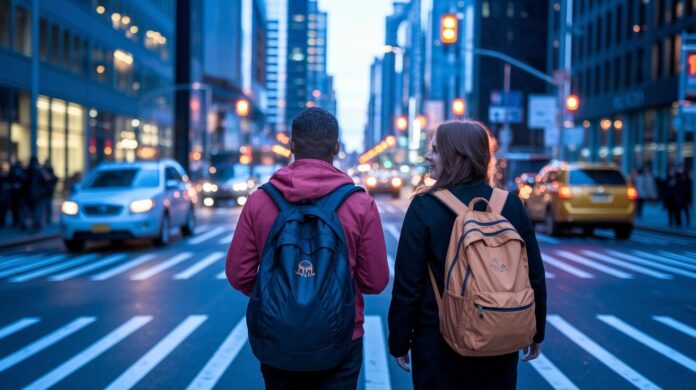

Ever worry about staying safe while walking New York City streets? New York may be seen as one of the safest cities in the country, but clever pickpockets can still catch even the most alert visitors off guard. We've put together simple, practical tips to help you keep your belongings secure and avoid common scams as you explore your neighborhood. Follow these steps to feel safe on every block and enjoy the city without worry.
Quick-Start NYC Neighborhood Safety Guide for Visitors
New York City is home to more than 8 million people in 320 square miles. FBI data says it is the safest major city in the U.S., even beating cities like San Jose and San Diego. Violent crime is very rare and usually only happens in a few spots in northern Manhattan and parts of the outer boroughs.
While the big crimes are uncommon, you should watch out for petty theft. Pickpocketing and quick grab-and-run scams are the most typical threats. In 2024, NYPD reports show that burglaries, thefts, and grand larceny (for items over $1,000) are the main issues. This guide shares easy steps to help you stay safe as you explore.
- Keep a close eye on your belongings in busy tourist spots.
- Hold wallets, phones, and bags securely.
- Consider using anti-theft bags or a cross-body style bag.
- Stick to streets that are well lit and busy at night.
- Ride in the middle train cars rather than the empty ones.
- Use official yellow cabs or approved rideshare services.
- Listen to advice from local New Yorkers.
- Check the latest local crime stats for updates.
New York City is full of energy and has great transit options with a strong police presence during rush hours. By following these tips, you can enjoy the city’s landmarks and neighborhoods with more peace of mind. Trust your instincts and keep your personal safety in focus as you explore the city.
NYC Crime Statistics and Neighborhood Safety Ratings
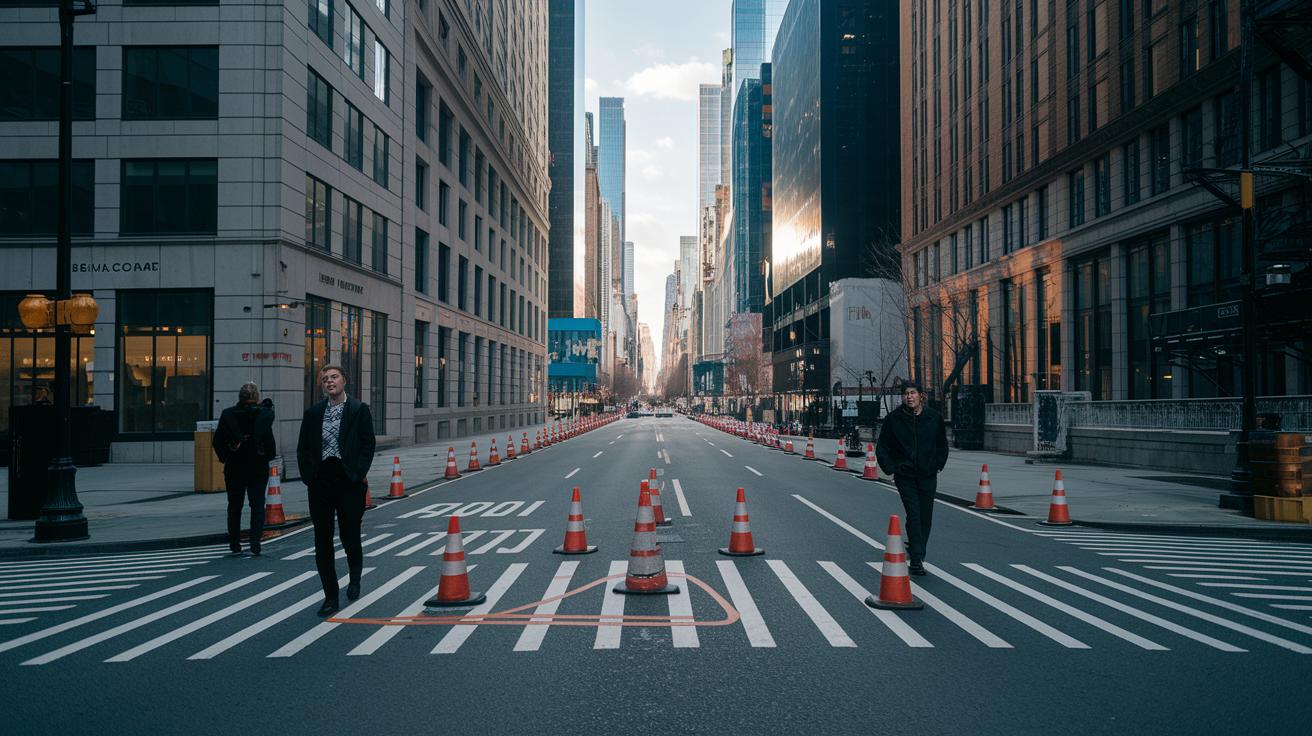
Recent FBI numbers and early-2024 figures from the NYPD show that New York City is one of the safest big US cities. Violent crimes happen rarely, though a few areas in northern Manhattan and the outer boroughs see a bit more of it. Property crimes, like grand larceny on phones and laptops, are more common. This update helps locals and visitors know where to be extra careful.
| Borough | Violent Crime Rate (per 100k) | Property Crime Rate (per 100k) | Overall Safety Rating |
|---|---|---|---|
| Manhattan | 80 | 400 | 9/10 |
| Brooklyn | 120 | 500 | 8/10 |
| Queens | 100 | 450 | 8.5/10 |
| Bronx | 150 | 550 | 7/10 |
| Staten Island | 90 | 300 | 9/10 |
These early-2024 stats tell us that while the city overall is safe, some areas need extra attention. Manhattan stands out for low crime numbers, while the Bronx shows higher figures. Use this guide to plan your trips and keep safe routes in mind. Stay alert and enjoy New York City with confidence.
Borough-by-Borough Safety Guide for NYC Visitors
Each NYC borough has its own vibe when it comes to safety. Here’s a quick look to help you decide where you might feel most comfortable and what to keep an eye on as you explore.
Manhattan
In Lower Manhattan, areas like TriBeCa, Greenwich Village, West Village, and Chelsea stay pretty safe during business hours. Times Square has a lot of police around, but pickpockets are still a risk, so stay aware. SoHo and NoHo are secure by day but need more care at night. Enjoy Central Park during daylight for a safer experience. For a deeper look at Manhattan neighborhoods, visit the linked guide.
Brooklyn
Brooklyn’s safety varies by neighborhood. Spots like DUMBO and Brooklyn Heights offer a calm, low-crime setting. Williamsburg is lively but watch out for pickpockets amid the fun. In areas like East New York and Brownsville, higher levels of violent crime mean extra caution is wise.
Queens
Queens is generally safe in areas like Long Island City and Astoria, where the daily scene is smooth and predictable. Yet, neighborhoods like Jamaica and Far Rockaway struggle with more property crimes. Keep your belongings secure and stay alert while you enjoy the diverse scenes of Queens.
Bronx
The Bronx shows clear differences. Pelham Bay and Riverdale tend to be safer, offering a more secure feel. In contrast, some parts of the South Bronx see more violent incidents. Plan your route and pick places that match your comfort level for a relaxed visit.
Staten Island
Staten Island mostly enjoys low crime and a close-knit community spirit. Still, be careful around ferry terminals after dark. Extra caution at night helps keep you safe while discovering the borough.
Time-of-Day Neighborhood Safety in NYC
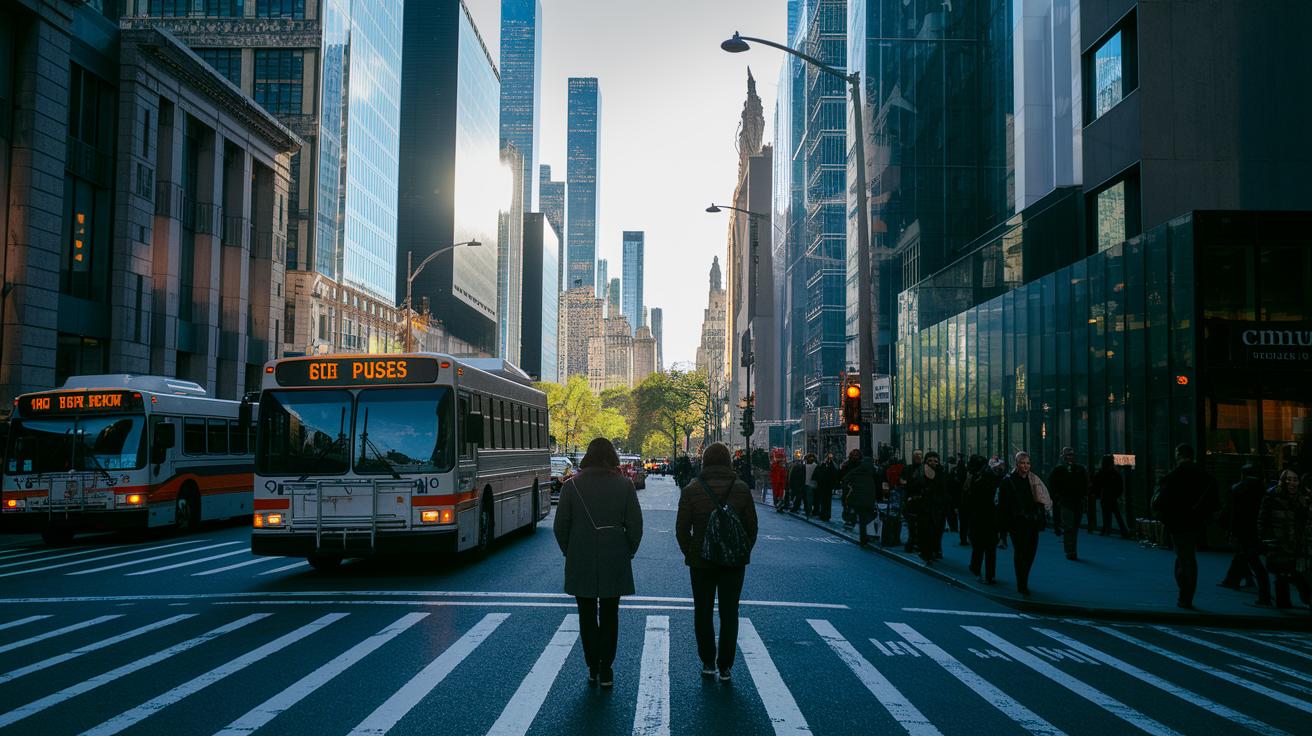
Daytime (7 AM–6 PM)
NYC buzzes with energy in the morning and afternoon. Streets are bright, and you see plenty of people, busy buses, and well-lit sidewalks. Landmarks like Central Park are popular and safe, so it’s a great time to explore. Just keep your bag and phone in sight and stay aware of the crowd.
Evening (6 PM–12 AM)
As evening sets in, parts of lower Manhattan can feel quieter. Stick to busy streets with good lighting and plan to ride in the middle of subway cars if you’re taking the train. In areas where fewer people are around, a taxi or rideshare might be a better choice. Keep your belongings close and watch for any changes in the area.
Late Night (12 AM–5 AM)
Late night in NYC calls for extra care. The city is quieter, so avoid empty subway cars and choose rideshares or licensed taxis instead. Pick drop-off spots that are well-lit and busy. Trust your instincts, if something feels off, it’s best to steer clear and stay safe.
Secure Transit and Ride-Share Tips in NYC
New Yorkers can now use rideshare apps with extra safety tools. These apps let a friend or family member track your ride in real time and feature quick emergency buttons that reach local police fast. They also share safe, less-known routes and waiting spots when you travel late at night.
- Always choose licensed yellow cabs or well-known rideshare companies.
- Ride in train cars with other passengers, especially during off-peak hours.
- Turn on the live tracking feature in your rideshare app.
- Use the emergency alert if you feel unsafe.
- Check that taxi medallion and license numbers are clearly shown.
- Follow safety notifications from your app about secure late-night routes.
These simple tips can help you navigate NYC transit with care and confidence.
Essential Digital Tools for Visitor Safety in NYC
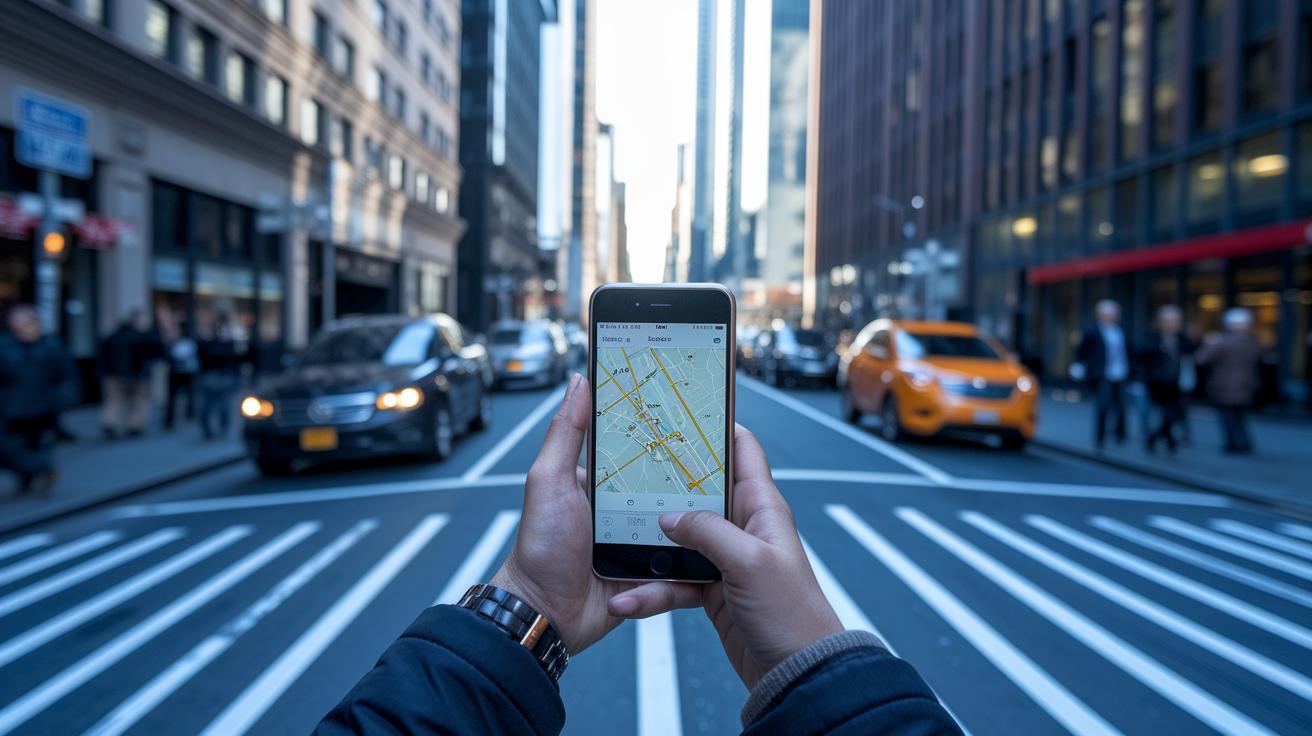
Smartphone apps can really boost your safety when you’re walking around NYC. Google Maps gives you step-by-step directions and live updates so you don’t get lost in the crowd. The MTA app shows you train times and alerts about delays, letting you change plans fast if needed. These tools help you plan your route, skip detours, and steer clear of spots that might feel off.
Apps like Find My let you share your current location with someone you trust. This means your family or friends can know where you are in real time, which adds an extra layer of safety. Plus, local alert services send crime and transit updates straight to your phone so you’re always in the loop when you’re out in the city.
Emergency Contacts and Local Safety Resources in NYC
If you're in trouble or need help fast in New York City, call 911. This is your number for police, fire, or medical emergencies. They answer around the clock to get you the help you need quickly.
For issues that aren't emergencies, call 311. Whether it's a noise complaint or a pothole on your block, 311 is there for non-urgent city services. It helps you get a response without keeping emergency lines busy.
If you need more specific help, check your local NYPD precinct directory for area contacts. Also, many hospitals and urgent care centers are near busy spots and tourist areas, ready to take care of you any time. These local services work together 24 hours a day to keep our neighborhoods safe.
Final Words
In the action, we broke down key safety tips, transit updates, and local security resources for visitors in NYC. The article reviewed neighborhood breakdowns, time-of-day advice, and digital tools that keep safety in check.
Each section gave you practical pointers to handle busy streets and secure commutes while exploring the city. Stay smart on the move and plan ahead using our nyc neighborhood safety guide for visitors. Enjoy your adventure with confidence in every borough.
FAQ
How do I access the NYC neighborhood safety guide for visitors PDF and order a New York City Visitors Guide?
The NYC guide is a handy PDF that offers quick neighborhood safety tips for visitors. You can usually order it through local tourism websites or visitor centers.
How does staying safe in NYC as a tourist work?
Staying safe in NYC as a tourist means staying alert, keeping your belongings secure, and using trusted transportation while following local advice to avoid common pickpocket spots.
How does staying safe in NYC as a woman differ?
Staying safe as a woman in NYC involves planning your journey in advance, choosing busy streets and well-lit areas, and letting someone know your travel plans.
Is NYC safe at night, including areas like the Financial District and Manhattan?
Nighttime in NYC is generally safe, with places like the Financial District and Manhattan benefiting from heavy police presence. Still, it helps to stay alert and avoid quiet, isolated areas after dark.
Is New York safe for Asian tourists?
Safety for Asian tourists in New York is good, with low crime rates overall. Visitors should still stay aware in crowded places and follow local safety tips.
Is New York safe from terrorism?
New York is considered safe from terrorism as the city maintains strong counterterrorism measures and continuous monitoring by security agencies.
Where should tourists avoid going in NYC?
Tourists should steer clear of areas that feel isolated late at night, and avoid neighborhoods known for higher property crime. Local advice and updated guides can help pinpoint these spots.
What are some key NYC safety tips for tourists?
Key tips include staying alert, using licensed cabs or rideshares, keeping your valuables secure, traveling with company when possible, and checking for local safety updates.
What is the safest part of NYC for tourists?
Safe areas for tourists include Lower Manhattan neighborhoods such as TriBeCa, Greenwich Village, and the West Village, where police presence is strong and crime rates are lower.