

Have you ever thought one vote could change the balance of power here in New York? Around the city, from community meetings in Queens to neighborhood gatherings in Brooklyn, locals are pointing out that even one single ballot can make a difference.
People are talking, some are debating privacy issues, while others watch sudden shifts in leadership with surprise. The buzz is real, and it’s happening right on our streets.
This story lays out the latest policy updates, election news and leadership changes in clear, everyday language. Whether you catch the 6 train or run a corner shop, these local moves might affect you. Read on to see how these debates could shape the future right here on our block.
NYC Politics Today: Comprehensive Policy Updates and Election News
The 2026 Congressional Primaries are heating up, and several open seats could unseat long-time incumbents. At a small borough meeting, one resident noted that a single vote might shift the power balance locally. Meanwhile, Zohran Mamdani criticized the NYPD over its role in an FBI probe, which looked into a private Signal chat involving immigration courthouse volunteers. Residents worry this surveillance could harm privacy and proper oversight.
New scrutiny surrounds the Anti-Mamdani PAC. Allegations say it spent millions on ads to boost Cuomo and hurt Mamdani. In response, Democratic lawmakers plan surprise inspections at key government spots to boost transparency, as community members push for clearer answers.
Personnel shifts are also catching everyone’s attention. Leila Bozorg is now deputy mayor for housing and planning, and Catherine Almonte Da Costa has taken over as director of appointments. At the same time, the Trump team warned that hospitals risk losing Medicare and Medicaid funds if they carry out certain youth procedures. One more bill is set to become law in 30 days without the mayor’s say. President Trump recently praised Nassau County Executive Bruce Blakeman and Representative Elise Stefanik, even as talks of Dolan’s resignation in February and mentions of Hicks add extra twists. These moves, along with heated City Council debates over housing bills and confusion about the historical mayoral count, have left many New Yorkers feeling uneasy.
NYC Political Leadership: Profiles of Influential City Figures
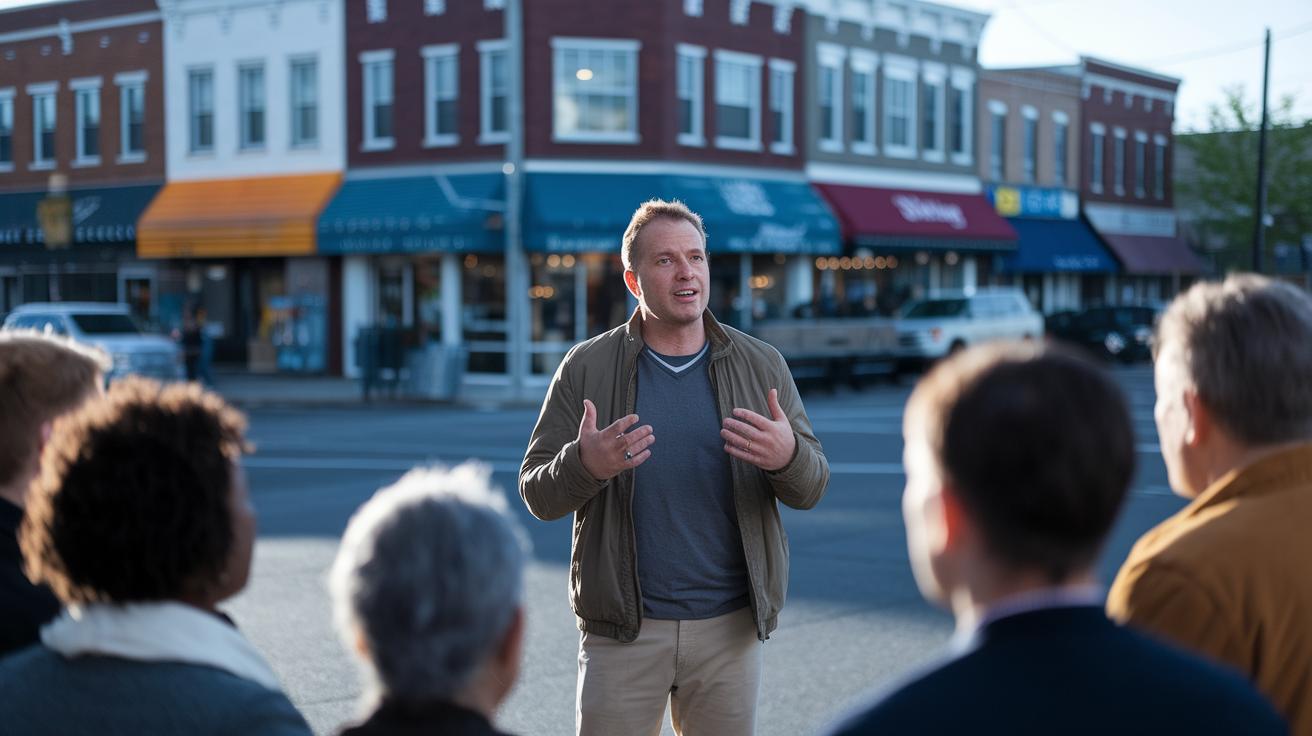
Zohran Mamdani has switched gears after a primary setback. He now targets older voters and Black communities with a message that speaks to real neighborhood issues. One local observer said, "Mamdani talks like a neighbor who understands our daily struggles."
Andrew Cuomo, despite past disputes, remains a strong presence in New York politics. He holds on to key alliances that keep him influential in local power circles.
Curtis Sliwa strikes a chord with Polish New Yorkers in Greenpoint and Ridgewood. Many feel his straightforward style matches their traditional values.
Sherif Soliman was recently named the city's budget director. With experience under three mayors, Soliman brings practical know-how that many say will strengthen the city's financial plans.
A union leader has stepped in to manage intergovernmental affairs, adding a pragmatic voice to policy chats. Catherine Almonte Da Costa, now in charge of appointments, is already getting praise for her organized work at City Hall.
Leila Bozorg, the deputy mayor for housing and planning, is pushing new projects that respond directly to local needs. These leaders blend neighborhood know-how with fresh ideas to shape a dynamic political scene for New York.
NYC Politics Voter Behavior: Turnout, Demographics, and Borough Breakdown
Election Day saw a record number of voters filling the streets from 6 a.m. to 9 p.m. across the city. Neighbors from all income levels and housing types headed to the polls. In many apartment blocks near busy subway stops and bus hubs, the easy access helped boost voter turnout.
In the Bronx, many lower-income households who rely on public transit showed up in strong numbers. Over in Manhattan, voters split along income lines, with people in rental buildings backing one candidate and those in owner-occupied areas leaning toward another. Brooklyn's vote trends were mixed as both crowded condo areas and older neighborhoods sent solid numbers to the polls.
After the primary, changes emerged among older and Black voters. Many seniors and long-time residents cast their ballots thanks to local, grassroots efforts. One Brooklyn voter said, "I vote based on community trust and clear policies that help us get by." This personal note mirrors a broader trend seen in the polling data.
Even as numbers dipped slightly, Puerto Rican voters continued to hold significant sway in tight races, adding a distinctive voice to each borough’s outcome. Staten Island voters, while fewer, consistently supported candidates with local conservative values, showing a different political beat compared to Manhattan and Brooklyn.
Areas with close transit access and affordable housing saw high civic engagement. These trends remind us that voter behavior shifts across New York City's diverse neighborhoods, shaped by where people live and how they travel.
NYC Politics Elections: Mayoral and Council Race Forecasts
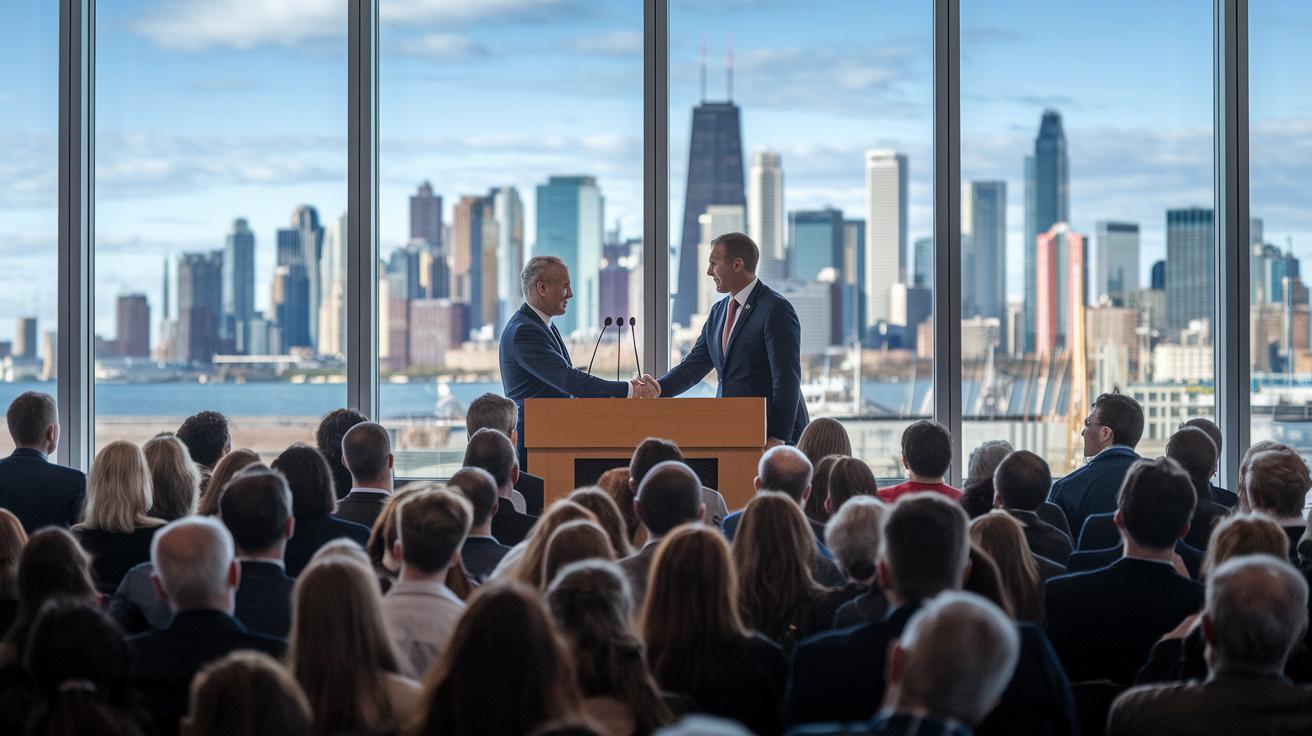
Polling data gives a clear look at the mayoral contest ahead. Early numbers show one candidate pulling ahead in several neighborhoods while key figures remain in close contention. Recent surveys point out that about 60% of voters in some areas lean toward a progressive approach even as traditional moderates hold steady in older parts of the city.
The City Council races are just as active. Several open seats and hotly contested district battles could shift local power. In many areas, candidates are clashing over practical policies on housing, public safety, and community outreach. These contests mix long-held local concerns with the challenges of today's governance.
Redistricting is another factor that could change the game. New district lines may shift how residents vote as they adjust to new boundaries. Plus, the buzz around the 2026 Congressional primaries could also shape campaign strategies here, mixing national trends with local decisions.
With campaign funds, grassroots support, and shifting demographics all at play, every vote matters. New Yorkers are keeping a close eye on these races, knowing that their choices today will help set the course for the city's future.
NYC Politics Governance Reforms: Legislative Actions and Policy Debates
City Council is rolling out a new Street Vendor Reform Package that raises license limits to help local sidewalk vendors. The plan has sparked debates as community members weigh economic chances against fair market play.
Legislators are also working to protect gig workers who risk sudden shutdowns. New rules are being set up to stop companies from cutting off drivers and delivery folks without warning. The goal is to provide clear guidelines that keep our workers safe.
In another development, city officials settled on a Medical Aid in Dying bill. This controversial measure could change end-of-life care, and local groups are weighing in on both its ethical and practical sides. It’s part of broader efforts to update policies that hit close to home.
Across town, Governor Hochul signed a bill to include more AANHPI history in school lessons. This decision is part of a wider push to diversify the public school curriculum with richer cultural stories.
Debates continue over proposals to ease short-term rental rules and introduce affordable housing measures. Supporters say these changes could help with the housing shortage, while critics worry about unintended side effects.
At a City Council hearing, FDNY officials challenged claims by Curtis Sliwa about battery-storage facilities. Sliwa compared the setups to a mini Chernobyl, but firefighters stressed that strict safety measures are in place to protect local communities.
NYC Political Media and Public Opinion: Influence of News and Online Platforms

New York's media scene mixes old-school newspapers with vibrant online spaces. Outlets like Bronx Times, Brooklyn Paper, Caribbean Life, and Dan's Papers cover city happenings closely. They help locals understand city policies. One local editor said, "Our coverage makes politics feel like a neighborhood conversation."
Social media now plays a big role in shaping campaign topics. Tweets and posts spark fast discussions that change how people see mayoral candidates and policy shifts. A community leader recently tweeted, "Online conversations can change the game as fast as a vote."
Podcasts add another layer to this conversation. Local hosts share interviews and insights that break down polling trends and City Council debates. Their friendly, clear style makes complex ideas easy to understand for everyone.
Together, print news and online discussions create a lively scene where public opinion is always shifting. This mix of planned reporting and spontaneous chat keeps the whole city talking.
NYC Political Engagement: Civic Programs, Grassroots Mobilization, and Activism
Protests and rallies remain a major force in city politics. Groups like Cabán and the Teamsters met at City Hall to demand better working conditions and fair policies. At Bronx SOMOS Day of Action, hundreds of neighbors took to the streets to push for more influence over city decisions. One organizer said, "This event shows how our collective voice can shape change, just like a single vote in a close race."
Immigrant-rights activists also filled the sidewalks, rallying behind the New York for All Act. They marched through local neighborhoods carrying signs that call for safer pathways to citizenship and better legal support for vulnerable communities.
Local schools and community centers have stepped in with civic education programs aimed at empowering young voters and residents. These programs feature neighborhood workshops and public forums that explain how local government works in simple terms. For example, one course starts with the surprising fact, "Did you know that a neighborhood meeting once changed local transit routes?" This approach helps keep everyone informed and engaged.
Grassroots outreach is also on the rise, with volunteers going door-to-door to raise voter awareness. At the same time, concerns are growing over the role of the Anti-Mamdani PAC in channeling campaign funds. This issue has sparked debates about how private money may be influencing local politics.
Final Words
In the action, NYC’s political scene keeps evolving with leadership changes, policy updates, and spirited community meetings. Recent congressional primaries, reforms and media insights reveal how nyc politics affect everyday life.
The breakdown of voter behavior and grassroots mobilization remind us that our voices matter.
Stay alert, be involved, and enjoy watching our city move forward together.
FAQ
What does NYC politics news cover?
NYC politics news covers current updates on local government decisions, election news, policy changes and community events that shape the city’s political landscape.
How is NYC politics discussed on Reddit?
NYC politics on Reddit features active community discussions, user posts and debate about local election updates, policy actions and news that affect neighborhoods.
Is New York more liberal or conservative?
New York generally leans liberal, especially in the city, though views can vary by area and reflect the diverse population’s opinions on policies.
What do New York City political party percentages show?
New York City political party percentages show strong Democratic support with a smaller share voting Republican, highlighting varied political leanings among residents.
What percent of New York City is Republican?
The percentage of Republicans in New York City remains low compared to Democrats, as the majority of voters align with liberal policies and urban priorities.
What do NYC political demographics reveal?
NYC political demographics reveal a mix of communities and voting patterns that reflect ethnic diversity, neighborhood interests and distinct local concerns.
Which politicians are visiting NYC today?
Politicians visiting NYC today attend events, community meetings and policy briefings that connect city leaders with local constituents and current political issues.