

NYC Affordable Housing: Who's Really Winning?
New rules say that 20% to 30% of new housing must be affordable. Yet in some parts of the city, builders can’t even add one unit. Recent reports show a mixed bag. A few districts see some progress, but others are barely moving.
Critics worry that busy streets and overtaxed local services could get even tougher. They fear that how these rules are put in place might make life harder for some neighborhoods, even while trying to help others.
Overview of NYC Affordable Housing Mandates and Neighborhood Impact
NYC has set rules for new projects in rezoned areas, requiring 20 to 30% of the new units to be affordable. These rules include programs like Mandatory Inclusionary Housing (MIH) and other statutory guidelines. The idea is to help with the citywide housing crisis while also meeting urban planning needs.
Recent data shows a mixed picture. Four City Council districts did not add a single affordable unit this year. Meanwhile, ten districts managed just seven units in the first six months. Even though the South Bronx led the way last year and over the past decade, the overall numbers remain uneven. Some critics say adding more housing density might expose already struggling neighborhoods to extra risks. They worry about crowded transit, strained emergency services, and higher flood risks at vulnerable spots.
This situation has raised tough questions about how to balance growth and safety. City officials and local leaders are now in discussions on how to build more affordable housing while protecting the health and well-being of every neighborhood.
Council District Production Disparities Under NYC Affordable Housing Mandates
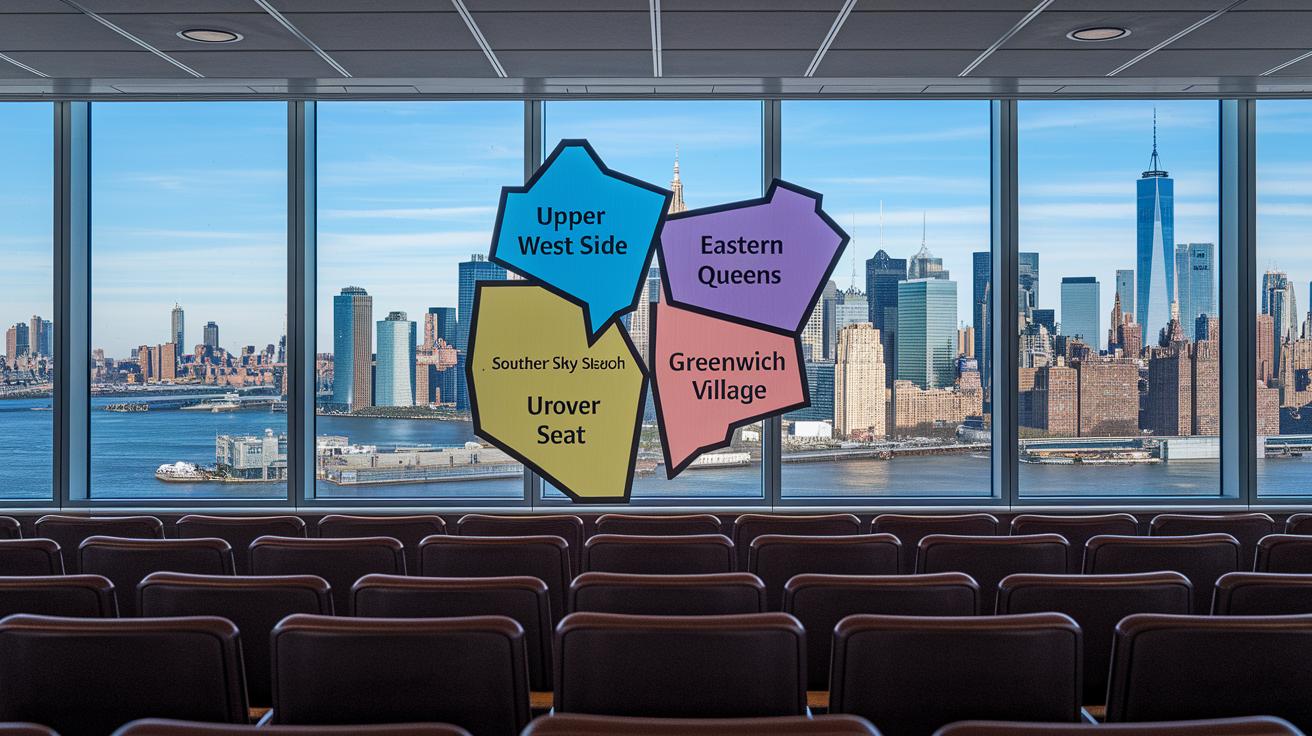
This year, four City Council districts have shown big differences in affordable housing production. Some districts added a few new units, while others did not add any at all. This gap makes us wonder how local factors shape these results.
The districts are:
- Upper West Side
- Eastern Queens
- Southern Brooklyn
- Greenwich Village/Lower East Side (vacant seat)
Local issues seem to be a big part of the story. In some places, fast rezoning helps push projects forward. In others, slow approval processes and community concerns hold things up. Some councilmembers focus on other issues rather than affordable housing, and local opposition can delay projects even more.
In one area, local leaders and developers may work closely, speeding up the process. In another, debates over zoning and the impact on the community can drag on. These differences show that a mix of geography, policy, and politics drives the varied outcomes in affordable housing production.
Mixed-Income Models Under NYC Affordable Housing Mandates
NYC’s MIH program saves 20% to 30% of new units for affordable housing, but most of the building is set for market-rate or higher-end homes. In many projects, developers choose luxury units to attract wealthy investors and foreign buyers. This leaves local residents with fewer cheaper options. Even though some affordable apartments are built, most of the space is for richer buyers. This makes people wonder if the city really meets its affordable housing goals when market forces push projects to be more upscale.
The affordable-to-market mix for MIH is broken down like this:
| Tier | Affordable | Market Rate |
|---|---|---|
| Tier 1 | 20% at 80% AMI | 80% market rate |
| Tier 2 | 25% at 80% AMI | 75% market rate |
| Tier 3 | 30% at 60% AMI | 70% market rate |
Critics say this model mostly benefits luxury housing. They feel it weakens the goal of neighborhood affordability by pushing investor interests over local needs.
City Charter Referendum and NYC Housing Mandates Reforms
A new referendum on the table would change our City Charter so that developers can skip the City Council when pushing forward housing projects deemed urgent. This idea is stirring up plenty of debate among neighbors and local officials.
Supporters say that cutting one review step might help get projects approved faster, easing the housing shortage many of us face. They point out that speeding up the process could mean new homes on blocks sooner rather than later.
But critics worry that taking the Council out of the loop undermines the community voice. They say that local oversight has long been a key check on development and that without it, developers might not be held to the same standards. There is also a heated discussion over whether public money should back political messages during this debate.
Potential Effects of Bypassing City Council
If the process speeds up, we might see construction projects wrapped up quicker and attract a different kind of investor. At the same time, removing the Council’s input could leave neighborhoods with less say in projects that change our streets. This means fewer chances for residents to share their concerns and help shape developments that meet real local needs.
Environmental and Health Risks from NYC Housing Mandate Densification
As more affordable units rise in our underserved neighborhoods, local services like buses, sewers, and emergency help are feeling the pressure. These areas already struggle with few resources, and the new buildup only makes it tougher for everyone.
Tighter living spaces also leave our communities at risk when heavy rains hit. Floods can disrupt hospitals, shelters, and other vital spots. Neighbors say they’re seeing more breathing problems and heat stress, which can worsen conditions like asthma.
This strain is reshaping our streets and shows why city planning needs to balance growth with the health and safety of our community.
- Transit overload
- Flood vulnerability
- Air-quality decline
Zoning Reforms Shaping NYC Affordable Housing Mandates

New plans are set to reshape our city's skyline while boosting the availability of affordable homes. One idea from NYU Schack ties extra building capacity to a 40% AMI target, which could deliver around 15% more affordable units in areas that need them most. Over in Tribeca, the rules now let buildings go taller, but developers must only include a 20% affordable share. Some critics say these changes give developers more design freedom but don’t do enough for social fairness in our neighborhoods.
Local leaders and community voices are now weighing these ideas against the old housing rules. They see that more building space might speed up construction, but what counts is whether the new homes are truly affordable for people in the community. With plans like the NYU Schack proposal promising a sizable boost in affordable units, many see a chance to better match city reforms with local needs. Yet, others warn that without strong oversight, new projects might lean toward market-rate or luxury options instead of easing costs for middle-income families.
| Proposal Name | Key Features | Affordability Impact |
|---|---|---|
| NYU Schack Overlay | Density bonuses, 40% AMI target | +15% units |
| Tribeca Rezoning | Taller buildings, 20% affordable minimum | +8% units |
| Citywide MIH | Mandatory 25%-30% affordable on all lots | +10% units |
Economic Impacts of NYC Affordable Housing Mandates
Luxury developments have pushed up rents by 5% over the last year in many parts of the city. In neighborhoods with affordable housing rules, market trends are shifting. Investors favor areas that have been rezoned for high-end returns, leaving smaller landlords to cope with tougher competition. Many locals believe that while these mandates aim to raise the number of affordable units, they actually drive up costs for regular renters. When money flows toward luxury projects, traditional housing for middle-income families gets shortchanged.
This trend has city dwellers worried as they search for apartments. Rising land values mean that even if new units are built, long-time residents face higher rents and stiff competition from big investors.
- Rent increases
- Land-value inflation
- Investor concentration
Equity Perspectives on NYC Affordable Housing Mandates in the South Bronx

Local leaders in the South Bronx have been pushing affordable housing projects for years. Councilmember Rafael Salamanca pointed out that our area led in building new housing units last year and over the past decade. He argues that if all 51 council districts stepped up their efforts, every neighborhood would share the load fairly.
Affordable housing here has eased the strain on local services, lowered rent pressures, and helped spark vibrant communities. Many residents believe that when every district contributes equally, it reduces the heavy burden on areas facing the most challenges. This push for shared responsibility is all about ensuring every New Yorker has a fair chance at safe shelter and a better quality of life.
Voices from the South Bronx
Councilmember Salamanca said, "Our community has always led the way, and all districts must bring their share to support New Yorkers everywhere."
Final Words
in the action, NYC affordable housing mandates and neighborhood impact touch every corner of our community. We tracked how affordable unit rules have mixed results across districts and stirred debates over density, health, and economic shifts. We also saw zoning tweaks spark change and local leaders calling for fairness. The city’s efforts bring challenges but also light the way for improvements that can make life safer and more connected. Positive change is steady when neighbors rally for smart, balanced policy adjustments.
FAQ
What are the recent NYC housing changes and new rules?
The recent NYC housing changes adjust mandates to reserve affordable units in new projects. These changes shape how many affordable, market-rate, and luxury units are built, affecting district-level outputs and local infrastructure.
How do NYC City Council housing bills affect legislation?
NYC City Council housing bills outline policies for affordable housing and guide project approvals. They set benchmarks for affordability and density, influencing how developers meet community needs while balancing local oversight.
What is Lincoln Restler’s Cool Homes for All legislation?
Lincoln Restler’s Cool Homes for All legislation aims to reform housing mandates to boost affordability. It seeks to create a fairer mix of housing types that meets local community needs and adjusts development intensity.
What is Introduction 276 in NYC?
Introduction 276 in NYC is a legislative proposal that adjusts housing regulations. It gives developers more flexibility on projects while ensuring community benefits and maintaining oversight on housing quality and safety.