

New rezoning rules for 56 downtown blocks in SoHo and NoHo are sparking debate. The plan would mix homes with shops and offices, creating up to 3,500 apartments, some of which would be affordable.
Some locals worry the changes might favor big business over community charm. The proposal aims to update old zoning rules and put much-needed housing on the map.
Many believe this smart update can support our neighborhood’s unique culture while spurring growth that benefits everyone.
A Clear Verdict on SoHo Rezoning Progress
A new rezoning plan for SoHo and NoHo is on the table. The October 2020 plan covers 56 downtown blocks and aims to add 3,000 to 3,500 homes. Out of these, 800 will be subsidized and 900 will remain permanently affordable under MIH. The plan updates old rules and cuts red tape, making it easier to mix housing with other uses in our neighborhood.
Some locals worry that the rules favor commercial projects. They point out that while homes can reach a FAR of 12, offices only get a FAR of 10 and don’t need to meet affordability standards. This might lead to more profit for offices than for housing. Still, many believe that keeping our cultural vibe while boosting the local economy is key.
I believe SoHo should push ahead with the rezoning. Despite some market concerns, the plan brings much-needed homes and modernizes local rules. Its mix of affordable housing and neighborhood upgrades is a step in the right direction for our community.
SoHo Rezoning Proposal: Key Features and Timeline

The city announced the rezoning plan in Oct. 2020 for 56 downtown blocks in the SoHo/NoHo area. This plan swaps old zoning rules for new mixed-use design that aims to update outdated practices. It mixes homes with businesses and sets rules to balance new development with the unique character of the neighborhood.
The Department of City Planning and City Council spent six months hosting a series of meetings under Envision Soho/Noho. Residents, developers, and local groups shared their ideas, and their feedback helped design the plan. Officials say the input from the community is a key guide for the new mixed-use rules and changes in regulation.
The plan also makes some important changes to local rules. For example, it removes the Artist In Residence law and updates rules for ground-floor retail. The Landmarks Preservation Commission now protects original glass sidewalks at historic streets. A 13-story mixed-use project at 277 Canal Street is the first project to be reviewed under the new rules, showing how the policy is moving forward.
There are a few cultural updates, too. A corner at Great Jones Street and Bowery has been renamed Jean-Michel Basquiat Way to honor the artist. And New York’s first nonprofit-run cannabis dispensary near Astor Place reflects fresh ideas for business in the area. These touches show that the plan wants to keep SoHo’s history while pushing for smart growth.
Housing Affordability and Residential Impact of SoHo Rezoning
The proposal will bring 3,000 to 3,500 new homes to SoHo, including 800 subsidized units and 900 that stay permanently affordable through MIH. Developers may see lower profit margins on these projects since the rules don’t apply to commercial ventures. With rising prices and more vacancies, these limits might slow down how fast new homes get built. Neighbors stress that the plan must offer plenty of housing without upsetting current residents.
A report from Envision urges that existing rent-regulated apartments be protected and tenant rights strengthened. Supporters say keeping long-time residents is key to preserving SoHo’s unique character. While the mandates might be tough for developers, MIH incentives give many hope that affordable options will continue to be available. The new measures try to balance making a profit with social responsibility so that everyone in SoHo benefits.
| Metric | Proposed Figure |
|---|---|
| Total New Homes | 3,000–3,500 |
| Subsidized Units | 800 |
| Permanently Affordable Units | 900 |
MIH incentives reward builders who put affordable living first rather than chasing pure commercial gains. These perks may help create a balanced outcome for SoHo.
Economic and Commercial Growth under SoHo Rezoning
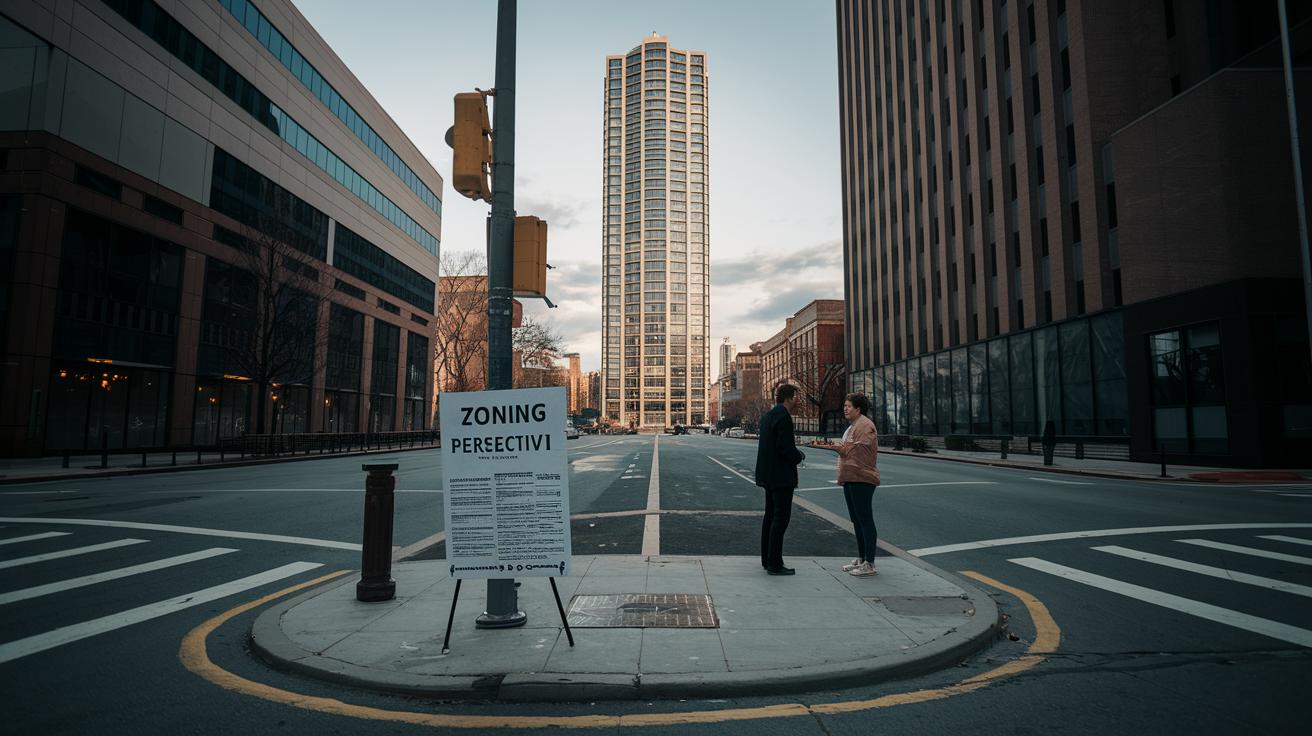
Changes in zoning are now part of broader talks on housing costs and city planning. Investors and developers are weighing in on what the rezoning means for local neighborhoods. For example, a 13-story plan at 277 Canal Street is under review by the Landmarks Preservation Commission. This project shows how market trends are shifting to mix housing needs with other community changes.
Office vs. Residential FAR Patterns
New floor-area rules allow up to 10 for commercial spaces and up to 12 for residential units. Office projects skip the affordable housing rules, which many investors say helps them turn a quicker profit. In simple terms, office developments hit their profit goals faster with fewer hurdles, a trend that is reshaping local investments.
Market and Developer Perspectives
Developers now balance easier permits and the chance to build denser with the need to include affordable housing in residential projects. Investors point out that commercial buildings tend to bring in better returns compared to housing that must meet affordable standards. These views merge into a bigger picture of how the rezoning is shifting market dynamics across the board.
Cultural Preservation and Community Voices on SoHo Rezoning
Recent Envision Soho/Noho meetings have shown that residents want to keep SoHo's mixed-use style and vibrant culture. Neighbors shared their stories and memories, stressing that preserving the area's history matters a lot to the community.
City officials have taken this input seriously. New rezoning plans now include changes that protect SoHo's familiar streets and historic feel. The updates reflect worries about losing the look and character that define the neighborhood.
Local artists and community groups continue to speak up. They support new development as long as it respects the unique style of SoHo. They are urging the city to make changes that do not harm the interests of long-time residents or the creative scene.
Final Words
In the action, the proposal aims to bring new housing, updated zoning rules, and a nod to local culture. The plan pits concerns over commercial versus residential builds, affordability rules, and community impact against a promise to correct old zoning practices.
Local voices have weighed in, presenting both challenges and benefits.
Should SoHo rezoning move forward, residents can look forward to a balanced change that blends growth with commitment to the neighborhood’s historic spirit.
FAQ
Q: What does the SoHo rezoning proposal aim to achieve?
A: The proposal aims to update zoning for 56 SoHo/NoHo blocks, adding 3,000–3,500 new homes with subsidized and permanently affordable units while modernizing mixed-use rules to meet current community needs.
Q: What is the timeline and process for the rezoning plan?
A: The plan was announced in October 2020 and includes a six-month public engagement led by the DCP and City Council, allowing residents to share their views on the proposed changes.
Q: How does the rezoning impact housing affordability in SoHo?
A: The rezoning delivers 3,000–3,500 new units, including 800 subsidized and 900 permanently affordable homes under MIH standards to support long-term resident housing needs.
Q: How do FAR adjustments affect office and residential capacity?
A: The proposal differentiates FAR patterns by permitting up to 10 for commercial use and up to 12 for residential, balancing profits with community goals and affordability mandates.
Q: What are the key economic and commercial impacts of the rezoning plan?
A: The rezoning opens new investment pathways by updating FAR allowances, attracting mixed-use developments like the 277 Canal Street project, which promise stronger returns for commercial ventures.
Q: How does the proposal protect SoHo’s cultural and historic character?
A: The plan retains local heritage by preserving landmarks like Basquiat Way and original glass sidewalks, while addressing community feedback to safeguard SoHo’s unique cultural fabric.